Supreme Court to Rule on Geofence Warrant Privacy
Tap title to read story
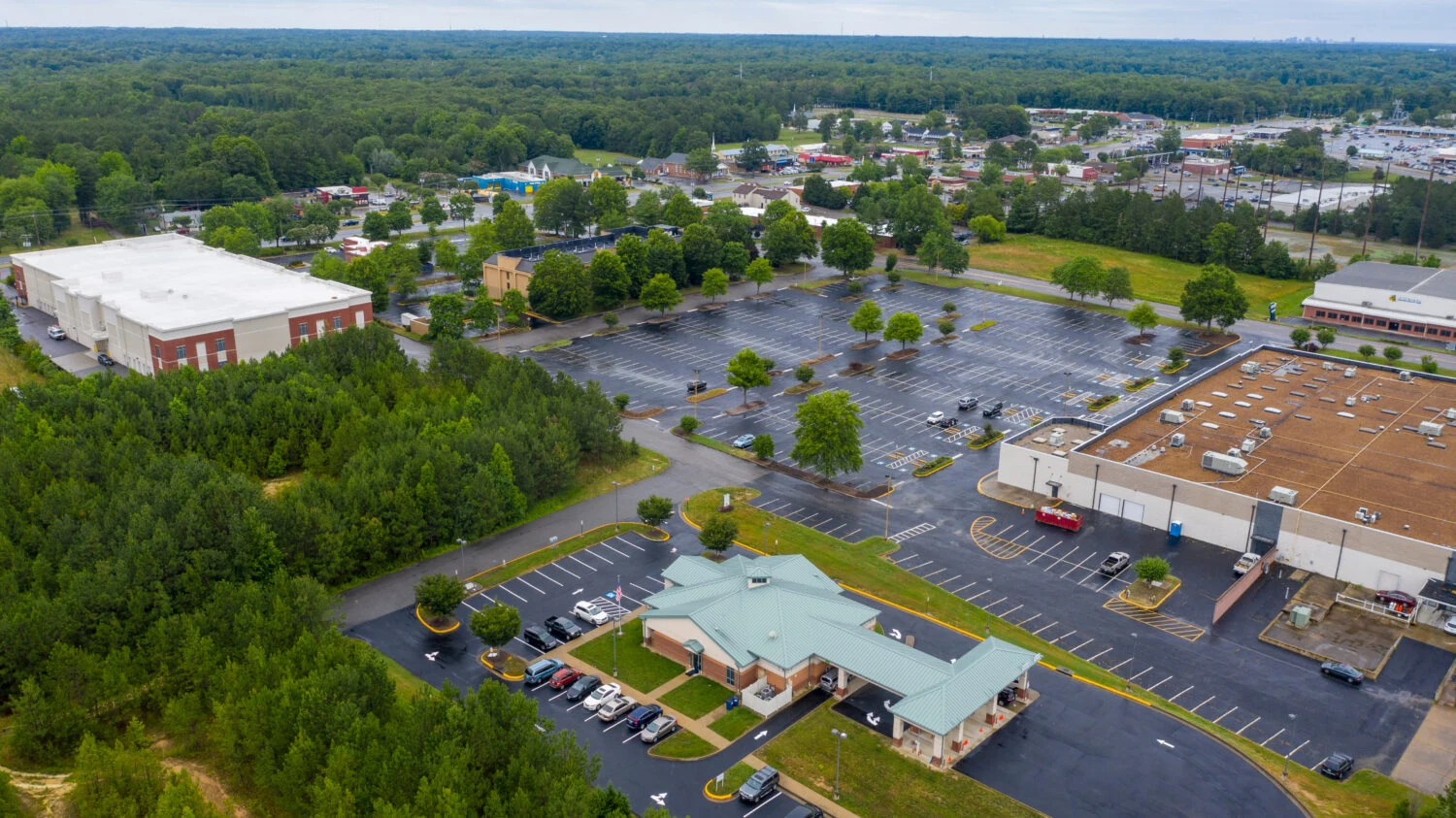
WASHINGTON — The Supreme Court will hear arguments this Monday over whether geofence warrants used to identify a suspect in a Virginia bank robbery violate the Fourth Amendment. Investigators used a geofence warrant served on Google after a May 2019 robbery in suburban Richmond to place Okello Chatrie’s cellphone near the scene, then obtained a search warrant.
The geofence data led to a home search that produced nearly $100,000 in cash; Chatrie pleaded guilty and was sentenced to nearly 12 years, and his appeal argues the geofence warrant was an unreasonable search. This case is being argued alongside a separate Bayer Roundup appeal, and the Court’s decision will shape standards for location-data warrants and evidentiary use.
Timeline
- 1. 1791: Fourth Amendment ratified establishing protection against unreasonable searches.
- 2. 2019 (May): A bank in suburban Richmond, Virginia, is robbed; roughly $195,000 reported stolen.
- 3. Investigators obtain a geofence warrant served on Google and identify a device linked to Okello Chatrie.
- 4. Police secure a search warrant for Chatrie's home, recover nearly $100,000 in cash, and Chatrie pleads guilty and is sentenced to nearly 12 years.
- 5. This week (Monday): The U.S. Supreme Court will hear arguments on whether geofence warrants violate the Fourth Amendment.