المحكمة العليا تنظر في أمر تحديد الموقع الجغرافي في قضية سرقة بنك
Tap title to read story
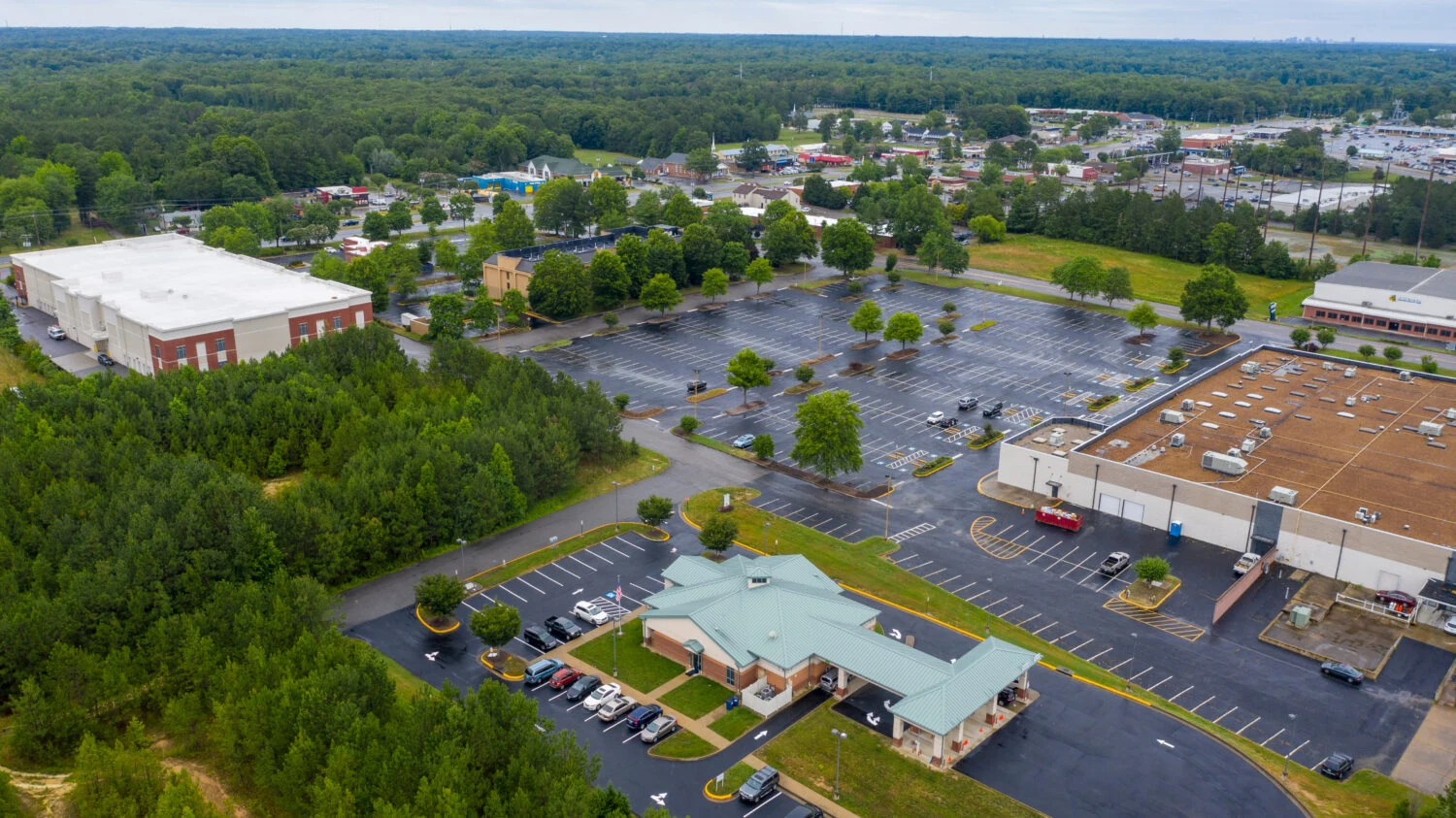
واشنطن - ستستمع المحكمة العليا يوم الاثنين المقبل إلى حجج حول ما إذا كانت أوامر تحديد الموقع الجغرافي المستخدمة لتحديد مشتبه به في سرقة بنك في فيرجينيا تنتهك التعديل الرابع. استخدم المحققون أمر تحديد الموقع الجغرافي الذي تم تقديمه إلى جوجل بعد سرقة في ضواحي ريتشموند في مايو 2019 لتحديد موقع هاتف أوكيلو تشاتري الخلوي بالقرب من مسرح الجريمة، ثم حصلوا على أمر تفتيش.
أدت بيانات تحديد الموقع الجغرافي إلى تفتيش منزل أسفر عن ضبط ما يقرب من 100 ألف دولار نقدًا؛ واعترف تشاتري بالذنب وحُكم عليه بالسجن لمدة 12 عامًا تقريبًا، وتجادل استئنافه بأن أمر تحديد الموقع الجغرافي كان تفتيشًا غير معقول. يتم مناقشة هذه القضية جنبًا إلى جنب مع استئناف منفصل يتعلق بـ باير راوند أب، وسيحدد قرار المحكمة معايير أوامر بيانات الموقع واستخدام الأدلة.
Timeline
- 1. 1791: التصديق على التعديل الرابع الذي يؤسس الحماية ضد التفتيش غير المعقول.
- 2. 2019 (مايو): تمت سرقة بنك في ضواحي ريتشموند بولاية فيرجينيا؛ تم الإبلاغ عن سرقة حوالي 195,000 دولار.
- 3. يحصل المحققون على أمر تسييج جغرافي تم تقديمه إلى جوجل وتحديد جهاز مرتبط بأوكيلو شاتري.
- 4. تؤمن الشرطة على أمر تفتيش لمنزل شاتري، وتستعيد ما يقرب من 100,000 دولار نقدًا، ويعترف شاتري بالذنب ويحكم عليه بالسجن لمدة 12 عامًا تقريبًا.
- 5. هذا الأسبوع (الاثنين): ستستمع المحكمة العليا الأمريكية إلى حجج حول ما إذا كانت أوامر التسييج الجغرافي تنتهك التعديل الرابع.