最高法院审理地理围栏搜查令是否侵犯第四修正案
Tap title to read story
0:00 / 0:54
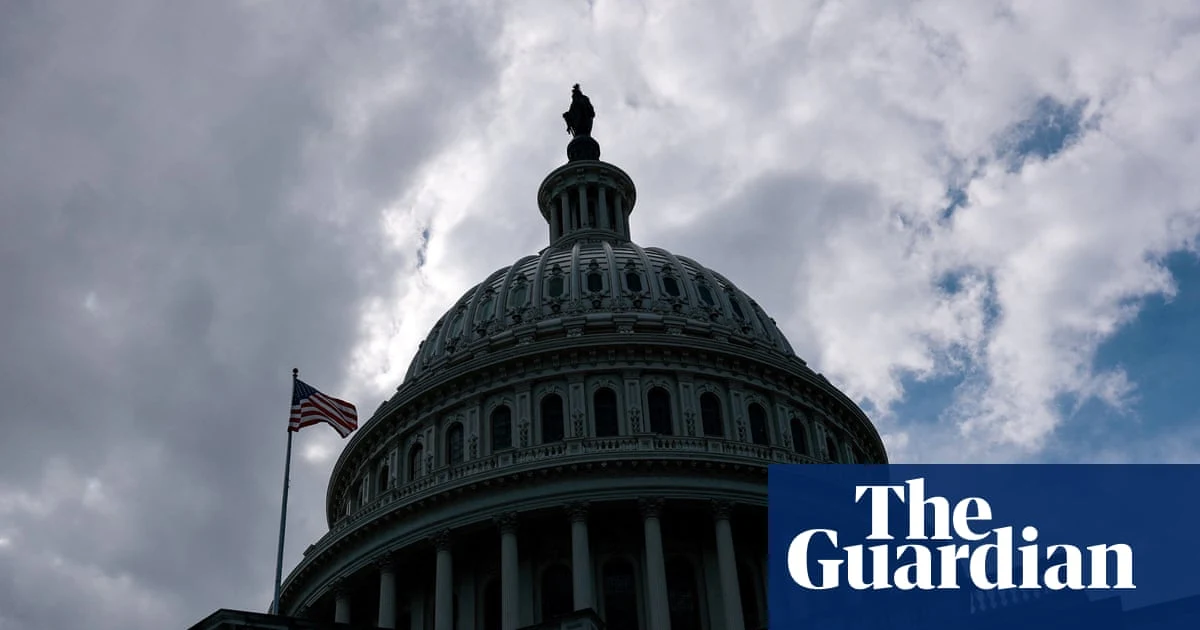
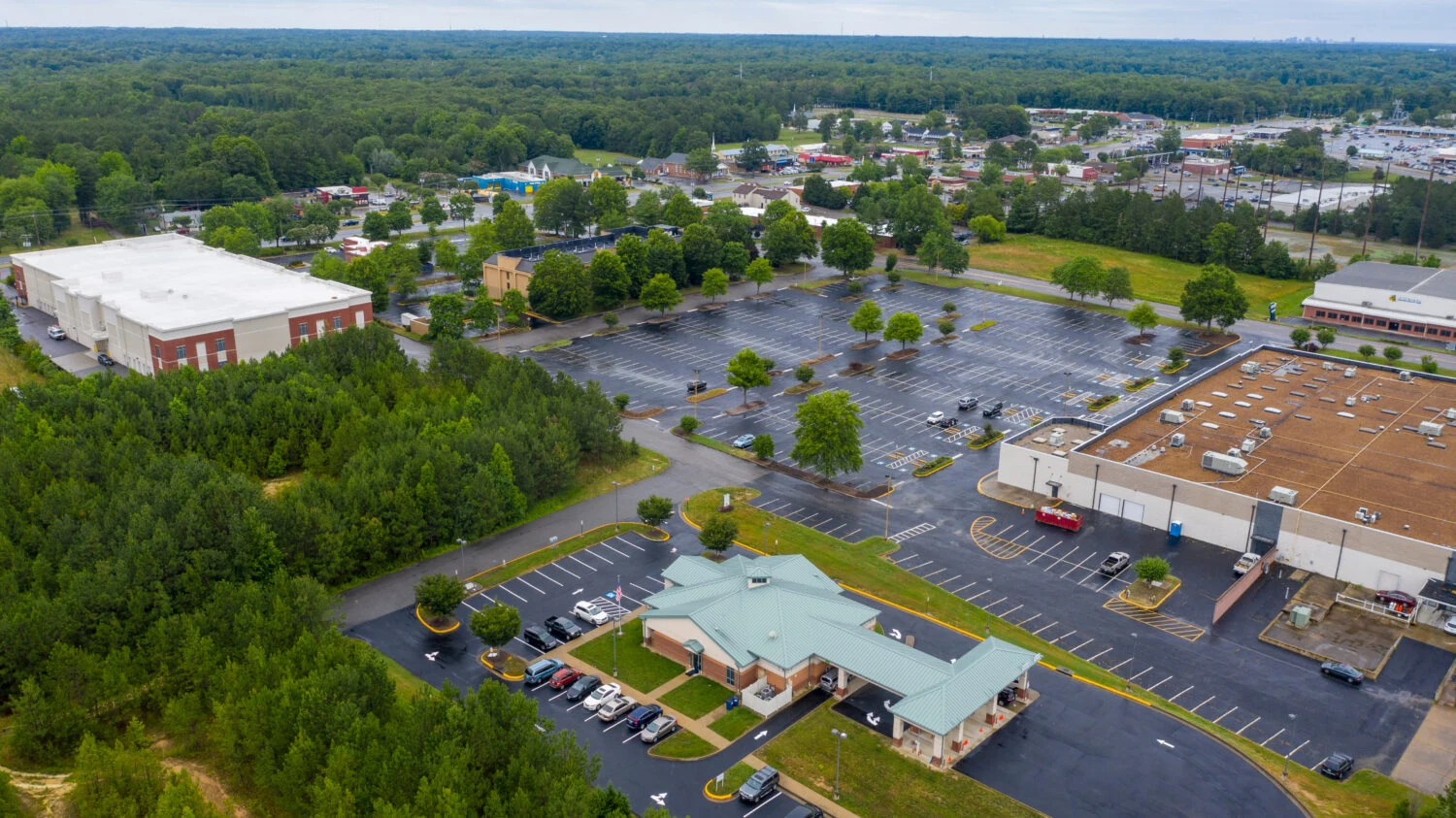
华盛顿——最高法院将于本周一就用于识别弗吉尼亚州银行抢劫案嫌疑人的地理围栏搜查令是否侵犯了第四修正案进行辩论。2019年5月,在里士满郊区发生一起抢劫案后,调查人员向谷歌发出地理围栏搜查令,以确定嫌疑人 Okello Chatrie 的手机是否在案发现场附近,随后又获得了搜查令。地理围栏数据导致了搜查,搜查中发现了近10万美元的现金;Chatrie 承认有罪并被判处近12年监禁,他的上诉认为地理围栏搜查令属于不合理的搜查。此案将与另一项独立的拜耳 Roundup 上诉案一同审理,法院的裁决将塑造定位数据搜查令的适用标准和证据的使用。
Timeline
- 1. 1791年:《第四修正案》获得批准,确立了对不合理搜查的保护。
- 2. 2019年(5月):弗吉尼亚州里士满郊区的一家银行被抢劫,据报被盗约19.5万美元。
- 3. 调查人员获得了一份针对谷歌的地理围栏搜查令,并确定了一个与Okello Chatrie相关的设备。
- 4. 警方获得了搜查Chatrie住宅的搜查令,追回了近10万美元现金,Chatrie认罪并被判处近12年监禁。
- 5. 本周(周一):美国最高法院将就地理围栏搜查令是否违反《第四修正案》听取辩论。