EU lawmakers move to scrap carbon border levy's emergency brake
PUBLISHED Sep 15, 2026, 12:55 PM ET
Read, Watch or Listen
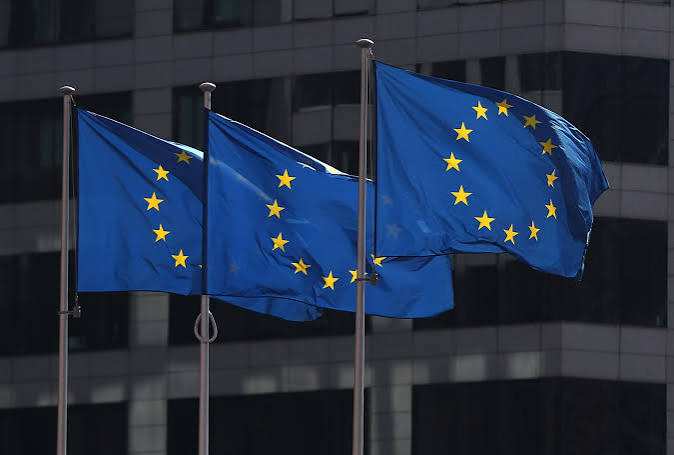
European Union lawmakers voted on Tuesday to delete an emergency brake clause from the EU Carbon Border Adjustment Mechanism (CBAM). The proposed clause would have allowed temporary exemptions if unforeseen circumstances triggered severe price increases for imported goods. Instead of temporarily suspending carbon tariffs during price spikes, lawmakers proposed using generated border fee revenues to compensate affected industries. The vote sets up negotiations with EU member countries that favor retaining the safety valve to cap product price jumps exceeding 50 percent over six months. Lawmakers also voted to expand the scope of the carbon tariff to include downstream products like automotive components and washing machines. To close anti-evasion loopholes, Parliament lowered the threshold for aluminum shipments from 50 metric tons to 5 metric tons and extended the tariff to post-consumer aluminum scrap. The final CBAM regulatory text remains subject to upcoming trilogue negotiations between the European Parliament, Commission, and member states.
By Sidra | JQJO News
Timeline of Events
- July 14 2021 — On July 14 2021 European Commission proposed Carbon Border Adjustment Mechanism climate legislation.
- March 15 2022 — On March 15 2022 EU member states agreed on preliminary carbon border levy approach.
- December 13 2022 — On December 13 2022 EU negotiators reached political agreement on carbon tariff rules.
- May 10 2023 — On May 10 2023 EU formally adopted Carbon Border Adjustment Mechanism regulation framework.
- October 1 2023 — On October 1 2023 CBAM transitional reporting phase officially entered into initial operation.
- January 1 2026 — On January 1 2026 CBAM financial tariff obligations formally entered into active force.
- September 15 2026 — On September 15 2026 European Parliament voted to delete emergency brake exemption clause.
- September 15 2026 — On September 15 2026 Lawmakers voted to extend carbon fees to post-consumer scrap.
- October 1 2026 — On October 1 2026 EU trilogue negotiations between Parliament and members will proceed.
- January 1 2027 — On January 1 2027 Full definitive CBAM operational enforcement period is scheduled to commence.
News Intelligence
- Immediate US impact: US exporters face stricter EU carbon tariff rules without price-spike relief.
- Possible long-term US impact: High US industrial carbon compliance costs could incentivize domestic decarbonization policies.
- Most affected groups: US steel, aluminum, fertilizer manufacturers, auto parts exporters, and international trade groups.
- Reader priority: Track European Parliament trilogue negotiations regarding final emergency brake compromises.
- Articles Published:
- 5
- Right Leaning:
- 0
- Left Leaning:
- 0
- Neutral:
- 5
- Distribution:
- Left 0%, Center 100%, Right 0%
Left: Focuses on closing corporate pollution loopholes and enforcing strict climate accountability. Center: Highlights legislative dispute between Parliament and member states over economic trade protection. Right: Emphasizes potential inflationary costs for industrial supply chains and regulatory burdens on trade.
European Parliament plenary vote deleting CBAM emergency brake clause on September 15 2026 https://www.europarl.europa.eu/news/en
Coverage of Story:
From Left
No left-leaning sources found for this story.
From Center
EU lawmakers move to scrap carbon border levy emergency brake
Reuters Financial Times Politico Europe Bloomberg EuractivFrom Right
No right-leaning sources found for this story.







Comments