Flesh-Eating Parasite Makes Terrifying Comeback in U.S.
PUBLISHED Sep 15, 2026, 1:16 PM ET
Read, Watch or Listen
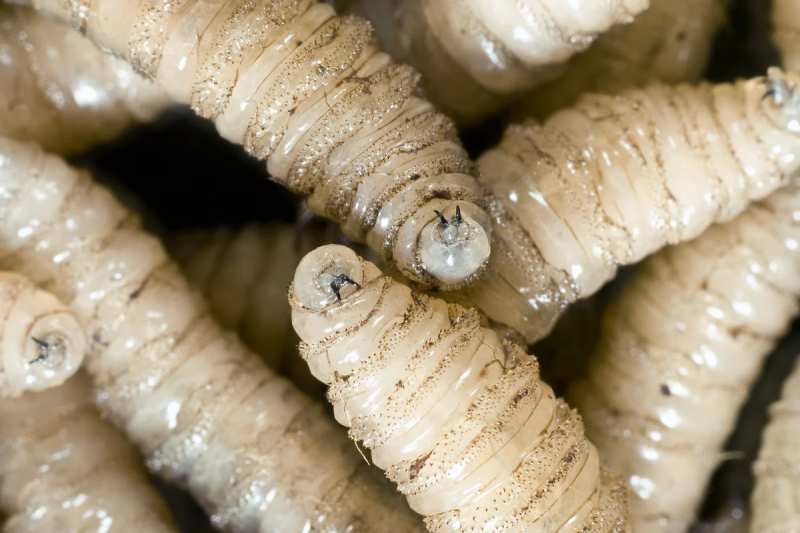
The New World screwworm, a flesh eating parasitic fly larva previously eradicated from the United States six decades ago, has returned and is actively spreading across the American Southwest. Federal and state agricultural authorities confirmed forty nine cases in domestic animals across Texas and New Mexico. The ongoing outbreak recently expanded to include the first confirmed United States equine case in decades, detected in a working ranch horse in Presidio County, Texas. Additional cases have been documented across cattle, sheep, goats, and domestic dogs. Unlike common blowfly maggots that feed exclusively on decaying matter, female screwworm flies deposit eggs along open wounds of warm blooded hosts. Larvae burrow aggressively into living tissue, causing severe destruction and potential fatality within weeks. Researchers at the University of California San Diego deployed a predictive tracking system to forecast future spread, while agencies scale up sterile insect releases to suppress wild insect population growth.
By Shahbaz A. | JQJO News
Timeline of Events
- On January 1 1960 federal agricultural authorities officially declared the destructive parasite eradicated nationwide.
- On September 1 2025 initial reports indicated suspicious maggot activity near the southern border region.
- On August 10 2026 state inspectors identified the first cluster of unusual livestock tissue damage.
- On September 1 2026 laboratory tests confirmed active screwworm presence across several regional farms.
- On September 10 2026 total confirmed domestic animal cases reached forty nine across two states.
- On September 14 2026 researchers at university of california san diego deployed tracking systems.
- On September 15 2026 veterinarians confirmed the first working ranch horse equine infection recently.
- On September 15 2026 federal agricultural agencies initiated emergency discussions regarding north american spread.
- On September 15 2026 state health departments issued urgent inspection advisories for regional livestock.
- On September 16 2026 researchers expect increased deployment of sterile insect releases across regions.
News Intelligence
- Immediate US impact: Regional livestock face severe tissue damage risk and economic losses.
- Possible long-term US impact: National agricultural markets face prolonged quarantine measures and trade restrictions.
- Most affected groups: Ranchers, livestock farmers, veterinarians, and agricultural workers in southern states.
- Reader priority: Monitor official agricultural department warnings and inspect domestic animals daily.
- Articles Published:
- 24
- Right Leaning:
- 2
- Left Leaning:
- 6
- Neutral:
- 16
- Distribution:
- Left 25%, Center 67%, Right 8%
Left: Focus heavily on environmental factors, regulatory oversight, and public health. Center: Report factual case counts, government statements, and scientific tracking updates. Right: Emphasize economic impacts on ranchers, border security, and agricultural costs.
On September 15, 2026, researchers published new screwworm resurgence data. https://www.sciencedaily.com/releases/2026/09/260914102439.htm
Coverage of Story:
From Left
Return of the screwworm forces emergency response in Southwest
New York Times Washington Post National Public Radio NBC News HuffPost NPR StateImpactFrom Center
New World Screwworm Makes Comeback in US Southwest
ScienceDaily Reuters Associated Press Wall Street Journal Bloomberg USA Today Politico The Hill Forbes Newsweek Time Axios AgWeb Drovers Farm Journal EquiManagementFrom Right
Flesh-eating parasite outbreak raises questions on border biosecurity
The Daily Caller Daily Mail






Comments