Severe Storms and Heavy Rains Threaten Central U.S. from Great Plains to Great Lakes
PUBLISHED Sep 15, 2026, 5:22 AM ET
Read, Watch or Listen
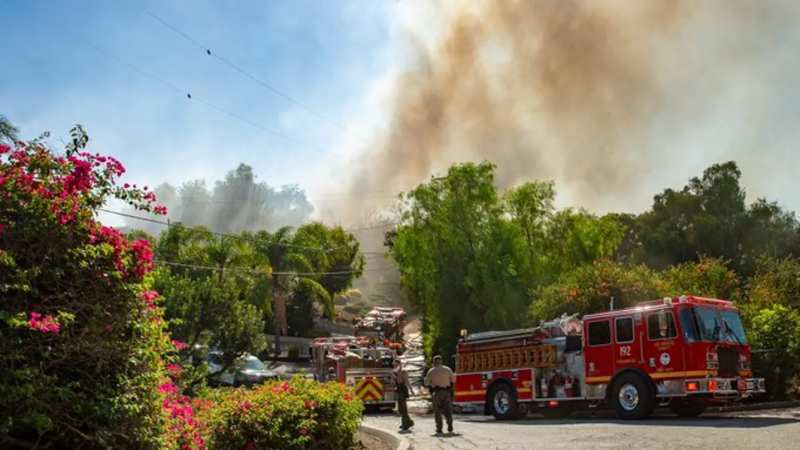
A powerful storm system advanced across the central United States on Tuesday, bringing torrential rainfall, localized flash flooding, and strong wind gusts from the Great Plains to the Great Lakes. Meteorologists warned that the severe atmospheric setup would produce intense rainfall totals across heavily populated regions and major transportation corridors. The active weather zone expanded eastward, placing metropolitan areas including Chicago, Kansas City, and Milwaukee under heightened alerts for sudden downpours. Emergency management agencies urged residents to secure outdoor property and avoid driving through flooded roadways as standing water disrupted regional commutes. Utility providers actively monitored electrical grids for potential storm-related outages across the Mississippi Valley. Forecasters noted that individual severe cells carried risks of sudden wind gusts and small hail. State emergency services remained mobilized to respond to urban flooding incidents while storm fronts progressed steadily toward the eastern industrial zones through late Tuesday evening local time updates today.
By Shahbaz A. | JQJO News
Timeline of Events
- On May 12 2026 forecasters monitored early spring storm system patterns.
- On June 25 2026 severe weather alerts covered midwestern agricultural sectors.
- On July 18 2026 heavy rainfall caused widespread urban street flooding.
- On August 04 2026 atmospheric instability triggered multiple regional thunderstorm advisories.
- On August 29 2026 emergency management teams reviewed flood preparedness protocols.
- On September 08 2026 meteorologists tracked developing low-pressure fronts across plains.
- On September 13 2026 heavy downpours initiated flash flood warnings statewide.
- On September 15 2026 powerful storm systems threatened central United States.
- On September 16 2026 utility crews repaired damaged electrical infrastructure lines.
- On September 18 2026 meteorologists expect clearing skies across eastern corridors.
News Intelligence
- Immediate US impact: Flash floods disrupt transportation and regional electrical grids across Midwest.
- Possible long-term US impact: Repeated severe weather events strain municipal disaster response infrastructure funding.
- Most affected groups: Commuters, residents, local businesses, utility workers, and municipal emergency responders.
- Reader priority: Monitor local weather alerts and avoid driving on flooded roadways.
- Articles Published:
- 28
- Right Leaning:
- 2
- Left Leaning:
- 5
- Neutral:
- 21
- Distribution:
- Left 18%, Center 75%, Right 7%
Left: Highlights climate change intensification and rising urban infrastructure flood risks. Center: Reports meteorological forecasts, storm tracks, and emergency flood safety warnings. Right: Focuses on local emergency response readiness and economic disruption costs.
September 15 2026 Accuweather reported severe storms across central US. https://www.cronista.com/en/today/a-historic-deluge-is-approaching-this-tuesday-september-15-storms-rain-and-strong-wind-gusts-in-the-central-part-of-the-country/
Coverage of Story:
From Left
Powerful Storms Bring Flash Floods Across the Midwest
The New York Times The Washington Post NBC News NPR Time MagazineFrom Center
Severe Storms Sweep Across Central United States
Associated Press Reuters Bloomberg AccuWeather Politico The Hill Axios USA Today Chicago Tribune Kansas City Star Milwaukee Journal Sentinel St. Louis Post-Dispatch Detroit News Minneapolis Star Tribune Cleveland Plain Dealer Indianapolis Star Cincinnati Enquirer Pittsburgh Post-Gazette Newsweek Forbes Bloomberg LawFrom Right
Severe Weather Disrupts Transportation Across Mississippi Valley
Wall Street Journal Daily Caller





Comments