ENVIRONMENT
纺织工业废水被发现剧毒
▪
Read, Watch or Listen
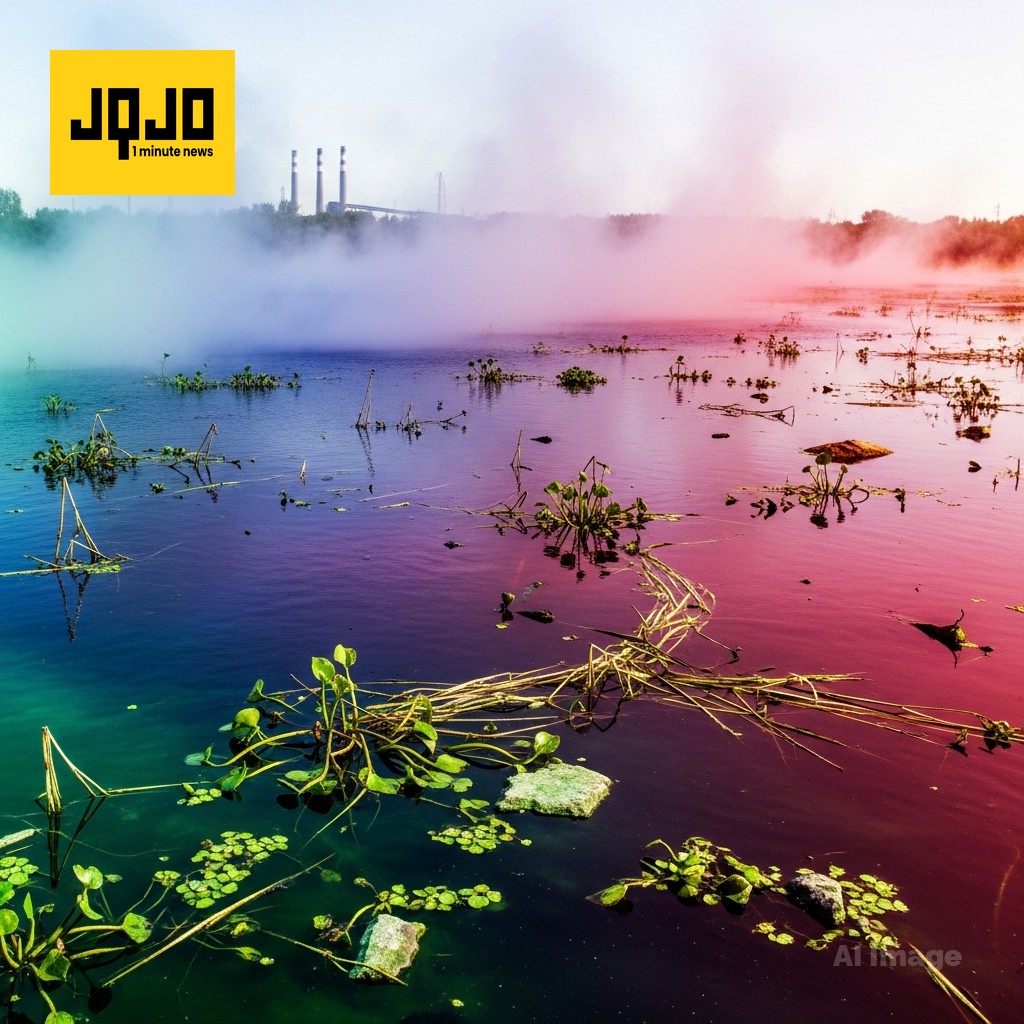
马萨诸塞大学阿默斯特分校的研究人员报告称,纺织工业废水的电化学处理会产生危险水平的有毒副产物。在一项今天发表的研究中,该团队发现,在氯化物存在下(通常添加食盐以提高导电性),用电化学电极处理常见的偶氮染料会产生数千亿分之一的氯仿和溴仿。这些浓度达到了饮用水或淋浴中允许人类接触限值的约三倍,并且当染料中存在溴时,则超过了美国环保署对三卤甲烷的监管限值的十倍以上。作者建议使用硫酸钠等替代盐,尽管效率较低。
Prepared by Olivia Bennett and reviewed by editorial team.
Timeline of Events
- 今日,麻省大学阿默斯特分校的研究人员发表了研究报告
- 今日,电化学染料处理工艺得到评估
- 今日,检测到高浓度的氯仿和溴仿
- 今日,浓度超饮用水暴露限值
- 今日,三卤甲烷超出美国环保署监管阈值
- 今日,纺织废料影响下游水生生态系统
- 今日,研究人员提议使用硫酸钠作为替代品
- 今日,注意到替代品的工业效率问题
Why This Matters to You
您的衣物可能正在污染水源。纺织业常使用偶氮染料,在处理过程中会产生有毒副产物。这些毒素最终可能进入我们的饮用水和淋浴用水。做一名知情的消费者——了解您喜爱的品牌是否致力于可持续实践。
The Bottom Line
纺织业需要改头换面。研究人员建议在处理过程中使用硫酸钠代替食盐。它的效率较低,但对我们和环境来说更安全。如果您关心清洁用水,值得转发。
Coverage of Story:
From Left
No left-leaning sources found for this story.
From Right
No right-leaning sources found for this story.






Comments