BUSINESS
马斯克和奥特曼的法律团队在 OpenAI 诉讼案中向陪审团做最后陈述
▪
Read, Watch or Listen
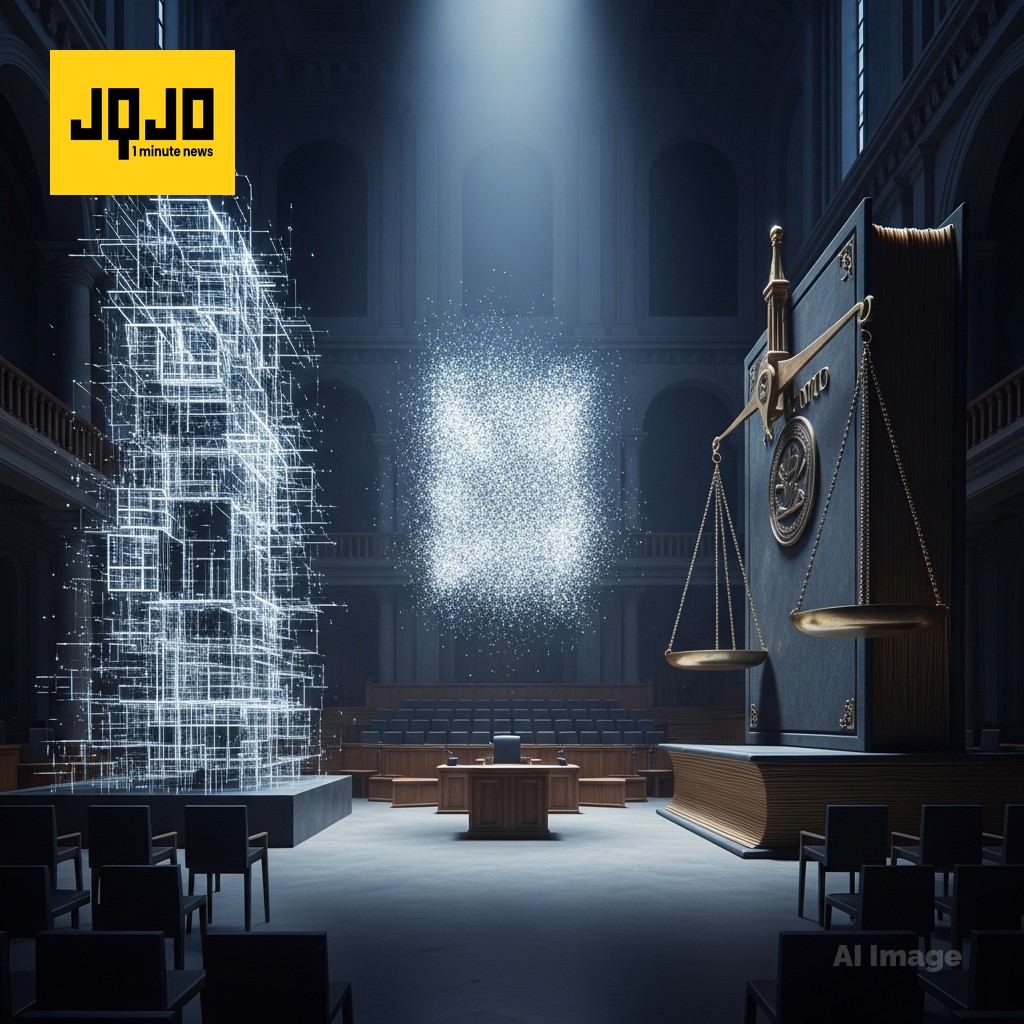
华盛顿,美国 – 在备受瞩目的人工智能公司 OpenAI 的未来联邦法院案件中,代表埃隆·马斯克和萨姆·奥特曼的律师团队在一场高风险的对决中进行了结案陈词。马斯克的律师辩称,OpenAI 从一个纯粹的非营利研究实验室转变为营利性结构,违背了对原有使命和捐助者的信托义务,并对奥特曼监督此次转变的可靠性表示怀疑。他们告诉陪审员,在马斯克看来,转向商业模式标志着该公司背离了其成立之初为公众利益而非私人牟利而开发人工智能的承诺。 OpenAI 的辩护团队反驳称,马斯克的财务捐款没有正式限制,并且他完全知晓甚至有时支持采用营利性框架以获得先进人工智能研究所需的大规模资金的想法。他们辩称,该公司在改变其结构时是合法行事的,并且尽管公司形式发生了变化,其领导层仍然优先考虑 OpenAI 的既定使命。在双方陈述了最后论点后,法官就相关法律标准向陪审团作出指示,陪审团现在预计将开始审议本案中提出的诉讼请求和抗辩。
Prepared by Christopher Adams and reviewed by editorial team.
Timeline of Events
- 今年早些时候,马斯克提起诉讼,挑战 OpenAI 的治理转变
- 今年早些时候,法院接受了信托责任诉讼
- 近几周,双方在联邦法院进行证据开示
- 上周,证人就 OpenAI 重组决定作证
- 昨天,律师向陪审团提交证据摘要
- 今天,双方进行最终的总结陈词
- 今天,法官就法律标准向陪审团进行指导
- 很快,陪审团将开始就 OpenAI 案进行审议
Why This Matters to You
OpenAI的纠纷可能会塑造人工智能的未来研究。如果马斯克获胜,可能会促使其他人工智能组织保持非营利性质。如果OpenAI获胜,可能会有更多组织为了资金而转向营利。对于任何关心人工智能在社会中作用的人来说,这都是件大事。
The Bottom Line
陪审团的决定将为人工智能研究治理树立先例。请关注判决结果。它可能会影响人工智能的惠益如何分配——是公共利益还是私人收益。如果你认识对人工智能感兴趣的人,值得转发。
Coverage of Story:
From Left
No left-leaning sources found for this story.
From Right
No right-leaning sources found for this story.





Comments