I'm a professional baker who attended pastry school in France. Here are 7 tips for making the best pies.
Tap title to read story
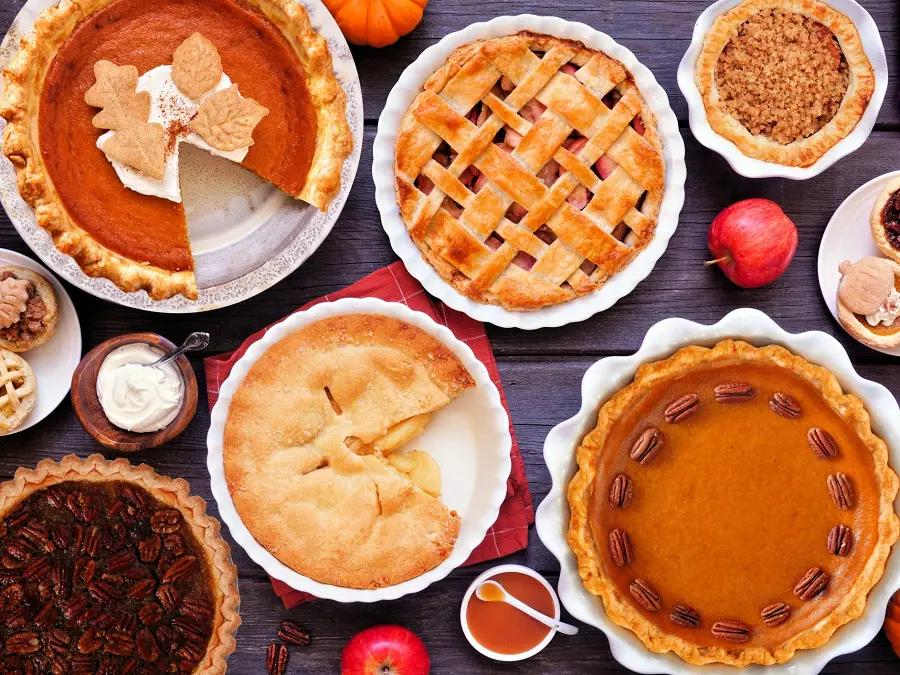
As a professional baker who attended pastry school, I've learned which techniques help create the best pies. jenifoto/Getty Images After attending pastry school in France, I've learned the secrets to making the best pies. I've found that using the coldest butter possible for the dough creates the flakiest crust. For busy baking seasons, I assemble and freeze fruit pies, so they're ready to bake weeks later. I'm a full-time baker who attended pastry school in France and worked in several bakeries in New York City. Pies are one of my favorite desserts to make for family and friends, no matter the occasion. Although they can seem intimidating, achieving a perfectly flaky crust and delicious filling comes down to a few simple techniques. Here are seven tips for making the best pies. For a flaky pie crust, I keep my butter cold. Allison Chen One of the most important things about making pie dough is keeping the butter as cold as possible. When the dough bakes, the water in the butter turns into steam, separating the crust into flaky layers. But if the butter melts at all before going into the oven, you won't get the same light, crisp texture. To ensure my crust is perfectly flaky, I always use cold butter straight from the fridge and try to work quickly when incorporating it into the flour. Instead of using my palms to break up the butter, I like to use my fingertips, since they conduct less heat. Luckily, the butter doesn't need to be fully mixed into the crust, since any visible chunks will turn into crispy flakes in the oven. I always chill the dough to prevent the crust from shrinking. 2GreenEyes/iStock One of the most common pie-baking problems is crust shrinkage, which can occur when overworked dough develops excessive gluten and contracts in the oven. To prevent this, I never stretch the dough to fit it into a pan. Instead, I lift it and let it settle into the corners — and if it isn't large enough, I gently roll it out a little. Additionally, I always refrigerate my pie dough after placing it in the pan, since that allows the gluten to relax while the butter firms up. Blind baking the crust helps avoid a soggy bottom. Allison Chen For pies with particularly wet fillings, like custard or pumpkin, I like to blind bake, or partially bake, the crust before adding the filling. This process gives the bottom of the crust a head start in the oven so it has time to develop structure and crisp up before coming into contact with the filling. Once the dough is in the pan, I line it with parchment paper and fill it with weights like dried beans or rice — since those keep the crust from puffing up or slumping as it bakes. After the edges have set, I remove the weights and continue baking the crust until the bottom begins to dry out and lightly brown. From there, the filling can be added to the partially baked crust and returned to the oven, following the recipe's instructions. I taste the fruit to help determine how much sugar to add to the filling. Alexandr Kolesnikov/Getty Images The key to a delicious pie is to taste the fruit before making the filling, so that I can adjust the amount of sugar accordingly. The sweetness of fruit can vary significantly depending on its variety, ripeness, and season. For example, a tart Granny Smith apple will need more sugar than many red apple varieties. If a fruit is particularly sweet, I like to reduce the sugar in the filling and add a squeeze of lemon juice . The acidity helps balance the sugar and brings out the fruit's natural flavor. Aluminum foil keeps the crust from burning. AnnaStills/iStock One of the challenges of baking a pie is making sure the crust and filling finish cooking at the same time. The edges of a pie crust are thinner and more exposed to the oven's heat, which means they often brown much faster than the rest of the dessert. If the edges of the crust get too dark before the pie is finished, I like to cover them with strips of aluminum foil , since that shields them from the ov
More context
Timeline
- 2026-11-18 — I'm a professional baker who attended pastry school in France. Here are 7 tips for making the best pies.
Why it matters
Immediate US impact: U.S. readers following Business news get a clear update on: I'm a professional baker who attended pastry school in France. Here are 7 tips for making the best pies.. Possible long-term US impact: Shapes near-term follow-up coverage and reader understanding of how this story may develop. Most affected groups: General news audiences, people directly named in the reporting, and readers tracking this beat. Reader priority: High for readers already following this storyline; moderate for a general U.S. audience.
Coverage notes
Center: Coverage from NewsRSS/Business Insider frames this as a developing news story: I'm a professional baker who attended pastry school in France. Here are 7 tips for making the best pies.. Reporting emphasizes verified facts, named sources, and near-term impact for readers. Left: Left-leaning desks covering the same development typically emphasize public impact, institutional accountability, and who is most affected. Right: Right-leaning desks covering the same development typically emphasize practical outcomes, market or security stakes, and institutional response.
Primary report
NewsRSS/Business Insider — I'm a professional baker who attended pastry school in France. Here are 7 tips for making the best pies.
Sources
JQJO Editorial Desk · Human reviewed · AI assisted. Report a correction.