Wildlife Populations Have Plunged Globally, But Some Buck the Trend
PUBLISHED Oct 9, 2026, 6:57 AM ET
Read, Watch or Listen
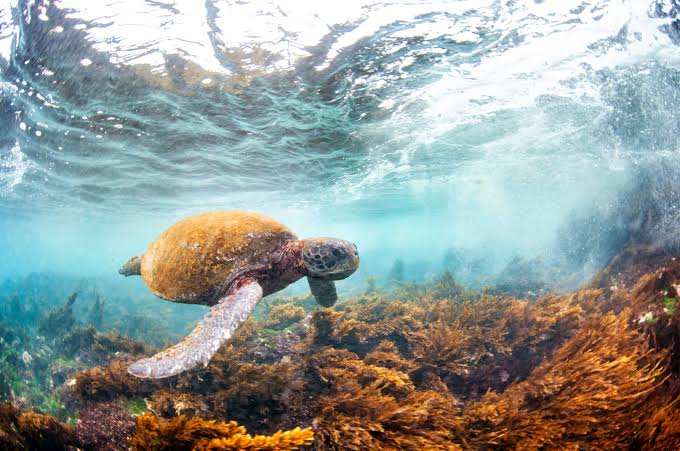
Monitored vertebrate populations worldwide plummeted by an average of seventy three percent between nineteen seventy and twenty twenty two, according to the World Wide Fund for Nature Living Planet Report. Freshwater species suffered the most severe decline, dropping eighty five percent due to pollution and habitat fragmentation. Latin America and the Caribbean experienced the steepest regional reduction at ninety five percent. Despite the widespread global crisis, targeted conservation initiatives have successfully reversed declines for specific animals. Global tiger populations increased significantly, and Atlantic bluefin tuna rebounded following stricter international fishing regulations. Conservationists emphasize that localized species protection remains insufficient without structural transformations across global food, energy, and financial systems. Far more capital currently flows into activities that degrade natural habitats than into biodiversity conservation. Experts warn that systemic economic reform is urgently required to halt accelerating ecosystem degradation and secure long term ecological stability worldwide.
By Noormahi M. | JQJO News
Timeline of Events
- On October 28 2024 the World Wide Fund released the Living Planet Report showing severe vertebrate declines.
- On October 28 2024 researchers documented an average seventy three percent drop in monitored animal populations globally.
- On October 28 2024 reports confirmed freshwater species suffered an unprecedented eighty five percent population decrease.
- On October 28 2024 data revealed Latin America experienced a devastating ninety five percent regional wildlife drop.
- On October 28 2024 conservationists highlighted successful tiger and bluefin tuna population rebounds through strict regulations.
- On October 28 2024 analysts stressed that economic systems must shift capital toward global biodiversity protection.
- On October 29 2024 international environmental agencies debated necessary policy reforms for global food and energy sectors.
- On October 30 2024 scientists reviewed long term ecological data concerning vertebrate populations across major global biomes.
- On November 02 2024 policy makers evaluated financial mechanisms required to support large scale nature conservation efforts.
- On November 05 2024 conservation organizations initiated new monitoring programs to track endangered species recovery trajectories globally.
News Intelligence
- Immediate US impact: Heightened environmental policy discussions and conservation funding debates nationwide.
- Possible long-term US impact: Strengthened ecological regulations and sustainable corporate supply chain mandates.
- Most affected groups: Environmental agencies, conservation organizations, agricultural corporations, and policymakers.
- Reader priority: Official scientific reports, peer reviewed studies, and verified environmental journalism.
Coverage of Story:
From Left
Wildlife populations collapse by seventy three percent WWF report warns
New York Times Washington Post Toronto StarFrom Center
Global wildlife populations plunge by seventy three percent WWF report says
Reuters Associated Press Wall Street Journal NPR Bloomberg Time NBC News USA Today Politico Smithsonian Magazine Axios Forbes CBC News Australian Broadcasting Corporation Euronews Politico Europe Evening Standard Sky News UK Financial Times Quartz The Hill AtlanticFrom Right
World wildlife populations crash by seventy three percent in fifty years report reveals
Daily Mail Sky News Australia





Comments