EPA removes more than 52,000 tons of PCB-contaminated soil from a New Jersey Superfund site
PUBLISHED Oct 6, 2026, 11:55 PM ET
Read, Watch or Listen
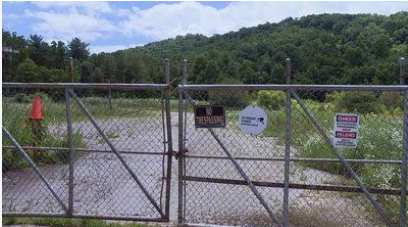
The United States Environmental Protection Agency announced the completion of a major environmental cleanup at the Unimatic Manufacturing Corporation Superfund site in Fairfield, New Jersey, removing more than 52,000 tons of PCB-contaminated soil. The comprehensive project involved demolishing the former manufacturing facility, excavating hazardous earth laden with polychlorinated biphenyls, and clearing an additional 2,500 tons of contaminated downstream sediment. Following the waste removal, teams backfilled the terrain with clean materials and restored the ecosystem by planting native trees and shrubs. Federal officials have implemented long-term groundwater and soil monitoring programs to guarantee the permanent safety and ecological health of the surrounding community.
By Yusra M. | JQJO News
Timeline of Events
- On June 14, 1983, the Unimatic Manufacturing Corporation site in Fairfield, New Jersey, was designated for initial environmental oversight.
- On September 21, 1984, the location was officially added to the Environmental Protection Agency Superfund National Priorities List due to hazardous waste concerns.
- On May 12, 2015, extensive multi-agency assessments identified heavy polychlorinated biphenyls (PCBs) and other chemical residues in the soil.
- On November 10, 2022, federal funding injections via infrastructure legislation prioritized the stalled remediation property.
- On January 15, 2024, cleanup crews initiated the systematic demolition of the derelict Unimatic manufacturing building.
- On August 18, 2025, mass excavation operations commenced to dig out hazardous soil layers containing high concentrations of PCBs.
- On April 12, 2026, remediation teams removed over 2,500 tons of contaminated sediment from nearby downstream water channels.
- On April 16, 2026, the Environmental Protection Agency formally announced the successful clearance of more than 52,000 tons of PCB-contaminated soil.
- On May 20, 2026, ecological restoration workers filled the excavated zones with clean fill material and planted native shrubs and trees.
- On October 6, 2026, environmental officials established long-term groundwater and soil monitoring protocols to ensure lasting safety.
News Intelligence
- Immediate US impact: Fairfield residents and New Jersey environmental groups celebrate the removal of significant toxic waste from a long-standing local hazard.
- Possible long-term US impact: Restores local ecological health, safeguards groundwater resources, and demonstrates efficient federal Superfund remediation execution.
- Most affected groups: Local New Jersey residents, municipal leaders in Fairfield, environmental protection agencies, and downstream communities.
- Reader Prioritization: Prioritize official EPA press releases, environmental impact reports, and local municipal health updates.
Coverage of Story:
From Center
Associated Press News Hub
Associated Press Reuters U.S. Environmental Protection Agency New York Times Washington Post Los Angeles Times Chicago Tribune USA Today The Athletic Sports Illustrated NBC News NPR The Hill Bloomberg Wall Street Journal Newsweek Time Axios Politico BBC News CBS News ABC News Forbes Business Insider AP Environment Hub EPA Superfund Portal




Comments