The U.S. Public Is Losing Its Say on Environmental Policy
PUBLISHED Oct 8, 2026, 3:25 PM ET
Read, Watch or Listen
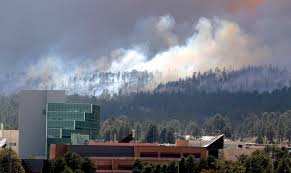
Federal agencies and administrations are increasingly bypassing public participation and traditional notice-and-comment periods in environmental decision-making. While policymakers frame these changes as necessary to cut red tape for infrastructure and energy projects, critics argue the shift strips everyday citizens and local communities of essential oversight. Regulatory adjustments now allow high-pollution projects to utilize fast-track classifications and avoid public reviews. Administrations have also increasingly invoked national security exemptions and emergency declarations to bypass environmental statutes. Research indicates public participation fosters trust and helps flag overlooked hazards, such as wildfire risks near industrial sites. Efforts are also underway to weaken citizen suits that hold polluters accountable. This erosion of public input has drawn criticism from environmental advocates and legal scholars who emphasize transparency. Without traditional safeguards, local stakeholders face limited avenues to challenge potentially harmful projects affecting their communities.
By Noormahi M. | JQJO News
Timeline of Events
- On January 15 2024 federal agencies proposed new fast-track permitting rules.
- On March 22 2024 environmental groups filed legal challenges against fast-track exemptions.
- On June 10 2024 Congress debated the merits of streamlining environmental reviews.
- On September 5 2024 administrative guidelines expanded emergency exemptions for industrial projects.
- On November 18 2024 researchers published findings on public participation benefits.
- On February 12 2025 regulatory bodies finalized exemptions for heavy-load data centers.
- On February 25 2025 CEQ issued an interim final rule removing regulations.
- On May 20 2025 citizen groups protested limitations on public comment periods.
- On July 3 2025 DOI changed public outreach and comment rules.
- On October 8 2026 Yale Environment 360 published analysis on public input loss.
News Intelligence
- Immediate US impact: Local communities lose immediate oversight over proposed industrial projects.
- Possible long-term US impact: Reduced transparency may heighten environmental risks and public distrust.
- Most affected groups: Environmental advocates local residents and public interest legal groups.
- Reader priority: Monitor federal regulatory updates and local zoning announcements closely.
Coverage of Story:
From Left
Sierra Club Slams Administration Decision to Bypass Environmental Reviews
Sierra Club Press Western Priorities Stop Climate Chaos Scotland Inside Climate News Earthjustice Natural Resources Defense Council Center for Biological Diversity Union of Concerned Scientists New York Times MSNBC Los Angeles Times Seattle Times San Francisco Chronicle Grist Mother JonesFrom Center
How the U.S. Public Lost Its Say on Environmental Policy
Yale Environment 360 SCOUT Environmental United Nations University UN Environment Programme ScienceDaily World Economic Forum Reuters Associated Press Politico The Hill E&E News Bloomberg Law Environmental Defense Fund World Resources Institute Washington Post NPR PBS NewsHour Chicago Tribune Houston Chronicle Denver Post Miami Herald Time Magazine Newsweek National Public Radio Science Bloomberg Axios ForbesFrom Right
Cutting red tape to unleash American energy production and growth
Heritage Foundation Cato Institute Competitive Enterprise Institute Wall Street Journal National Review Washington Examiner Daily Caller American Enterprise Institute





Comments