Takeaways from AP’s report on Alaska’s growing fight over trawling and bycatch
PUBLISHED Oct 9, 2026, 9:13 AM ET
Read, Watch or Listen
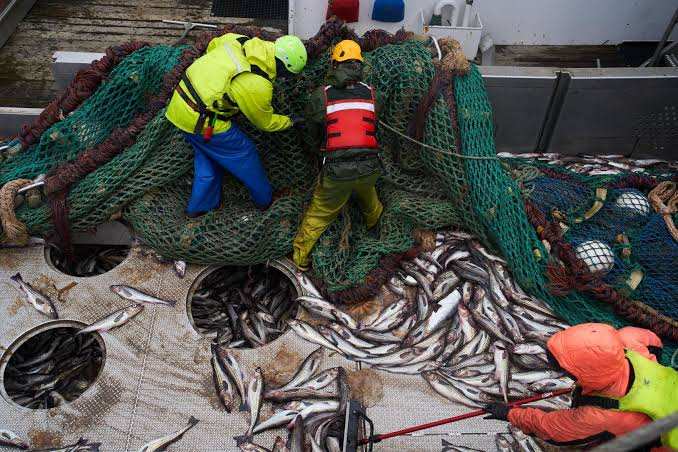
The Alaska pollock fishery faces intense scrutiny as severe salmon run collapses across western Alaska prompt a seven-year ban on Chinook fishing along the Yukon River. Commercial trawlers targeting pollock incidentally catch thousands of Chinook and chum salmon annually, fueling a bitter debate between industrial fishing operations and indigenous communities who rely on the runs for subsistence and cultural survival. While marine scientists attribute the primary cause of salmon population declines to warming waters and changing ocean conditions, critics emphasize that bycatch represents a direct source of mortality that fisheries managers can actively control. Indigenous leaders argue that ongoing restrictions threaten their heritage and ancient ways of life, intensifying demands for stricter regulatory measures and accountability from major seafood suppliers.
By Noormahi M. | JQJO News
Timeline of Events
- On January 1 2016 Western Alaska salmon stocks began showing signs of severe historical declines.
- On June 1 2019 Local indigenous communities reported drastically reduced subsistence fishing catch yields.
- On April 15 2021 Researchers published studies linking rising water temperatures to fish loss.
- On July 10 2023 Regulators implemented preliminary emergency restrictions on regional salmon harvesting activities.
- On May 20 2024 Officials enacted a complete seven-year ban on Yukon Chinook fishing.
- On January 15 2025 Commercial trawlers reported catching average annual limits of bycatch.
- On August 12 2025 Village leaders testified before regulatory boards regarding cultural preservation threats.
- On March 1 2026 Associated Press released comprehensive investigative reporting on fishery conflicts.
- On October 1 2026 State managers evaluated ongoing environmental data surrounding marine species mortality.
- On October 9 2026 Stakeholders prepared for upcoming legislative hearings on pollock trawling.
News Intelligence
- Immediate US impact: Seafood supply chains and federal fisheries management face heightened regulatory pressure.
- Possible long-term US impact: Stricter federal bycatch limits could permanently reshape commercial trawling operations.
- Most affected groups: Alaska Native communities, commercial fishers, seafood processors, and federal regulators.
- Reader priority: Monitor official regulatory filings and independent environmental science reporting updates.
Coverage of Story:
From Left
Draggers in the Bering Sea and the Gulf of Alaska bycaught nearly 2000 king salmon
SalmonStateFrom Center
Takeaways from AP report on Alaskas growing fight over trawling and bycatch
Associated Press KTOO Public Media National Fisherman SeafoodSource North Pacific Fishery Management Council Alaska Department of Fish and Game Saving Seafood Kuskokwim River Salmon Coalition Cordova Times Alaska Beacon National Public Radio Reuters Bloomberg The Hill Politico Wall Street JournalFrom Right
Balancing Resource Extraction and Commercial Fisheries in Alaska Waters
Council of Alaska Producers

Comments