‘Nature-Based’ Solutions Could Save Insurers and Policyholders Billions
PUBLISHED Oct 3, 2026, 10:03 AM ET
Read, Watch or Listen
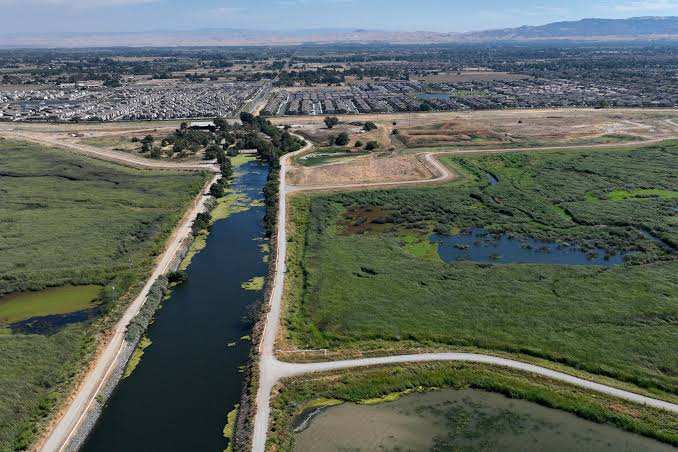
Rising climate disasters and skyrocketing property insurance premiums have prompted new research highlighting the financial benefits of nature-based solutions. A recent study indicates that wetland restoration, mangrove protection, and targeted wildfire prevention methods like prescribed burns can achieve significant risk reductions for vulnerable properties. As extreme weather events increase financial pressures on homeowners and carriers across the United States, experts emphasize the importance of integrating ecosystem management into disaster mitigation strategies. However, insurance industry analysts note that translating ecological conservation into lower consumer rates requires improved risk modeling and robust empirical data. Insurers and risk modelers must establish clear dollar metrics for the risk reduction provided by natural habitats to justify premium adjustments. Demonstrating this direct link between local conservation efforts and reduced property damage can incentivize municipal investments in climate resilience, offering a sustainable path forward for communities facing severe climate-related risks.
By Noormahi M. | JQJO News
Timeline of Events
- On October 12 2023 Researchers published initial environmental resilience data regarding coastal protection.
- On January 15 2024 Insurance actuaries reviewed rising disaster trends across property markets.
- On May 20 2024 Communities tested wetland restoration projects for flood damage mitigation.
- On August 10 2024 Wildfire prevention strategies received federal funding for local implementation.
- On November 5 2024 Property insurance rates surged significantly across several high-risk states.
- On February 18 2025 Environmental groups proposed integrating natural infrastructure into risk models.
- On June 22 2025 Risk modelers evaluated the financial impact of restored natural habitats.
- On September 14 2025 Policymakers discussed incentives for local ecosystem conservation programs.
- On December 3 2025 Insurance companies explored data requirements for green infrastructure credits.
- On October 3 2026 Researchers released comprehensive findings on nature-based insurance savings.
News Intelligence
- Immediate US impact: Property insurers evaluate nature-based data for potential risk adjustments.
- Possible long-term US impact: Ecosystem restoration permanently lowers community vulnerability and stabilizes insurance markets.
- Most affected groups: Homeowners in climate-vulnerable coastal and wildfire-prone regions nationwide.
- Reader priority: Monitor local conservation updates and insurance regulatory changes regarding risk.
Coverage of Story:
From Left
Nature-Based Solutions Could Save Insurers and Policyholders Billions
Inside Climate News Washington Post San Francisco Chronicle The New RepublicFrom Center
Climate risks drive insurers to explore natural coastal barriers
Reuters AP News Bloomberg The Hill Wall Street Journal Time USA Today Politico Miami Herald Houston Chronicle Chicago Tribune Forbes NPR Nature World News Axios MarketWatch The Economist Financial Times Newsweek Reuters Sustainable Finance Bloomberg Green AP Climate Fast Company Barron's






Comments