The First Prediction-Market Election: How Kalshi and Polymarket Scrambled the Midterms
PUBLISHED Sep 24, 2026, 5:34 AM ET
Read, Watch or Listen
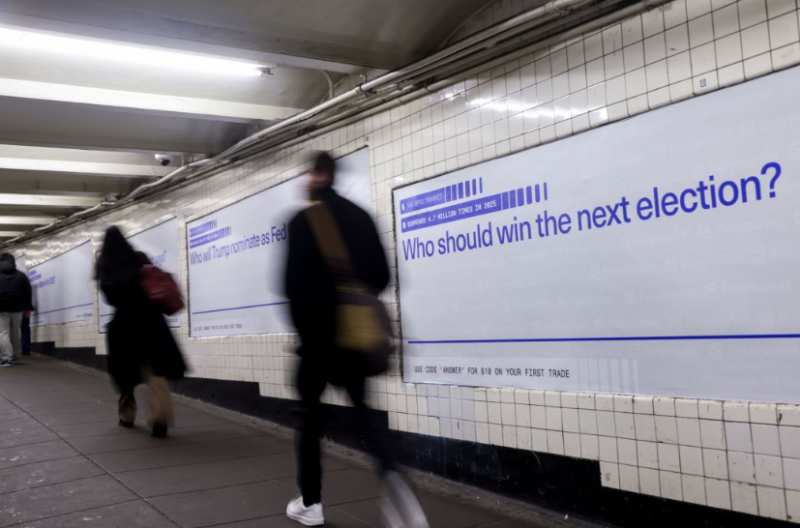
As the 2026 U.S. midterm elections approach, prediction market platforms such as Kalshi and Polymarket are experiencing a historic surge in trading activity, introducing complex challenges for election administrators, regulators, and voters. Total trading volume across major prediction platforms has escalated to $26.6 billion, according to blockchain analytics firm Dune, marking a sharp increase from previous cycles. Roughly two-thirds of this volume is concentrated on Kalshi, a federally regulated exchange that achieved a $22 billion valuation in its most recent funding round. State election officials across approximately 20 states have raised alarms that real-money wagers on congressional, gubernatorial, and local races could distort public expectations, influence voter behavior, or facilitate market manipulation. Concurrently, intense legal battles are playing out in federal and state courts to determine whether state-level gaming regulators possess the authority to oversee prediction exchanges or if federal commodities laws preempt local jurisdiction. In response to heightened regulatory pressure and scrutiny over potential conflicts of interest, prediction market operators have enacted stringent compliance measures, including rules barring political candidates from wagering on their own campaigns.
By Neha R. | JQJO News
Timeline of Events
- On June 1 2026 Trading volume across major prediction platforms scales rapidly, reaching multi-billion dollar milestones.
- On August 15 2026 State election officials across roughly 20 states raise formal concerns regarding market manipulation and voter distortion.
- On September 1 2026 Kalshi and Polymarket introduce compliance rules restricting candidates and insiders from trading on related contracts.
- On September 7 2026 A federal appeals court panel rules on state licensing requirements for prediction platforms operating within regional jurisdictions.
- September 24, 2026 — Federal agencies and state legal teams continue monitoring platform compliance amid pending court resolutions.
News Intelligence
- Immediate US impact: State election administrators and federal regulators face immediate legal and oversight challenges regarding prediction market influence over the 2026 midterm elections.
- Possible long-term US impact: Resolution of ongoing federal and state lawsuits will establish legal precedents governing the intersection of financial prediction exchanges and U.S. electoral politics.
- Most affected groups: U.S. voters, election administrators, political candidates, and financial market regulators.
- Reader priority: High for individuals tracking the intersection of financial markets, regulation, and the 2026 midterm elections.
- Articles Published:
- 28
- Right Leaning:
- 5
- Left Leaning:
- 5
- Neutral:
- 18
- Distribution:
- Left 18%, Center 64%, Right 18%
Left: Emphasizes the risks of corporate money, potential market manipulation, and how financialized wagers on elections undermine public trust and democratic integrity. Center: Focuses objectively on the procedural legal mechanics, the jurisdictional friction between state gaming regulators and federal commodities oversight, and record-breaking trading volumes. Right: Frames prediction markets as efficient, free-market barometers that often outperform traditional media polls, while criticizing state-level overreach and regulatory interference.
Reporting on the rise of prediction markets, trading volume milestones, and regulatory hurdles ahead of the 2026 midterm elections. https://www.pbs.org/newshour/politics/2026s-elections-could-test-how-skyrocketing-trading-on-prediction-markets-affects-races-and-results
Coverage of Story:
From Left
Critics sound alarm over financial speculation in American elections
CNN New York Times Washington Post Los Angeles Times SlateFrom Center
2026s elections could test how skyrocketing trading on prediction markets affects races and results
PBS NewsHour Associated Press Reuters Bloomberg The Hill Politico CNBC Axios NPR USA Today CBS News NBC News ABC News Forbes Time TradingView News Trill Mag Financial TimesFrom Right
Prediction exchanges provide market-based efficiency to political forecasting
Wall Street Journal National Review Washington Examiner Daily Mail The American Conservative





Comments