US Threatens to Walk Away From International Energy Agency Over Global Climate Targets
PUBLISHED Sep 24, 2026, 2:41 AM ET
Read, Watch or Listen
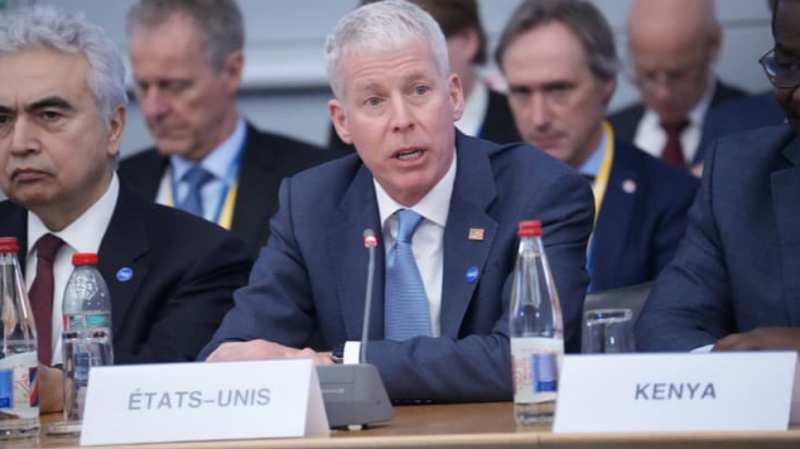
The United States has threatened to withdraw from the International Energy Agency (IEA) if the organization does not alter its strategic focus regarding climate change and energy policy. US Energy Secretary Chris Wright announced the position during an event hosted by the Wall Street Journal in New York. Wright stated that the administration's preference is to reform the agency so it returns strictly to its traditional core mission of energy security and emergency oil reserves rather than pursuing net-zero emissions scenarios. The Paris-based IEA, funded approximately a quarter by the United States, expanded its scope over recent decades to incorporate clean energy research. Domestic fossil fuel sectors and administration officials have criticized this green transition emphasis as hostile to hydrocarbons. Officials did not provide a precise timetable or specific structural demands for the potential exit.
By Neha R. | JQJO News
Timeline of Events
- 1973-1974 — The International Energy Agency is established following the global oil shock to coordinate emergency reserves and energy security.
- The IEA expands its mandate over subsequent decades to incorporate clean energy research, tracking transitions away from fossil fuels.
- On September 23 2026 US Energy Secretary Chris Wright announces at a Wall Street Journal event in New York that the US will reform or leave the IEA.
- On September 24 2026 U.S. officials evaluate potential structural demands and funding contributions without a finalized withdrawal timeline.
- Anticipated diplomatic consultations between Washington and member states regarding IEA governance and climate focus.
News Intelligence
- Immediate US impact: Directly impacts U.S. international diplomatic positioning on global energy policy and federal funding allocations to multilateral bodies.
- Possible long-term US impact: Could reshape international climate agreements, alter global clean energy financing, and impact domestic fossil fuel market regulations.
- Most affected groups: U.S. energy sector, international climate negotiators, and member states of the International Energy Agency.
- Reader priority: Understanding global climate finance disparities, U.S. foreign policy shifts, and the future of international energy security frameworks.
- Articles Published:
- 30
- Right Leaning:
- 6
- Left Leaning:
- 8
- Neutral:
- 16
- Distribution:
- Left 27%, Center 53%, Right 20%
Left: leaning outlets frame the U.S. threat to leave the IEA as a reckless blow to global climate cooperation, undermining international commitments to curb carbon emissions and reach net-zero targets. Center: Center outlets report the administrative ultimatum neutrally, emphasizing the friction between traditional energy security missions and newer clean energy mandates, as well as the funding implications for the agency. Right: leaning outlets support the administration's pushback against the IEA's green agenda, framing it as a necessary correction to refocus on domestic hydrocarbon production, economic growth, and traditional energy security.
Announcement by US Energy Secretary Chris Wright at a Wall Street Journal event regarding IEA reform or withdrawal. https://www.streetinsider.com/Reuters/US+will+either+reform+IEA+on+climate+issues+or+leave+the+group%2C+energy+secretary+says/27095279.html
Coverage of Story:
From Left
Energy Secretary Issues Ultimatum to IEA
CNN Washington Post New York Times The Guardian Los Angeles Times Independent Slate The AtlanticFrom Center
US will either reform IEA on climate issues or leave the group, energy secretary says
Reuters StreetInsider Bloomberg Associated Press Financial Times CNBC BBC News Politico Time Axios Forbes The Hill Al Jazeera France 24 Deutsche Welle Nikkei AsiaFrom Right
US Energy Secretary Discusses Global Energy Policy
Wall Street Journal Fox News National Review Telegraph Washington Examiner Daily Mail






Comments