Nvidia CEO Huang Faces Low Exit
Tap title to read story
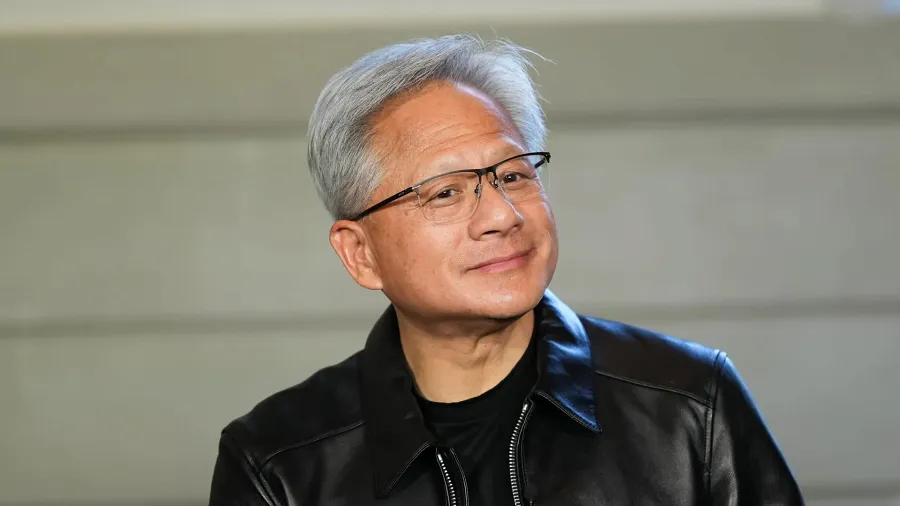
Nvidia’s board has launched an investigation into CEO Jensen Huang after reports surfaced that he has been targeted by a foreign intelligence effort. Huang admitted to an extramarital affair with a woman whom U.S. intelligence officials say is a spy for China’s Ministry of State Security. Prediction markets on Kalshi assign a seventeen percent chance that Huang will depart by 2027, rising to thirty percent by 2028 and thirty‑five percent by 2029, with a seventy‑five percent probability by 2031. Polymarket offers one‑in‑four odds that he resigns or is forced out by the end of March 2027. Shares of Nvidia fell more than five percent after the news on Monday. The investigation and market sentiment highlight ongoing concerns about executive conduct and national security implications for the chipmaker.
More context
Timeline
- On November 9 2026 Nvidia board launches probe into CEO Huang.
- On November 9 2026 Huang admits extramarital affair with alleged spy.
- On November 9 2026 Kalshi assigns seventeen percent exit odds by 2027.
- On November 9 2026 Nvidia shares drop more than five percent.
Why it matters
Immediate US impact: Nvidia shares decline, investor confidence affected Possible long-term US impact: Potential leadership change, market volatility Most affected groups: Investors, employees, security analysts Reader priority: Understand board actions, market odds, stock impact
Coverage notes
Center: Coverage from nvidia.com, capwolf.com, computerhistory.org frames this as a developing news story: Nvidia CEO Huang Faces Low Exit. Reporting emphasizes verified facts, named sources, and near-term impact for readers. Left: Left-leaning desks covering the same development typically emphasize public impact, institutional accountability, and who is most affected. Right: Right-leaning desks covering the same development typically emphasize practical outcomes, market or security stakes, and institutional response.
Primary report
CNBC — Nvidia CEO Huang Faces Low Exit
Sources
- theguardian.com
- nbcnews.com
- axios.com
- observer.com
- cnn.com
- aljazeera.com
- theatlantic.com
- newyorker.com
- nvidia.com
- computerhistory.org
- image.baidu.com
- forbes.com
- carnegie.org
- wikiwand.com
- en.wikipedia.org
- reuters.com
- channelnewsasia.com
- inc.com
- cbsnews.com
- mp.weixin.qq.com
- weforum.org
- nvidianews.nvidia.com
- siepr.stanford.edu
- quartr.com
- finance.yahoo.com
- linkedin.com
- businessinsider.com
- stratechery.com
- techcrunch.com
- fortune.com
- nytimes.com
- acquired.fm
- wired.com
- scmp.com
- independent.co.uk
- bbc.com
- weibo.com
- tomshardware.com
- gsb.stanford.edu
- baidu.com
- politico.com
- zhuanlan.zhihu.com
- abc.net.au
- engineering.stanford.edu
- apnews.com
- bloomberg.com
- csis.org
- youtube.com
- capwolf.com
- blogs.nvidia.com
- CNBC
JQJO Editorial Desk · Human reviewed · AI assisted. Report a correction.