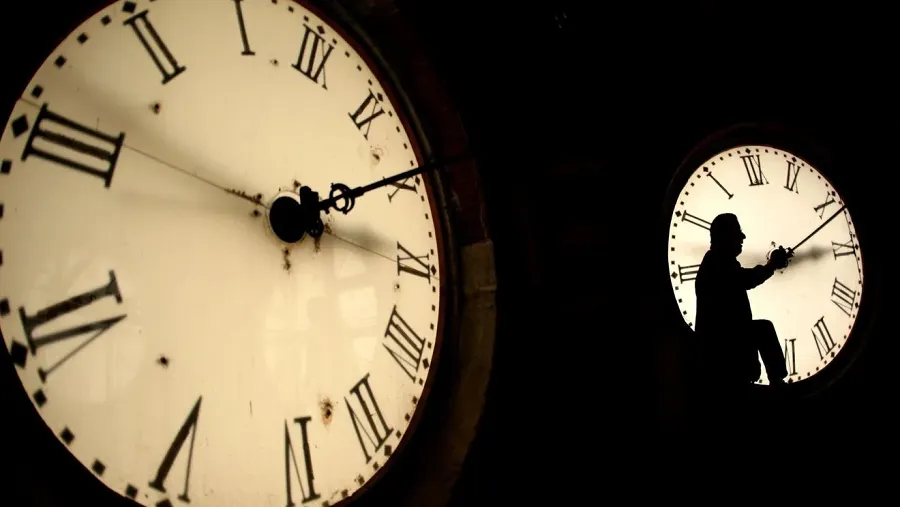
Every second matters… or does it?
Tap title to read story
Every second matters – or does it? The way we keep time is set for a shake‑up. Scientists voted to move to continuous UTC, ending leap seconds as Earth’s spin speeds up. The shift, slated for May twentieth, two thousand twenty‑seven, could avert risky negative leap seconds. Since 1972, a leap second has been added twenty‑seven times to keep UTC in sync with astronomical time. Earth’s irregular spin has begun to speed up, meaning a future removal of a second would be required. A 2024 Nature study warned that software systems have never had to go back in time, posing potential catastrophic risks. An international meeting in Paris on October fifteenth, two thousand twenty‑four, approved the resolution to switch to continuous UTC, adjusting only when an hour difference occurs.
More context
Timeline
- On January 1 1972 First leap second added to UTC.
Why it matters
Immediate US impact: Potential software disruptions avoided by continuous UTC Possible long-term US impact: Simplifies global timekeeping for technology infrastructure Most affected groups: Software developers and system administrators Reader priority: Understand leap second changes and future impacts
Coverage notes
Center: Coverage from msn.com, itsjonq.com, everysecond.io frames this as a developing news story: Every second matters… or does it?. Reporting emphasizes verified facts, named sources, and near-term impact for readers. Left: Left-leaning desks covering the same development typically emphasize public impact, institutional accountability, and who is most affected. Right: Right-leaning desks covering the same development typically emphasize practical outcomes, market or security stakes, and institutional response.
Primary report
KATU — Every second matters… or does it?
Sources
JQJO Editorial Desk · Human reviewed · AI assisted. Report a correction.