Clean Wisconsin joins lawsuit over EPA repeal of power plant carbon standards
PUBLISHED Sep 24, 2026, 5:27 AM ET
Read, Watch or Listen
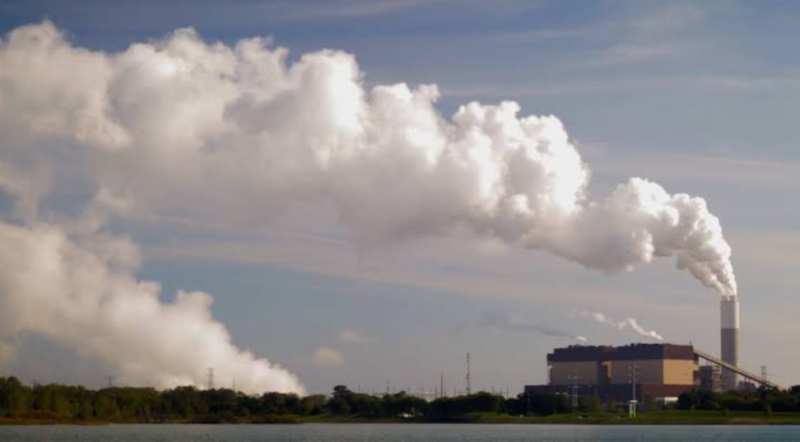
Clean Wisconsin has joined a multi-state coalition of environmental and public health organizations in a formal legal challenge against the U.S. Environmental Protection Agency. The lawsuit targets the EPA's official repeal of federal standards regulating carbon pollution from fossil fuel-fired power plants. The legal action was lodged at the U.S. Court of Appeals for the D.C. Circuit. Alongside Clean Wisconsin, the coalition includes the Natural Resources Defense Council (NRDC), the American Lung Association, the American Public Health Association, the Clean Air Council, and the Environmental Defense Fund. The challenged EPA decision rescinds carbon limits established to target emissions from existing coal-fired utilities and new natural gas facilities. Legal representatives for Clean Wisconsin argue that abandoning these federal limits directly threatens public health and exacerbates environmental vulnerabilities, maintaining that repealing carbon standards without adequate replacement rules violates statutory obligations under the Clean Air Act.
By Neha R. | JQJO News
Timeline of Events
- 2024 — EPA establishes federal carbon limits targeting emissions from existing coal-fired utilities and new natural gas facilities.
- 2026 — The EPA officially rolls back and repeals the power plant carbon pollution standards.
- September 24, 2026 — Clean Wisconsin joins a multi-state coalition filing a formal legal challenge against the EPA repeal at the U.S. Court of Appeals for the D.C. Circuit.
- 2026-10 — Legal teams prepare initial briefing schedules and motion filings in the D.C. Circuit.
- 2027 — Anticipated oral arguments regarding the statutory interpretation of the Clean Air Act.
News Intelligence
- Immediate US impact: Directly challenges federal enforcement capabilities and multi-state compliance frameworks for power generation.
- Possible long-term US impact: Shapes the future scope of federal regulatory authority over greenhouse gas emissions under the Clean Air Act.
- Most affected groups: Environmental organizations, public health advocates, state utility regulators, and energy consumers in participating states.
- Reader priority: High for individuals tracking national climate policy, legal battles, and environmental regulation rollbacks.
- Articles Published:
- 29
- Right Leaning:
- 5
- Left Leaning:
- 5
- Neutral:
- 19
- Distribution:
- Left 17%, Center 66%, Right 17%
Left: Emphasizes public health risks, climate urgency, and corporate accountability, framing the EPA's repeal as a harmful deregulation that endangers vulnerable communities. Center: Focuses on the procedural legal mechanics, the friction between federal administrative authority and state coalitions, and the core debate over grid reliability versus emissions limits. Right: Highlights regulatory overreach, the economic burden of federal carbon mandates on energy costs, and support for the EPA's focus on lowering compliance expenses and protecting electrical grid reliability.
Clean Wisconsin joining the multi-state EPA lawsuit https://www.dailycardinal.com/article/2026/09/clean-wisconsin-joins-lawsuit-over-epa-repeal-of-power-plant-carbon-standards
Coverage of Story:
From Left
Lawsuit challenges EPA decision to scrap power plant emission standards
New York Times Washington Post Inside Climate News Los Angeles Times The GuardianFrom Center
Clean Wisconsin joins lawsuit over EPA repeal of power plant carbon standards
Daily Cardinal Reuters Associated Press Bloomberg The Hill Politico Earthjustice Natural Resources Defense Council Milwaukee Journal Sentinel Wisconsin State Journal USA Today CBS News NBC News ABC News Axios NPR Forbes Time CNBCFrom Right
Environmental groups push back against EPA regulatory relief efforts
Fox News Wall Street Journal National Review Washington Examiner Daily Mail






Comments