Climate change boosted risk of devastating Himalayan flood, experts say
PUBLISHED Aug 27, 2026, 4:32 AM ET
Read, Watch or Listen
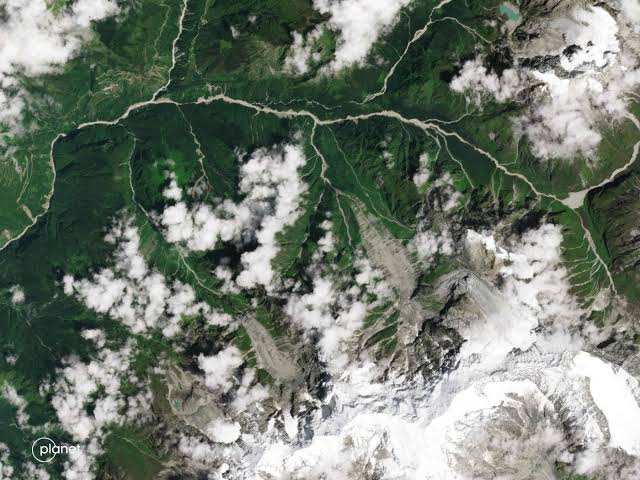
A catastrophic flash flood along the Nepal-China border, triggered by a massive ice-rock avalanche, has killed 165 people and left nearly 1,500 missing, including at least 800 foreign nationals. Scientists report that rising global temperatures and melting glaciers are destabilizing high-mountain terrain in the Hindu Kush range, creating dangerous compound events when paired with seismic activity. The disaster struck after tons of mud and rock collapsed from the Langtang Lirung peak into the Lhende Khola river, destroying six major hydropower plants, severely damaged the Gyirong Port trade hub, and altered river channels over one hundred kilometers downstream near the Indian border. Researchers note that glaciers in Nepal have melted at an accelerated pace over recent decades, significantly reducing structural ice support on steep slopes. Similar severe surges have occurred across the region in recent years, highlighting escalating environmental vulnerabilities and urgent cross-border risks for communities and infrastructure.
By Michael Grant | JQJO News
Timeline of Events
- On Aug 27, 2023, United Nations reported Nepalese mountains lost massive ice cover.
- On Aug 27, 2024, Glacial lake outburst severely impacted the Sherpa village of Thame.
- On Aug 27, 2025, Similar catastrophic surges convulsed the region near the border.
- On Aug 27, 2026, Massive ice-rock avalanche triggered catastrophic flash floods in Himalayas.
- On Aug 27, 2026, Authorities confirmed 165 fatalities and nearly 1500 missing individuals.
- On Aug 27, 2026, Rescue operations began amidst damaged cross-border infrastructure and roads.
- On Aug 28, 2026, Scientists analyzed compound disaster dynamics involving earthquakes and melting glaciers.
- On Aug 29, 2026, Governments assessed widespread damage to major regional hydropower plants.
- On Dec 27, 2026, Regional authorities will implement enhanced cross-border early warning systems.
- On Aug 27, 2027, Climate researchers anticipate continued glacial melting across Himalayan mountain ranges.
News Intelligence
- Immediate US impact: Global supply chains and regional energy security face minor disruptions.
- Possible long-term US impact: Accelerated glacial melting demands international climate adaptation and funding policies.
- Most affected groups: Mountain communities, hydropower operators, and rescue agencies are severely affected.
- Reader priority: Track official meteorological bulletins and verified scientific research updates closely.
- Articles Published:
- 31
- Right Leaning:
- 3
- Left Leaning:
- 4
- Neutral:
- 24
- Distribution:
- Left 13%, Center 77%, Right 10%
Left: Emphasizes urgent climate crisis realities driving extreme weather disasters. Center: Reports factual scientific consensus on compound environmental hazard factors. Right: Focuses primarily on infrastructure damage and regional disaster response efforts.
Reuters published exclusive report detailing climate-driven Himalayan disaster risks. https://www.reuters.com/world/asia-pacific/climate-change-boosted-risk-devastating-himalayan-flood-experts-say-2026-08-27/
Coverage of Story:
From Left
Climate crisis fuels catastrophic Himalayan flash flood killing dozens
CNN The Guardian New York Times IndependentFrom Center
Climate change boosted risk of devastating Himalayan flood, experts say
Reuters Reuters Associated Press BBC News Al Jazeera Bloomberg Wall Street Journal Washington Post NPR Nikkei Asia Hindustan Times The Hindu South China Morning Post Channel News Asia Euronews Deutsche Welle France 24 CBC News ABC News Sydney Morning Herald Politico Axios Time Financial TimesFrom Right
Deadly flash flood strikes Himalayan border region between China and Nepal
Fox News The Times Daily Telegraph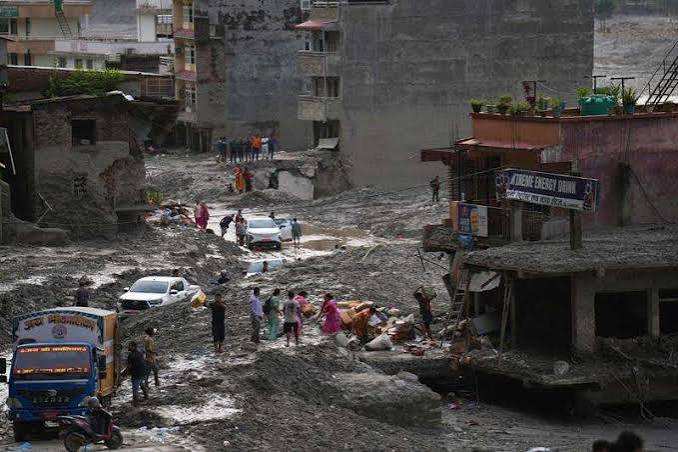




Comments