Explainer: How severe are Indonesia's wildfires?
Tap title to read story
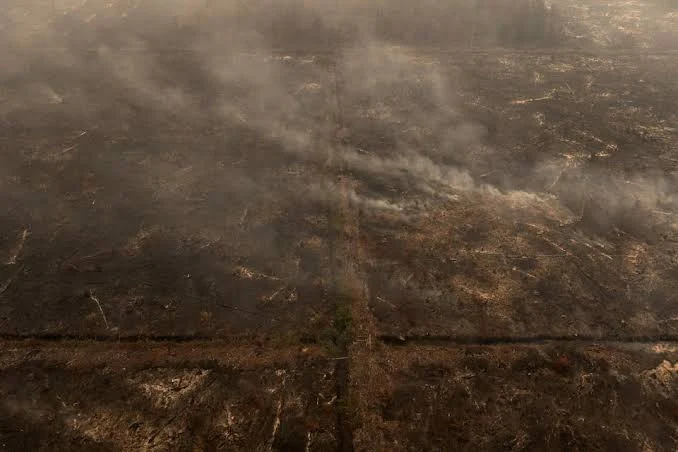
Indonesian authorities report a severe surge in wildfires driven by extreme drought and a powerful El Niño cycle, which climate scientists describe as off the charts. July wildfire damage nearly doubled the previous six months, while August hotspots exceeded 2015 levels, though overall devastation remains below that historic year. According to Copernicus data, carbon emissions from Indonesian fires spiked 429 percent above seasonal means to 17.1 million metric tons over seven days, registering the highest intensity globally outside Russia. The fires stem primarily from agricultural land clearing and peatland degradation, particularly in Borneo, where underground blazes persist. Following the catastrophic fires of 2015, the Indonesian government enacted stricter environmental protections, law enforcement crackdowns, and peatland restoration initiatives. Experts note these preventative measures have successfully limited the broader scale of destruction compared to previous decades, despite record-breaking global sea surface temperatures and intensifying regional drought conditions.
Timeline
- On June 1, 2015 Indonesian wildfires caused unprecedented regional devastation and massive carbon emissions.
- On August 1, 2015 monthly hotspots reached critical levels across Indonesian forest regions.
- On October 1, 2015 wildfire hotspots peaked at an all-time monthly high.
- On July 1, 2023 wildfires destroyed nearly 95,000 hectares of Indonesian land.
- On August 22, 2023 global sea surface temperatures reached record-breaking levels.
- On August 25, 2023 monthly hotspots surpassed five thousand recorded in previous periods.
- On August 31, 2023 carbon emissions from Indonesian fires surged significantly higher.
- On September 1, 2026 authorities expect continued monitoring of peatland moisture levels.
- On December 31, 2026 climate scientists anticipate El Niño intensity patterns to normalize.
- On January 1, 2030 government officials project successful rehabilitation of degraded peatlands.
Sources
JQJO Editorial Desk · Human reviewed · AI assisted. Report a correction.