
Trump Invokes 1930s Great Depression Law for 50% Tariffs on Canada
Tap title to read story
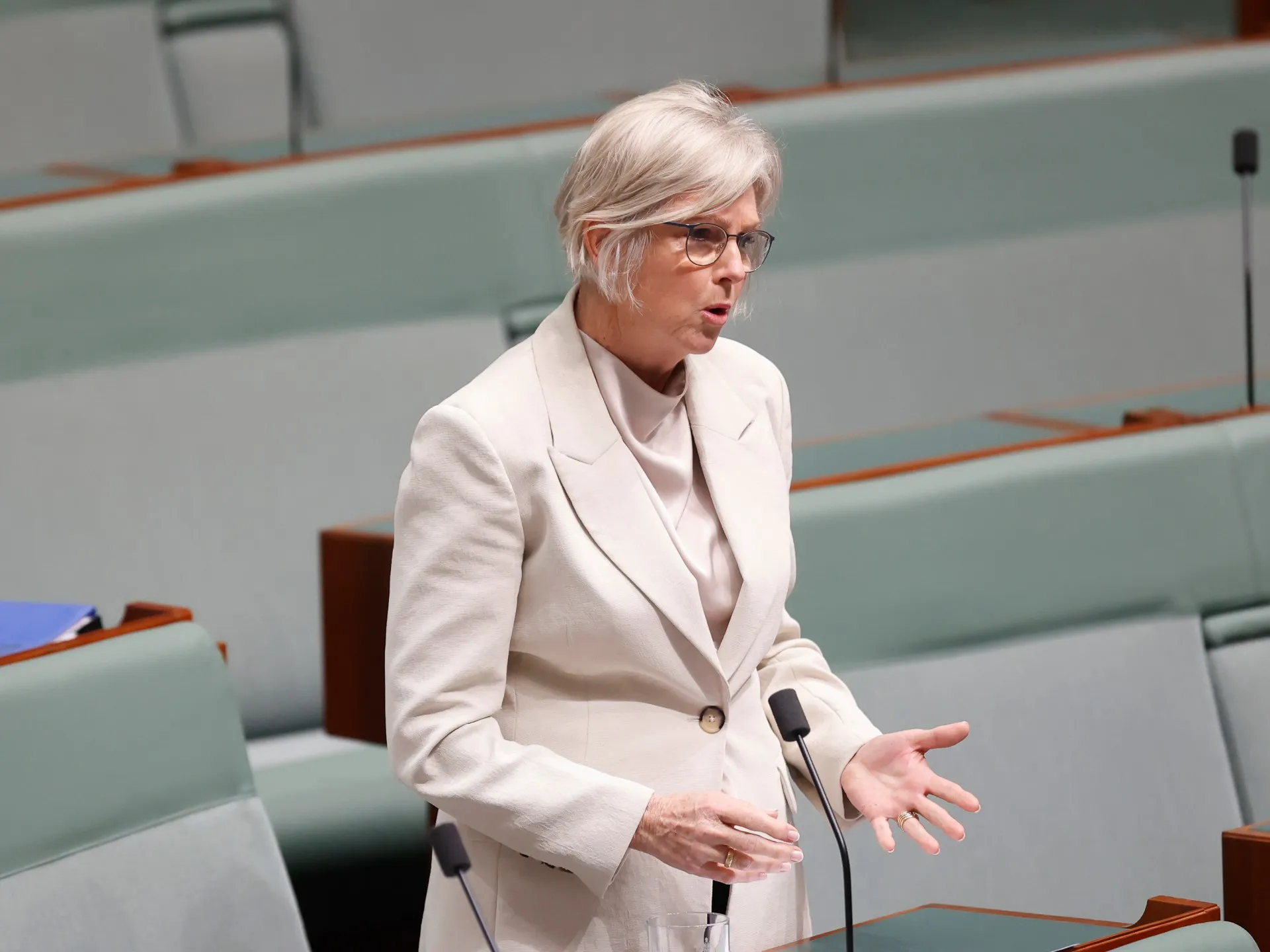
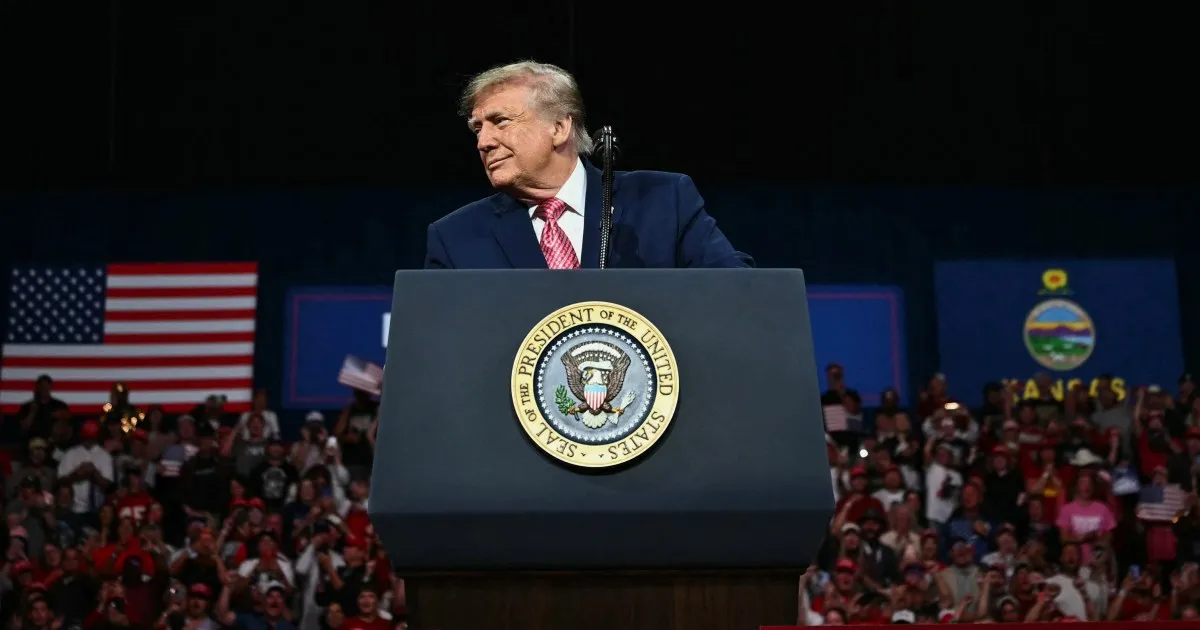
The United States and Canada entered a severe trade war following the Trump administration's invocation of Section 338 of the Tariff Act of 1930. President Donald Trump authorized the executive action to impose tariffs of up to 50 percent on Canadian imports, bypassing judicial rulings that struck down previous penalties. The statute, originating from the Smoot-Hawley legislation, has never been used before. The decision follows a February Supreme Court ruling against earlier federal trade measures. Canadian Prime Minister Mark Carney and Trade Minister Dominic LeBlanc condemned the move from Parliament Hill. The action disrupts integrated cross-border supply chains in agriculture, automotive manufacturing, and lumber. Furthermore, the escalation halts bilateral talks regarding the renewal of the United States-Mexico-Canada Agreement with Ottawa. Federal border agencies are preparing for immediate implementation while no de-escalation timeline has been established by either administration amid growing economic uncertainty.
Timeline
- On June 17, 1930, Congress enacted the Smoot-Hawley Tariff Act containing Section 338.
- On February 14, 2026, the Supreme Court struck down previous administration trade penalties.
- On August 20, 2026, President Trump invoked Section 338 for Canadian tariffs.
- On August 21, 2026, Prime Minister Mark Carney addressed parliament regarding trade retaliation.
- On August 22, 2026, border agencies prepared customs enforcement for fifty percent duties.
- On August 23, 2026, officials confirmed bilateral USMCA renewal talks with Ottawa remain frozen.
- On August 24, 2026, markets reacted negatively to cross-border supply chain disruptions.
- In coming months, Canadian authorities will likely implement retaliatory economic measures.
- Throughout next year, automotive manufacturing costs will increase across North America.
- By late 2027, trade tribunals will review executive authority under historical statutes.
Sources
JQJO Editorial Desk · Human reviewed · AI assisted. Report a correction.