: US-Canada Trade Talks Collapse, 50% Tariffs Trigger Retaliation
Tap title to read story
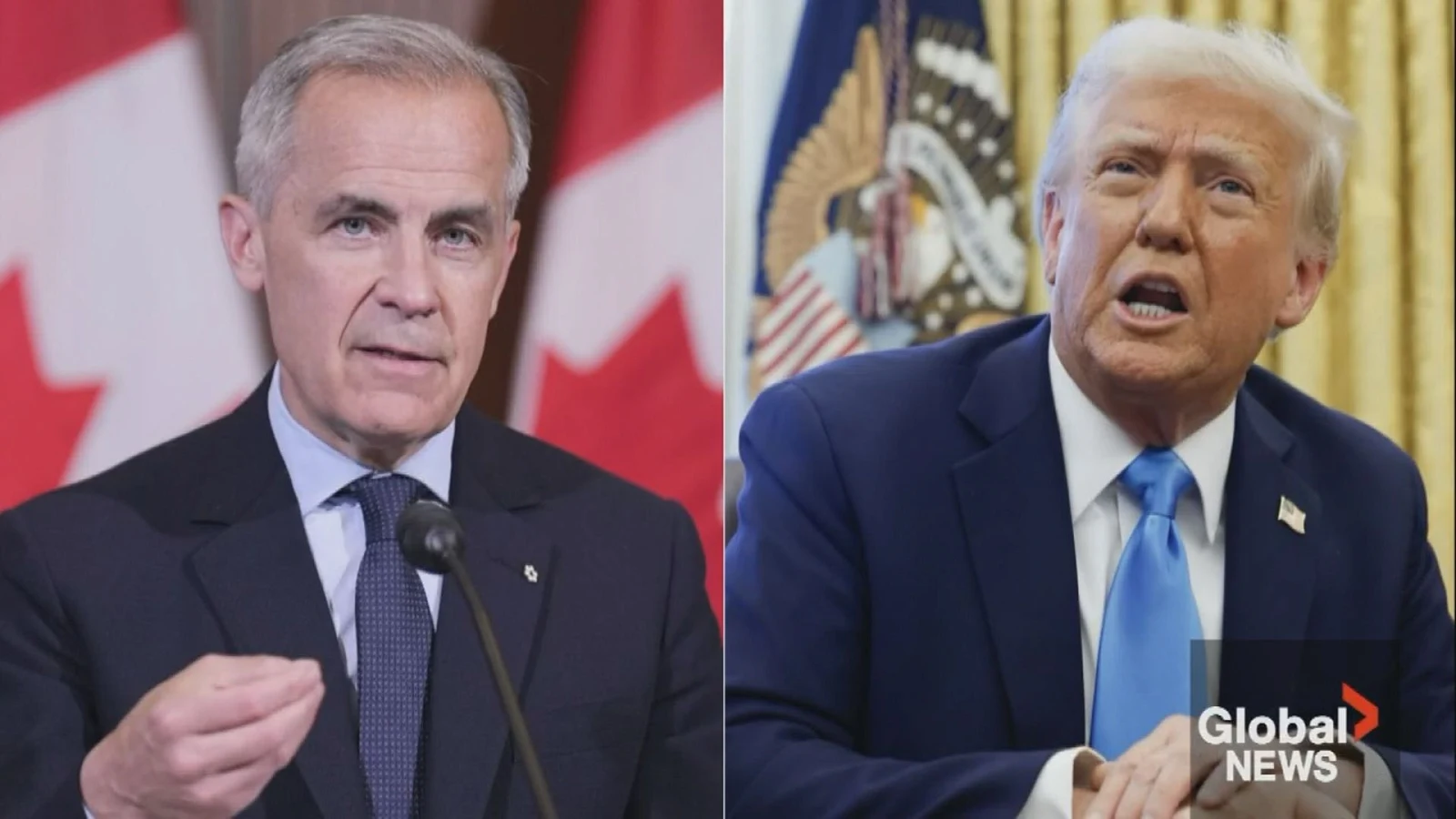
U.S.-Canada trade talks collapsed late Friday, allowing 50% U.S. tariffs on roughly $20 billion of Canadian goods to take effect at 12:01 a.m. Eastern time Saturday. Prime Minister Mark Carney suspended negotiations and recalled Canadian negotiators, saying last-minute U.S. terms were unfair, uneconomic and threatened Canadian sovereignty. U.S. Trade Representative Jamieson Greer said Canada instead rejected terms previously agreed, including proposed tariff reductions for steel, aluminum, automobiles and lumber. The White House says the duties rely on Section 338 of the 1930 Tariff Act and cover specified Canadian imports. Canada plans dollar-for-dollar retaliation beginning September 8, targeting U.S. steel, dairy, appliances, agricultural equipment, pulp and paper, and electronics. The dispute threatens further damage to highly integrated North American supply chains and complicates the future of the USMCA. No new bilateral negotiations are scheduled, according to Greer. President Donald Trump criticized Canada Sunday, indicating tensions remained unresolved after the tariff escalation.
Timeline
- On March 4, 2025, Canada imposed retaliatory tariffs after levies.
- On April 2025, US auto tariffs increased pressure on industry.
- On August 1, 2025, higher US tariffs strained bilateral trade.
- On July 20, 2026, Trump invoked Section 338 against imports.
- On August 19, 2026, threatened 50% tariffs were originally scheduled.
- On August 20, 2026, negotiators resumed intensive talks in Washington.
- On August 21, 2026, Canada suspended negotiations after final disagreements.
- On August 22, 2026, US 50% tariffs entered force nationwide.
- On September 8, 2026, Canada’s dollar-for-dollar retaliation begins against imports.
- Over coming months, tariffs could disrupt supply chains, raise prices.
- Future scenario: Negotiations may resume if economic pressure increases significantly.
- Future scenario: Canadian exporters could accelerate diversification toward non-American markets.
- Future scenario: US manufacturers may face higher costs for Canadian inputs.
- Future scenario: Automotive supply chains could restructure across North America.
- Future scenario: USMCA negotiations could become more contentious and unpredictable.
Sources
JQJO Editorial Desk · Human reviewed · AI assisted. Report a correction.