NASA Abandons $30 Million Rescue of Swift Telescope After Spacecraft Fails
PUBLISHED Aug 21, 2026, 11:55 AM ET
Read, Watch or Listen
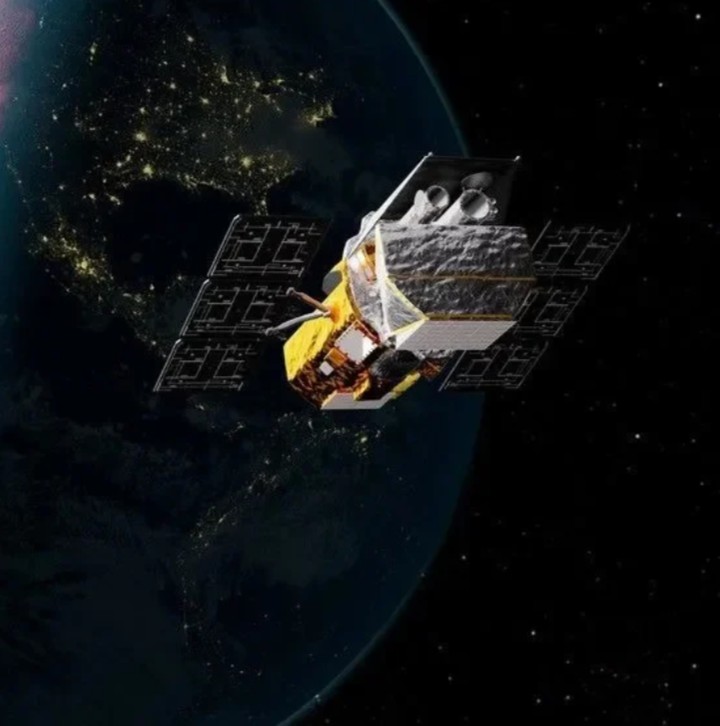
NASA and Katalyst Space Technologies ended a $30 million effort to raise the orbit of the Neil Gehrels Swift Observatory after the commercial LINK spacecraft developed persistent attitude-control problems. NASA said LINK will not capture or boost Swift, but will continue rendezvous and proximity operations intended to demonstrate satellite-servicing capabilities. LINK launched July 3, 2026, aboard a Northrop Grumman Pegasus XL from Kwajalein Atoll. Swift, launched in 2004, has studied gamma-ray bursts and other high-energy cosmic events for more than two decades. Its orbit has been declining faster as increased solar activity expands the upper atmosphere and increases drag. NASA expects Swift to reenter Earth’s atmosphere later in 2026. The original mission was designed as a high-risk, first-of-its-kind commercial servicing demonstration. The failure does not end the technology demonstration: NASA and Katalyst plan to collect data from proximity operations that could inform future satellite-servicing missions. The detailed electrical-failure cascade in the supplied story was not independently established from NASA’s public announcement and should not be stated as confirmed without further technical documentation.
By Sarah Whitman | JQJO News
Timeline of Events
- On November 20, 2004, Swift launched to study cosmic explosions.
- 2025-09 — On September 2025, NASA awarded Katalyst a Swift rescue contract.
- On February 11, 2026, Swift suspended science operations to reduce drag.
- On June 18, 2026, aircraft carrying LINK departed NASA Wallops.
- On July 3, 2026, LINK launched from Kwajalein for Swift.
- On July 28, 2026, NASA reported serious LINK attitude-control problems.
- On August 6, 2026, engineers reduced LINK's uncontrolled spacecraft spin.
- On August 11, 2026, software updates attempted improved attitude control.
- On August 19, 2026, NASA canceled Swift's capture and boost.
- On August 19, 2026, LINK shifted toward proximity demonstrations.
- late 2026 — Later in 2026, Swift is expected to reenter Earth's atmosphere.
- future — Over coming months, engineers will analyze LINK rendezvous data.
- future — Over coming years, servicing missions may incorporate LINK's lessons.
News Intelligence
- Immediate US impact: NASA loses a major long-running high-energy observatory.
- Possible long-term US impact: Servicing lessons could reshape commercial satellite maintenance.
- Most affected groups: NASA astrophysicists, space-servicing firms, astronomers, and federal science planners.
- Reader priority: Readers should prioritize NASA statements, technical updates, and independent reporting.
- Articles Published:
- 2
- Right Leaning:
- 0
- Left Leaning:
- 0
- Neutral:
- 2
- Distribution:
- Left 0%, Center 100%, Right 0%
Left: Coverage emphasizes loss, public investment, and long-term research consequences. Center: Coverage emphasizes verified failure, technical issues, and next steps. Right: Coverage emphasizes mission risk, spending scrutiny, and commercial accountability.
On August 19, 2026, NASA announced cancellation of reboost. https://www.nasa.gov/news-release/nasa-updates-next-steps-for-commercial-swift-boost-mission/
Coverage of Story:
From Left
No left-leaning sources found for this story.
From Center
NASA Abandons $30 Million Rescue of Swift Telescope After Spacecraft Fails
The Indian Express NasaFrom Right
No right-leaning sources found for this story.




Comments