NOAA Warns Historic Super El Niño Threatens US Coastlines and Extreme Weather
PUBLISHED Aug 18, 2026, 10:37 PM ET
Read, Watch or Listen
National wildfire statistics released by the National Interagency Fire Center show that nearly fifty thousand fires have burned over seven million acres across the United States since early January. This total represents one hundred twenty nine percent of the ten year average for total incidents and one hundred sixty eight percent of the ten year average for total acres burned nationwide. Officials report that firefighters are deployed to contain seventy six uncontained large fires across multiple geographic regions, supported by nearly thirty thousand personnel. The Pacific Northwest remains the most active operational area in the country, with heavy concentrations of blazes in Oregon and Washington. Persistent high temperatures, low relative humidity values, and strong afternoon wind gusts continue to compound firefighting efforts across the western states, while predictive services warn of ongoing dry lightning risks and high pressure weather patterns exacerbating fuel dryness through the late summer fire storm season.
By Emily Rhodes | JQJO News
Timeline of Events
- On January first, 2026, federal agencies initiated annual wildfire tracking.
- On July 18, 2026, national emergency preparedness reached tier five.
- On August 7, 2026, firefighters battled ninety five large blazes.
- On August 10, 2026, reports highlighted unprecedented northwest wildfire activity.
- On August 18, 2026, seventy six large uncontained fires burned.
- On August 18, 2026, total burned acreage surpassed seven million.
- On August 19, 2026, nearly thirty thousand personnel remained deployed.
- In September 2026, forecasters expect continued dry autumn weather patterns.
- In October 2026, seasonal winds will challenge remaining suppression efforts.
- By November 2026, winter precipitation should finally ease western fires.
News Intelligence
- Most affected groups: Rural residents, emergency firefighters, and regional agricultural businesses face risks.
- Immediate Impact: Wildfires threaten communities, infrastructure, and air quality across western states.
- Long Term Impact: Prolonged drought conditions accelerate forest degradation and permanent habitat loss.
- Reader Prioritization: Monitor official evacuation alerts, air quality reports, and safety advisories.
- Articles Published:
- 31
- Right Leaning:
- 2
- Left Leaning:
- 6
- Neutral:
- 23
- Distribution:
- Left 19%, Center 74%, Right 6%
Left: Emphasizes climate change acceleration, fossil fuel emissions, and environmental dangers. Center: Reports factual fire statistics, agency resource deployments, and weather data. Right: Focuses on land management policies, local property protection, and preparedness.
National Interagency Fire Center released updated nationwide wildfire statistics today. https://www.nifc.gov/fire-information/nfn
Coverage of Story:
From Left
'Unprecedented, dangerous territory': US north-west reckons with a summer of historic wildfires
The Guardian CNN The Washington Post The New York Times Latimes SfchronicleFrom Center
NOAA Warns Historic Super El Niño Threatens US Coastlines and Extreme Weather
National Oceanic and Atmospheric Administration Nifc Nifc Noaa Noaa Autoblog Columbia Reuters AP News NBC News ABC News CBS News Bloomberg USA Today Oregonlive Seattletimes Denverpost Idahostatesman Montanasstandard Nationalgeographic Weather NPR PoliticoFrom Right
Western Wildfires Threaten Communities as Firefighters Work Around the Clock
Fox News The Wall Street Journal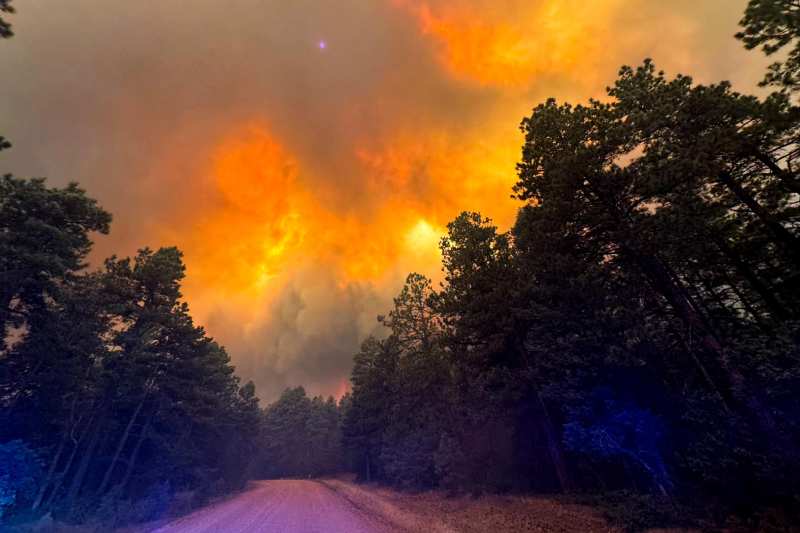


Comments