Wildfire haze forces 1.4 million Indonesian students into remote learning
Tap title to read story
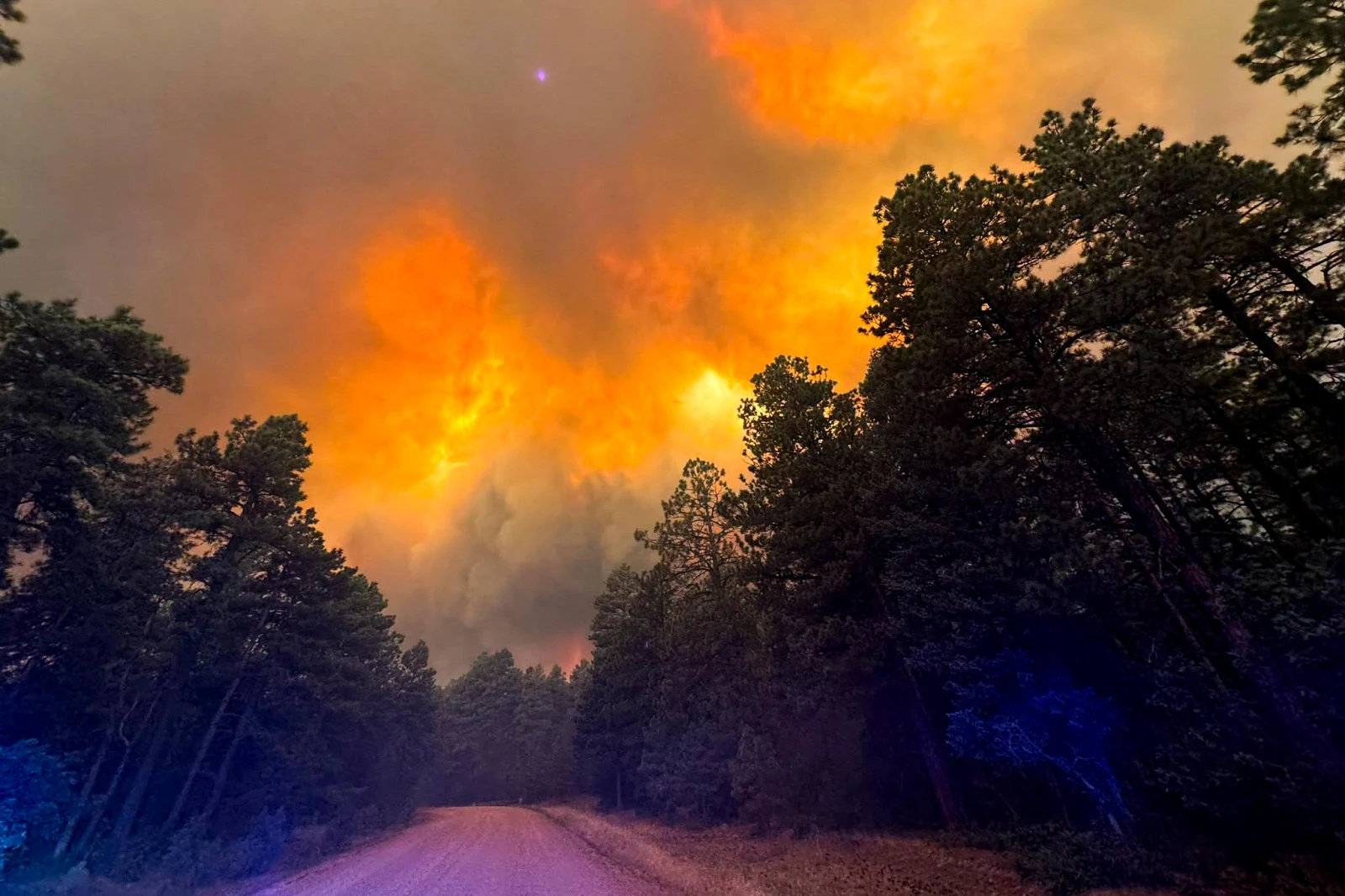
Around 1.43 million Indonesian students in six provinces shifted to remote learning by September 2 because wildfire smoke caused hazardous air pollution, according to education ministry official Gogot Suharwoto. The affected schools, numbering 12,874, are in Riau, Jambi, South Sumatra, West Kalimantan, Central Kalimantan and South Kalimantan. West Kalimantan accounts for about 1.1 million students. The remote-learning measure covers August 31 through September 4 and is subject to evaluation every three days. Officials use Indonesia’s Air Pollution Standard Index, with remote learning required when readings exceed 200. Forestry Ministry data cited by Reuters showed Southeast Pontianak recorded an index reading of 1,023 on September 2, while readings above 300 are classified as hazardous. Government data also showed about 200,000 hectares burned nationwide during January-July, including 73,310 hectares across the six priority provinces. Indonesia’s education ministry issued guidance on August 28 linking school operations to daily pollution conditions and local conditions.
Timeline
- On May 6, 2026, Indonesia strengthened national wildfire preparedness measures.
- On August 10, 2026, officials identified August-September as peak risk.
- On August 28, 2026, education ministry issued smoke-response school guidance.
- On August 30, 2026, Pekanbaru schools resumed classes as air improved.
- On August 31, 2026, remote learning began in six provinces.
- On September 1, 2026, officials warned El Niño would peak.
- On September 2, 2026, 1.43 million students studied remotely nationwide.
- On September 2, 2026, Southeast Pontianak recorded pollution index 1,023.
- By September 4, 2026, remote-learning arrangements are scheduled for evaluation.
- During September 2026, officials may extend learning if pollution persists.
- In coming months, authorities are expected to continue wildfire suppression.
- Longer term, recurring drought could increase educational disruption across Indonesia.
Sources
JQJO Editorial Desk · Human reviewed · AI assisted. Report a correction.