Michigan Air Quality Hits 616 as Wildfire Smoke Crisis Escalates
Tap title to read story
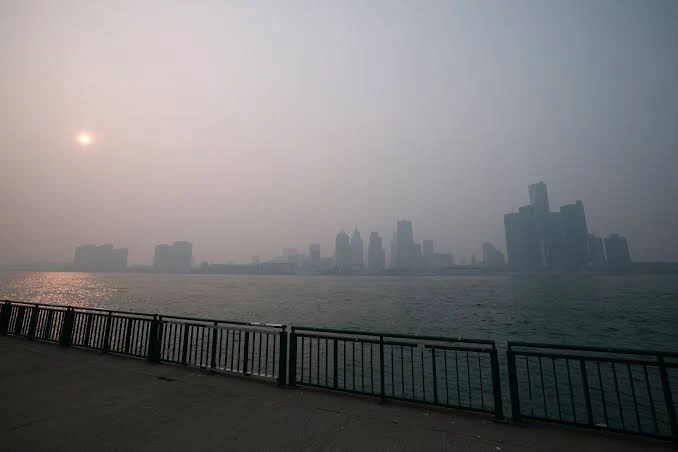
Severe wildfire smoke from Ontario, Canada, forced Michigan’s Air Quality Index to an unprecedented 616 in Grand Rapids on July 16, shattering the city's previous high of 350. Any AQI reading exceeding 301 is classified as hazardous to human health. The cross-border transport of particulate matter coated parts of the Midwest and East Coast in a murky yellow haze. Environmental health experts warn that warming conditions are intensifying wildfire frequency and smoke duration, elevating risks for respiratory and cardiovascular illnesses. Studies from 2025 and 2026 indicate that earlier snowmelts are expanding fire seasons across North America. Researchers recommend increased controlled burns to mitigate catastrophic uncontrolled fires and reduce overall particulate pollution. Public health officials urge vulnerable populations to limit outdoor exposure during extreme pollution events. No newer material development was located during the final freshness search conducted on September 1, 2026.
Timeline
- On June 28, Ontario wildfires drove Grand Rapids AQI to 616.
- On June 28, thick smoke blanketed Midwest and East Coast skies.
- On February 2026, researchers published earlier fire season studies in Alaska.
- On 2025, a study estimated global life expectancy reductions from smoke.
- On coming years, climate change will increase wildfire smoke frequency.
- On coming months, researchers expect prolonged dry vegetation conditions globally.
- On future seasons, controlled burns will reduce catastrophic wildfire fuel loads.
- On future years, health agencies will expand indoor filtration infrastructure.
- On upcoming decades, exposure risks will spread across new geographic regions.
- On upcoming summers, public health advisories will issue frequent warnings.
Sources
JQJO Editorial Desk · Human reviewed · AI assisted. Report a correction.