Australia and New Zealand Send Over 240 Firefighters to Battle U.S. Wildfires
PUBLISHED Aug 19, 2026, 4:58 AM ET
Read, Watch or Listen
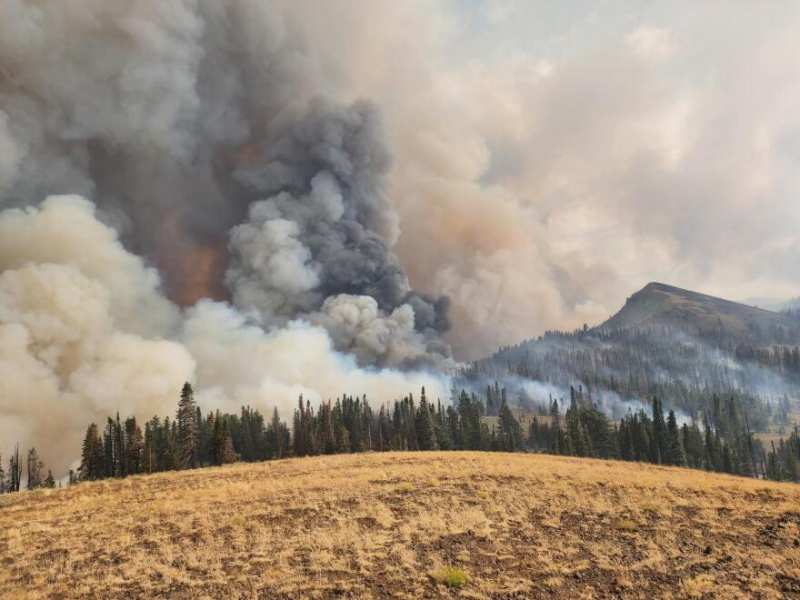
A destructive U.S. wildfire season has severely strained domestic emergency resources, prompting Australia and New Zealand to deploy over 240 firefighters. This international mobilization marks the largest contingent ever sent jointly by the two countries to assist American fire suppression operations. Federal, state, and local agencies face an escalating series of blazes that have stretched response capabilities to absolute limits across multiple regions. The overseas personnel are integrating into active incident command structures to support ground containment efforts, bolster operations, and protect threatened infrastructure. This cooperative response utilizes long-standing bilateral and multilateral agreements allowing the cross-hemispheric exchange of specialized fire management personnel during severe crisis periods. Emergency management officials indicate that extended fire seasons and extreme environmental conditions continue to challenge domestic response infrastructure, necessitating foreign reinforcement to maintain adequate coverage across simultaneous large-scale incidents. Ground operations, containment lines, and resource distribution remain active as international crews join local and federal responders in the field.
By Sarah Whitman | JQJO News
Timeline of Events
- On July 24, 2026, formal requests for international wildfire support were finalized.
- On August 11, 2026, waves of foreign wildfire personnel arrived for deployment.
- On August 19, 2026, total international firefighter deployment surpassed two hundred forty.
- On August 20, 2026, international crews integrated into active U.S. incident commands.
- On August 22, 2026, joint ground operations expanded across multiple western state regions.
- On August 25, 2026, logistics teams evaluated ongoing containment line efficiency and safety.
- On September 1, 2026, mid-season resource assessments will measure total foreign operational impact.
- On October 15, 2026, seasonal weather shifts are anticipated to reduce active blazes.
- On November 30, 2026, deployed international personnel will complete missions and return home.
- On January 15, 2027, bilateral agencies will review cross-hemispheric agreements for future seasons.
News Intelligence
- Immediate US impact: Immediate U.S. impact provides crucial relief for overextended firefighting personnel.
- Possible long-term US impact: Long-term U.S. impact institutionalizes cross-hemispheric resource sharing for severe seasons.
- Most affected groups: Most affected groups include western state communities, local agencies, and firefighters.
- Reader Priorities: Readers should prioritize updates from official emergency management and national centers.
- Articles Published:
- 31
- Right Leaning:
- 1
- Left Leaning:
- 5
- Neutral:
- 25
- Distribution:
- Left 16%, Center 81%, Right 3%
Left: Highlighted climate change drivers and international resource sharing partnerships. Center: Emphasized logistical facts, deployment numbers, and operational coordination efforts. Right: Focused on domestic resource strains and emergency management agency capabilities.
National public broadcasters reported record international firefighter deployments on August 19. https://knpr.org/2026-08-19/australia-and-new-zealand-send-over-240-firefighters-to-help-battle-u-s-wildfires
Coverage of Story:
From Left
Strained US firefighting resources welcome international backup from Down Under
CNN The New York Times The Guardian Los Angeles Times San Francisco ChronicleFrom Center
Australia and New Zealand Send Over 240 Firefighters to Battle U.S. Wildfires
NPR NPR WLRN National Interagency Fire Center Wildfire Today KERA News WXXI News WKNO FM Nevada Public Radio ABC News Reuters Associated Press The Washington Post USA Today Bloomberg Wall Street Journal NBC News CBS News ABC News Australia RNZ BBC News Politico The Hill The Denver Post AccuWeather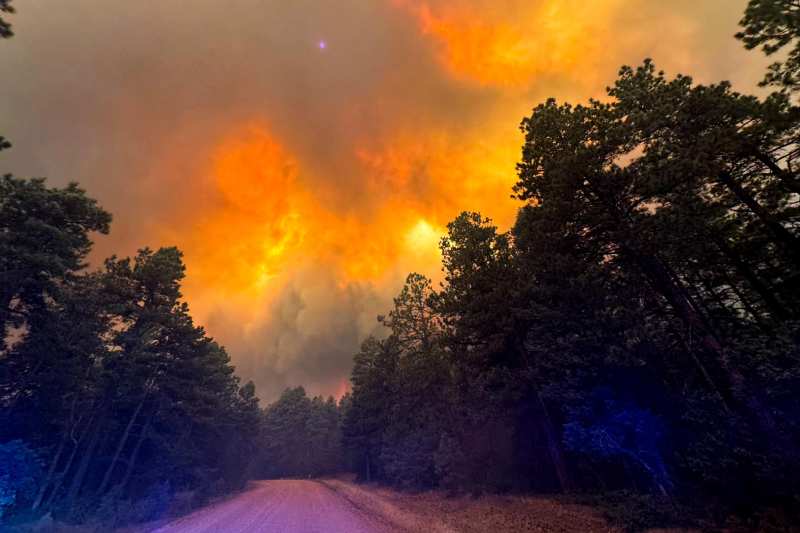



Comments