U.S. and Canada Race for Last-Minute Deal to Avert 50% Tariffs
Read, Watch or Listen
The United States and Canada are holding intensive negotiations to finalize a bilateral trade agreement aimed at averting 50% punitive tariffs on Canadian imports set to take effect at 12:01 a.m. EDT on August 19, 2026. President Donald J. Trump signed three Section 338 proclamations under the Tariff Act of 1930 on July 20, citing Canadian trade policies on dairy, alcohol, and motor vehicles. Section 338 allows ad valorem duties up to 50% on goods from nations discriminating against U.S. commerce. The tariffs apply to nearly $20 billion in trade, including cement, wine, and hockey sticks, regardless of USMCA qualification. Proposed compromises involve Canadian tariff concessions and commitments on energy, defense, and critical minerals in exchange for the White House shelving Section 338 levies and lowering national security tariffs on steel and aluminum. Neither the Office of the U.S. Trade Representative nor Global Affairs Canada has released official text.
Prepared by Christopher Adams and reviewed by editorial team.
Timeline of Events
- On June 15, 2026 (09:00 EDT) U.S. issued formal warnings regarding Canadian tariff rate quotas.
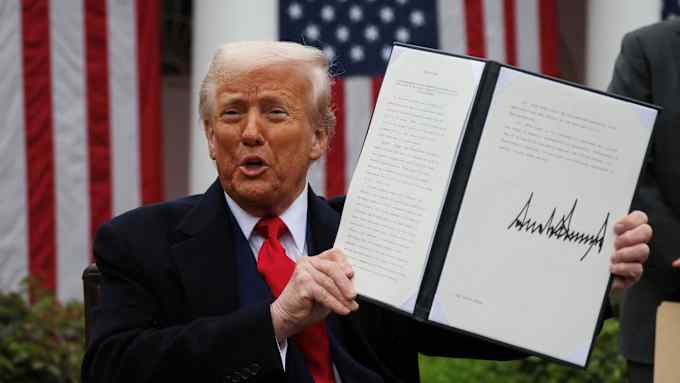
- On July 20, 2026 (14:30 EDT) President Trump signed three Section 338 proclamations imposing tariffs.
- On July 21, 2026 (10:00 CDT) U.S. and Mexico began USMCA review in Mexico.
- On July 22, 2026 (11:00 EDT) Canadian Prime Minister Mark Carney convened meeting with provincial premiers.
- On August 1, 2026 (09:00 EDT) Bilateral technical negotiating teams convened talks in Washington, D.C.
- On August 12, 2026 (16:00 EDT) Canadian forest sector published economic exposure estimates to tariffs.
- On August 14, 2026 (18:00 EDT) U.S. and Canadian negotiators held late-night trade discussions.
- On August 15, 2026 (16:43 PKT) No newer material development was located during final freshness search.
- By August 19, 2026 both sides must finalize pact or implement 50% duties.
- By September 2026 cross-border trade flows will adjust to negotiated framework.
News Intelligence
- Immediate US impact: Imminent 50% tariffs threaten cross-border manufacturing supply chain stability.
- Possible long-term US impact: Long-term deal could reshape North American defense, energy, and trade.
- Most affected groups: U.S. importers, Canadian exporters, auto manufacturers, forest product producers.
- Reader priority: Prioritize primary government releases over unverified social media claims.
- Articles Published:
- 31
- Right Leaning:
- 6
- Left Leaning:
- 5
- Neutral:
- 20
- Distribution:
- Left 16%, Center 65%, Right 19%
Left: Tariffs harm consumer prices and strain historic diplomatic supply chains. Center: Talks focus on resolving cross-border trade disputes via compromises. Right: Section 338 pressure forces Canada to address unfair trade barriers.
President Donald Trump signed three proclamations under Section 338 on July 20, 2026 at 14:30 EDT. https://www.whitehouse.gov/fact-sheets/2026/07/fact-sheet-president-donald-j-trump-imposes-additional-tariffs-on-canada/
Coverage of Story:
From Left
U.S.-Canada trade impasse threatens border supply chains ahead of tariff deadline
The Washington Post CBC News CNN Toronto Star The American ProspectFrom Center
U.S. and Canada Race for Last-Minute Deal to Avert 50% Tariffs
The Washington Post Reuters Associated Press Bloomberg News The Globe and Mail CNBC Politico Financial Times BBC News US News & World Report MarketWatch International Business Times USA Today Defense News BNN Bloomberg The Hill Axios Business Insider Trade Winds News Legal TimesFrom Right
Trump administration leverages Section 338 to force Canadian concessions
The Wall Street Journal Financial Post Fox Business National Post National Review Epoch Times





Comments