Trump Tariffs Shock: US 'Dark Matter' Trade Advantage Vanishes
PUBLISHED Aug 14, 2026, 6:50 PM ET
Read, Watch or Listen
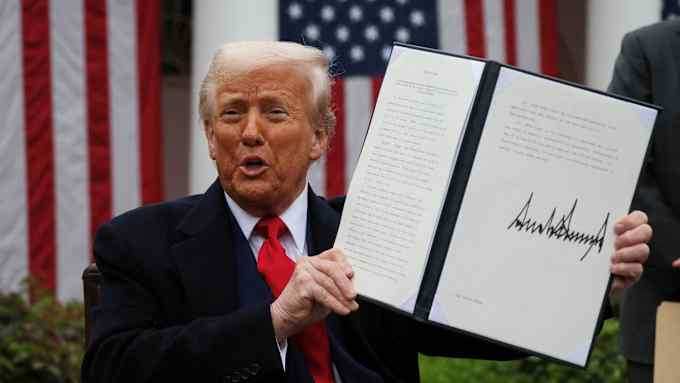
The United States has experienced a historic erosion of its long-standing financial advantage from global investments, according to data from the Bureau of Economic Analysis. For decades, the nation maintained an exorbitant privilege, borrowing cheaply abroad while earning higher returns on foreign assets to offset trade deficits. However, normalization of interest rates and massive international liabilities have caused net investment income to narrow significantly. Recent administrative tariff increases aimed at curbing trade imbalances failed to shrink the current account deficit, which remained near one trillion dollars. Economists note that persistent fiscal deficits driven by lower national savings continue to offset tariff impacts. Although the economy retains structural strengths through intellectual property and global brands, rising debt servicing costs mark a fundamental structural turning point. This dynamic shifts traditional economic assumptions regarding America's cost of borrowing, impacting future fiscal strategies, capital flows, and international trade policy management worldwide
By Ayesha A. | JQJO News
Timeline of Events
- On January 15, 1976, accumulated current account deficits began tracking specific long-term financing patterns.
- On December 31, 2024, the net international investment position dropped sharply to a negative record.
- On March 25, 2025, economic analysts noted ongoing shifts in quarterly international transaction account balances.
- On December 31, 2025, annual current account deficits remained near historical highs at roughly $1.18 trillion.
- On June 24, 2026, Bureau of Economic Analysis data confirmed Q1 net investment liabilities at negative levels.
- On August 15, 2026, financial reports highlighted the structural erosion of America's traditional trade advantage.
- In coming months, federal policymakers will evaluate ongoing tariff effectiveness against persistent national savings gaps.
- Throughout late 2026, foreign debt servicing obligations will likely place renewed pressure on federal budgets.
- By 2027, higher baseline interest rates will permanently alter how international investment income is calculated.
- In future years, sustained fiscal adjustments may redefine the global standing of United States financial assets.
News Intelligence
- Higher debt servicing costs immediately pressure federal budgets and markets.
- Persistent current account deficits will reshape long-term international capital flows.
- Federal policymakers, multinational corporations, institutional investors, and international creditors face adjustments.
- Monitor official Bureau of Economic Analysis reports and primary financial datasets.
Coverage of Story:
From Left
No left-leaning sources found for this story.
From Center
America's balance sheet reality check highlights the cost of higher rates
Reuters Ft Bloomberg Project Syndicate Ceicdata Stlouisfed Bea The Hill Businessinsider Forbes Foreignaffairs Brookings AP News Bloomberg Reuters Albayan Foxbusiness CNN Institutionalinvestor Barrons Marketwatch Project Syndicate Reuters The New York Times YahooFrom Right
Tariffs Fail to Close Trade Gap as National Savings Rate Stagnates
The Wall Street Journal






Comments