Fed Rate Cut Hopes Fade as Inflation Hits 3.4%, Powell Signals Pause
PUBLISHED Aug 14, 2026, 6:22 PM ET
Read, Watch or Listen
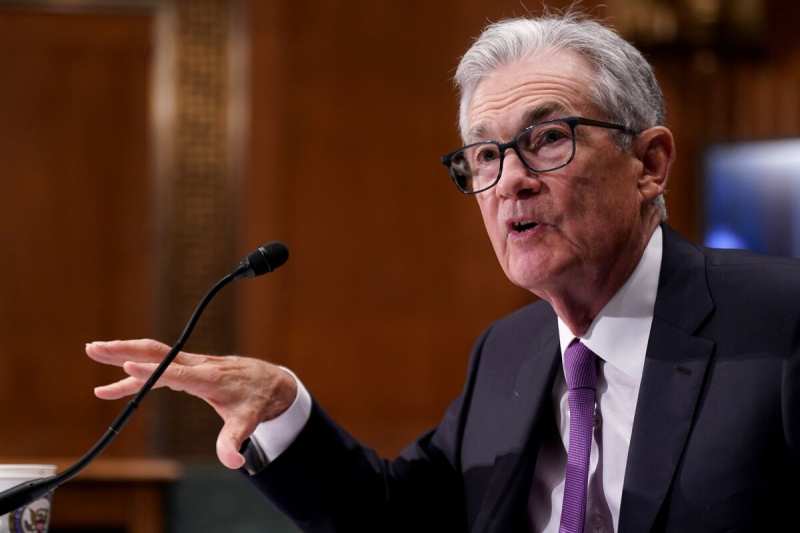
U.S. inflation increased modestly in July, with prices rising 0.1% from June and 3.4% over the year, the Bureau of Labor Statistics reported Wednesday. The annual rate eased from 3.5% in June, while core inflation, excluding food and energy, rose 0.2% monthly and 2.5% annually. Shelter costs increased 0.1% and accounted for roughly two-thirds of July’s increase, while energy prices fell 1.5%. Food prices rose 0.1% and remained 3% higher than a year earlier. The report matched economist expectations and offered limited evidence of accelerating inflation. Markets reduced expectations for a September Federal Reserve rate increase, although inflation remains above the Fed’s 2% target. Chairman Kevin Warsh has emphasized price stability, while policymakers face competing concerns from inflation and weaker employment. JPMorgan expects a December hike, but September remains uncertain. CPI report and employment data will arrive before the September meeting.
By Sidra | JQJO News
Timeline of Events
- On July 14, 2026, BLS reported June inflation fell 0.4%.
- On June 17, 2026, Fed officials maintained rates amid inflation.
- On July 1, 2026, Warsh reaffirmed commitment to two-percent inflation.
- On July 29, 2026, Fed held rates at 3.50%-3.75%.
- On July 30, 2026, JPMorgan moved its hike forecast forward.
- On August 7, 2026, July jobs data showed unexpected losses.
- On August 12, 2026, BLS reported July CPI increased 0.1%.
- On August 12, 2026, annual CPI eased from 3.5% to 3.4%.
- On August 13, 2026, producer prices remained flat, easing expectations.
- On August 14, 2026, markets priced roughly one-third September hike probability.
- September may bring Fed hold if inflation and employment soften.
- August inflation could rise if higher energy prices persist nationwide.
- Late 2026 could bring tightening if inflation reaccelerates materially again.
- Rate cuts may remain unlikely until inflation approaches two percent.
News Intelligence
- Immediate US impact: Borrowing costs remain elevated as inflation eases slightly.
- Possible long-term US impact: Persistent inflation could delay cuts and restrain growth.
- Reader priority: Readers should prioritize BLS data, Fed statements, and market pricing.
- Most Affected: Households, renters, borrowers, businesses, investors, Federal Reserve policymakers.
Coverage of Story:
From Center
Cooler inflation data may force Warsh's divided Fed to hold the line on rates
Investing The Wall Street Journal Politico Yahoo Org Handelsblatt Morningstar The Hill Investing Economictimes Kucoin Wealthprofessional Sbs Forex Bitmart Edgen Edgen Edgen Thehindubusinessline Bingx Pluang Marketscreener Barrons






Comments