Marshall Islands rocket to rescue NASA Swift telescope
PUBLISHED Jun 28, 2026, 10:31 AM ET
Read, Watch or Listen
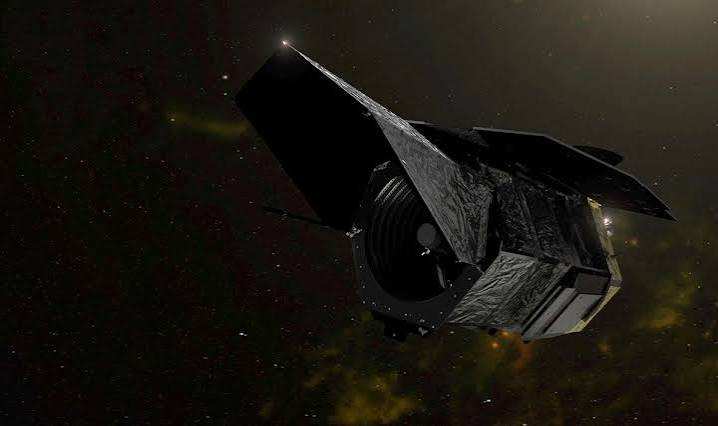
NASA is preparing a $30 million robotic servicing mission to prevent its aging Swift Observatory from reentering Earth’s atmosphere, using an air-launched Pegasus rocket from the Marshall Islands as early as Tuesday. The agency has contracted startup Katalyst Space Technologies, whose autonomous spacecraft, called Lift, will rendezvous with Swift, grapple it using three robotic arms, and gradually boost the telescope from about 224 miles to roughly 373 miles in altitude. Swift, launched in 2004 to study gamma-ray bursts, could otherwise drop below 185 miles by October. If the three‑month operation succeeds, Swift may resume full scientific operations by September. The mission could also demonstrate techniques relevant to a future Hubble Space Telescope rescue.
By Neha R. | JQJO News
Timeline of Events
- 2004 Swift launched to study gamma-ray bursts
- Recent months Solar activity accelerates Swift orbital decay
- As early as Tuesday Pegasus rocket to launch Lift
- About one month Lift to rendezvous with Swift
- Following two months Lift to raise Swift orbit
- By September Swift expected to resume observations
- By October Swift otherwise risks deorbit threshold
- In coming years Katalyst targeting potential Hubble servicing
News Intelligence
- This mission is about more than saving Swift. It's about pioneering techniques that could rescue other aging satellites, like the Hubble Space Telescope. That means more scientific discoveries and better understanding of our universe. You can follow the mission's progress on NASA's website.


Comments