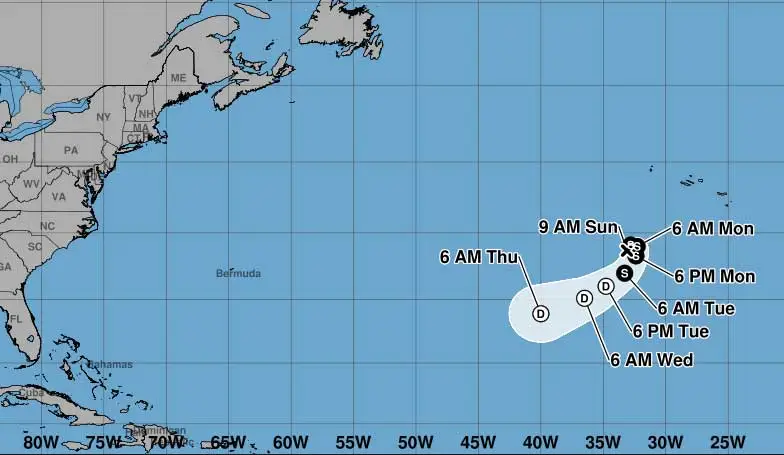
Tropical Storm Fay Forms in Atlantic
Tap title to read story
0:00 / 1:03

Tap title to read story

Tap title to read story

Tap title to read story
Tap title to read story
Alaskans are preparing to vote on a contentious ballot measure that could repeal the state's pioneering ranked-choice voting and top-four open primary system. Established by voters via a narrow initiative in 2020, the electoral framework faces a renewed challenge following a high-profile legislative and primary season. Proponents of the repeal argue the system is unnecessarily complex and diminishes political party accountability. Conversely, opponents emphasize that abandoning the model would disenfranchise independent voters, return power to partisan party wings, and roll back crucial campaign finance disclosure laws. The upcoming November 3, 2026, referendum marks the second consecutive election cycle Alaskans have faced a direct vote on the issue, following a remarkably close defeat of a similar repeal effort in 2024. As one of the earliest adopters of statewide ranked-choice voting, Alaska remains a critical bellwether for alternative voting reforms nationwide, drawing intense national interest, financial backing, and legal scrutiny from both reform advocates and traditional political organizations.

Tap title to read story

Tap title to read story

Tap title to read story
Tap title to read story

Tap title to read story
Tap title to read story
Facing a sequence of high-profile legal setbacks, judicial blocks on executive actions, and growing political friction ahead of upcoming midterm elections, President Donald Trump escalated his public attacks against the news media. The administration implemented measures barring specific critical news organizations from White House access and intensified pressure on reporters. This response reflects a recurring political strategy designed to externalize blame, rally core supporters against perceived institutional bias, and divert public attention away from unfavorable political and judicial realities. By framing independent journalism as a political adversary, the administration seeks to regain narrative control over its policy agenda. Critics argue these restrictions threaten constitutional protections regarding freedom of the press and deepen national polarization. Independent legal analysts anticipate immediate court challenges to the press credential restrictions, setting the stage for protracted judicial battles over executive authority and information access.