Climate Super-Pollutant from China’s Electric Grid Is Cooking the Planet
Tap title to read story
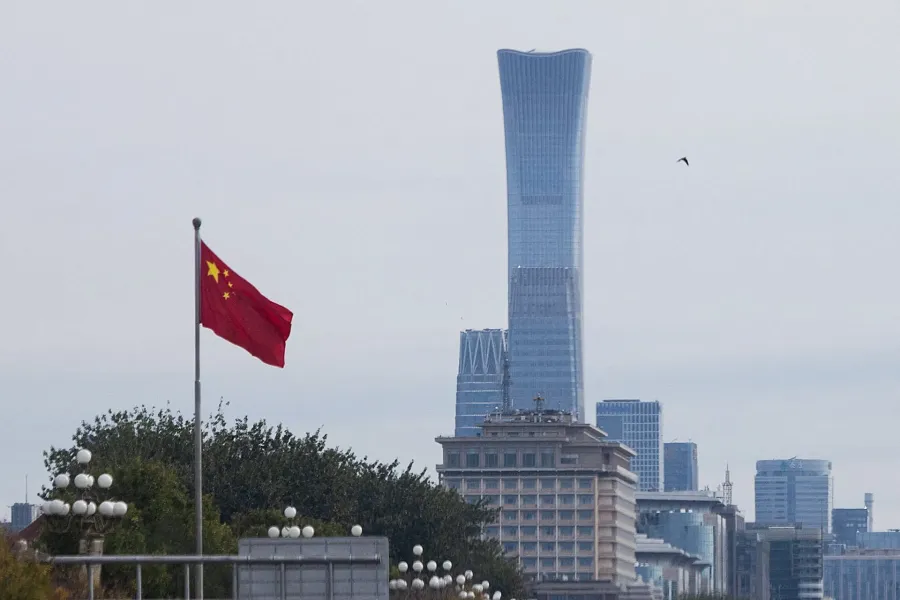
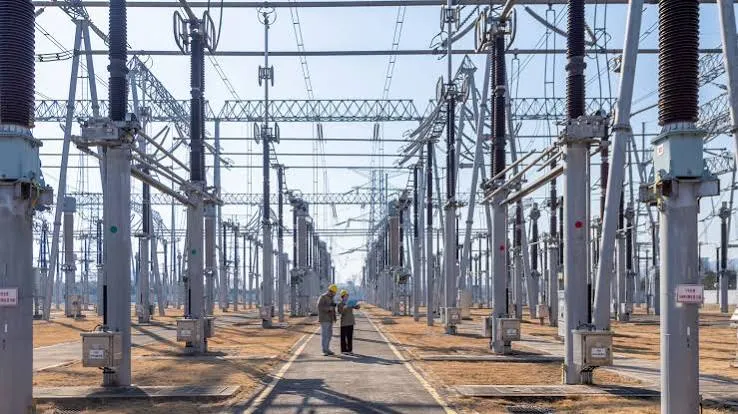
China leads global renewable energy expansion, yet its power sector emits vast quantities of sulfur hexafluoride, the worlds most potent greenhouse gas. Used extensively in high-voltage electrical equipment for insulation, sulfur hexafluoride possesses a global warming potential 24,300 times greater than carbon dioxide and persists in the atmosphere for a millennium. State-owned transmission infrastructure growth drove Chinese emissions of the gas to 5,100 metric tons in 2021, accounting for more than half of worldwide releases. Analysts report that maintenance procedures often vent the chemical directly into the air instead of capturing and recycling it due to insufficient regulatory enforcement. Although domestic researchers warned of environmental risks beginning in 2014, regulatory frameworks remain largely absent across state-run power operators. Experts indicate that expanding capture and recycling protocols would require minimal capital relative to broader grid investments, presenting an immediate mitigation pathway for policymakers.
More context
Timeline
- On January 1, 2014, government researchers issued early warnings regarding environmental risks.
- On January 1, 2011, emissions monitoring tracked initial rapid growth in infrastructure.
- On December 31, 2021, annual sulfur hexafluoride emissions reached 5,100 metric tons.
- On January 1, 2022, studies highlighted low recycling rates among transmission operators.
- On January 1, 2023, grid expansion projects accelerated high-voltage equipment deployment nationwide.
- On January 1, 2024, industry analysts documented persistent venting during routine maintenance cycles.
- On January 1, 2025, environmental groups urged stricter oversight of state transmission utilities.
- On September 20, 2026, research emphasized ongoing gaps in regulatory enforcement mechanisms.
- On September 20, 2026, industry observers tracked potential green transition policy updates.
- On September 20, 2026, stakeholders evaluated upcoming proposals for mandatory recycling protocols.
Why it matters
Immediate US impact: Increased global atmospheric accumulation heightens international climate mitigation pressures. Possible long-term US impact: Accelerated global warming complicates domestic emissions reduction targets permanently. Most affected groups: Global climate policymakers, energy sector operators, and environmental researchers. Reader priority: Prioritize verified scientific assessments and official regulatory announcements.
Coverage notes
Left: Emphasizes urgent regulatory intervention and strict corporate environmental accountability measures. Center: Focuses on technical data regarding emissions and mitigation feasibility. Right: Highlights economic impacts of green regulations on state industries.
Primary report
Research report detailed sulfur hexafluoride emissions from Chinas grid.
Sources
- Inside Climate News
- New York Times
- Time
- San Francisco Chronicle
- The Independent
- Reuters
- Bloomberg
- Associated Press
- Smart Energy International
- Fluorspar Market Analysis
- E-Scholarship Research Repository
- Financial Times
- Washington Post
- Politico
- Japan Times
- Newsweek
- Bloomberg Green
- Reuters Sustainable Switch
- AP Climate Spotlight
- Axios
- Quartz
- The Hill
- Chicago Tribune
- Houston Chronicle
- Caspian News
- Euronews
- The Straits Times
- Bangkok Post
- CBC News
- Wall Street Journal
- Forbes
JQJO Editorial Desk · Human reviewed · AI assisted. Report a correction.