Trump Faced Loss After Loss. He Then Turned to a Familiar Target: The Press.
Tap title to read story
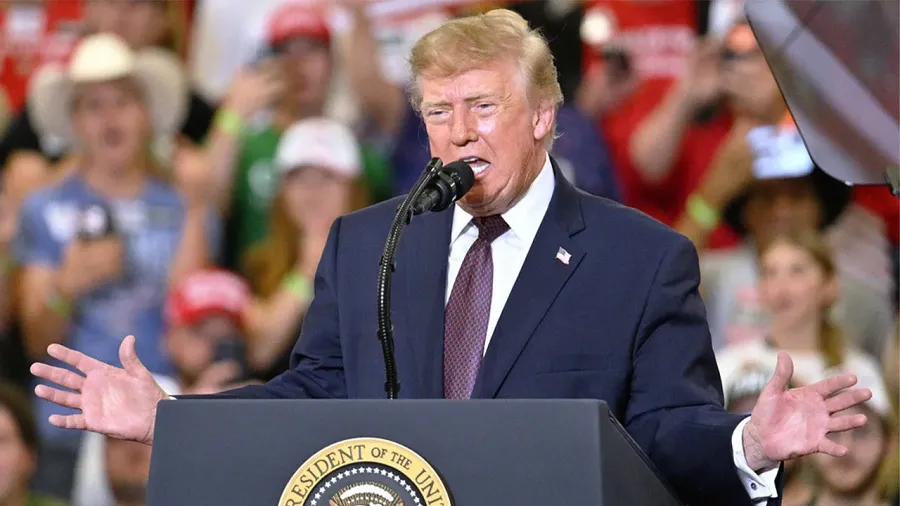
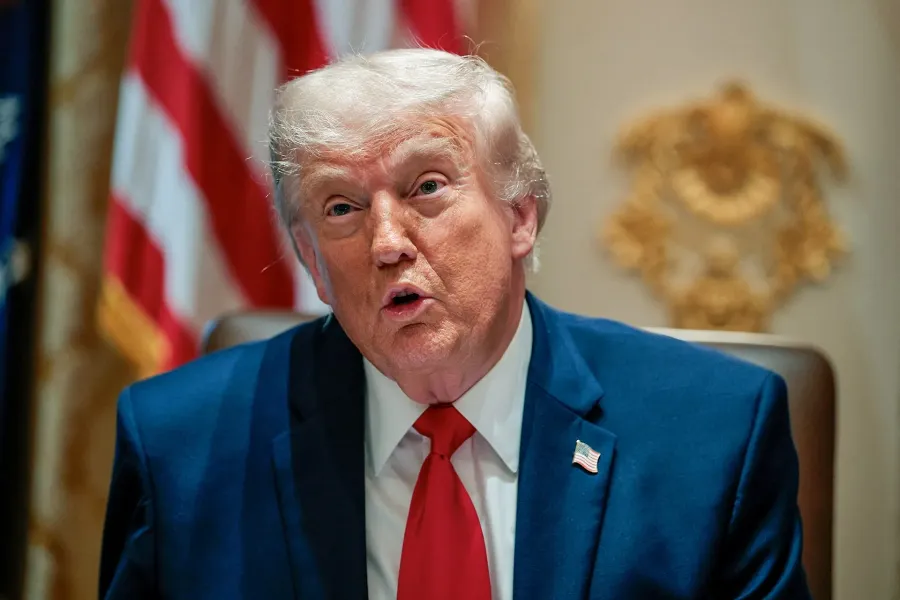
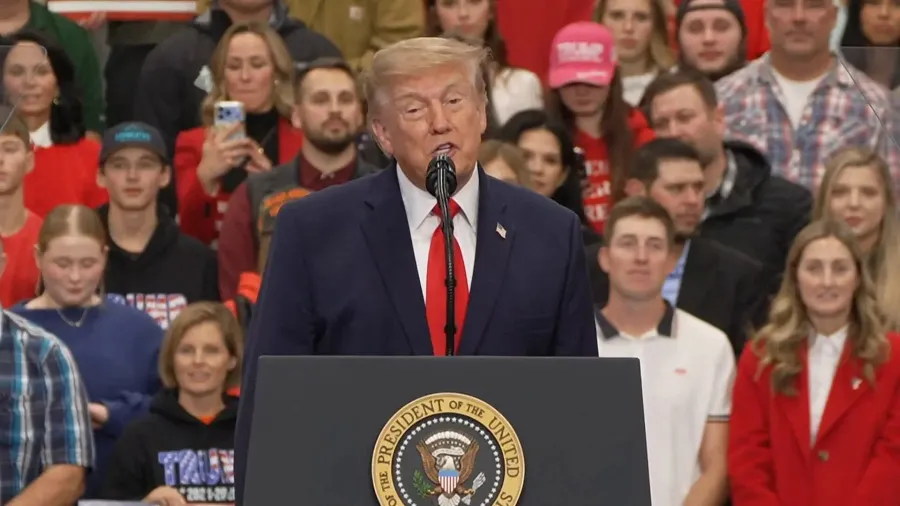
Facing a sequence of high-profile legal setbacks, judicial blocks on executive actions, and growing political friction ahead of upcoming midterm elections, President Donald Trump escalated his public attacks against the news media. The administration implemented measures barring specific critical news organizations from White House access and intensified pressure on reporters. This response reflects a recurring political strategy designed to externalize blame, rally core supporters against perceived institutional bias, and divert public attention away from unfavorable political and judicial realities. By framing independent journalism as a political adversary, the administration seeks to regain narrative control over its policy agenda. Critics argue these restrictions threaten constitutional protections regarding freedom of the press and deepen national polarization. Independent legal analysts anticipate immediate court challenges to the press credential restrictions, setting the stage for protracted judicial battles over executive authority and information access.
Facing a sequence of high-profile legal setbacks, judicial blocks on executive actions, and growing political friction ahead of upcoming midterm elections, President Donald Trump escalated his public attacks against the news media. The administration implemented measures barring specific critical news organizations from White House access and intensified pressure on reporters. This response reflects a recurring political strategy designed to externalize blame, rally core supporters against perceived institutional bias, and divert public attention away from unfavorable political and judicial realities. By framing independent journalism as a political adversary, the administration seeks to regain narrative control over its policy agenda. Critics argue these restrictions threaten constitutional protections regarding freedom of the press and deepen national polarization. Independent legal analysts anticipate immediate court challenges to the press credential restrictions, setting the stage for protracted judicial battles over executive authority and information access.
More context
Timeline
- On January 20 2017 Donald Trump assumed the United States presidency.
- On November 7 2018 Jim Acosta faced temporary press credential suspension.
- On June 15 2020 Supreme Court ruled on workplace discrimination protections.
- On January 6 2021 Capitol riot occurred following election dispute claims.
- On November 8 2022 midterm elections shifted congressional balance of power.
- On March 15 2024 federal judges blocked several executive agency actions.
- On June 10 2025 legal defeats accumulated across various federal courts.
- On September 18 2026 administration officials barred critical journalists from briefings.
- On September 19 2026 media associations condemned White House press credential restrictions.
- On September 20 2026 legal experts prepared First Amendment lawsuits against restrictions.
- Legal challenges will likely reach federal appellate courts in coming months.
Why it matters
Immediate US impact: Executive press restrictions trigger intense constitutional debate nationwide. Possible long-term US impact: Judicial rulings will redefine presidential authority over media access. Most affected groups: White House reporters, media organizations, political analysts, and voters. Reader priority: Verify official statements and monitor legal filings on press freedom.
Coverage notes
Left: Framing emphasizes authoritarian threats to constitutional press freedom rights. Center: Framing reports policy clashes and legal challenges with objective neutrality. Right: Framing highlights justified pushback against biased institutional media attacks.
Primary report
White House administration bars critical journalists from press briefing room.
Sources
JQJO Editorial Desk · Human reviewed · AI assisted. Report a correction.