Iran launches drone and missile attacks on Bahrain, Kuwait
Read, Watch or Listen
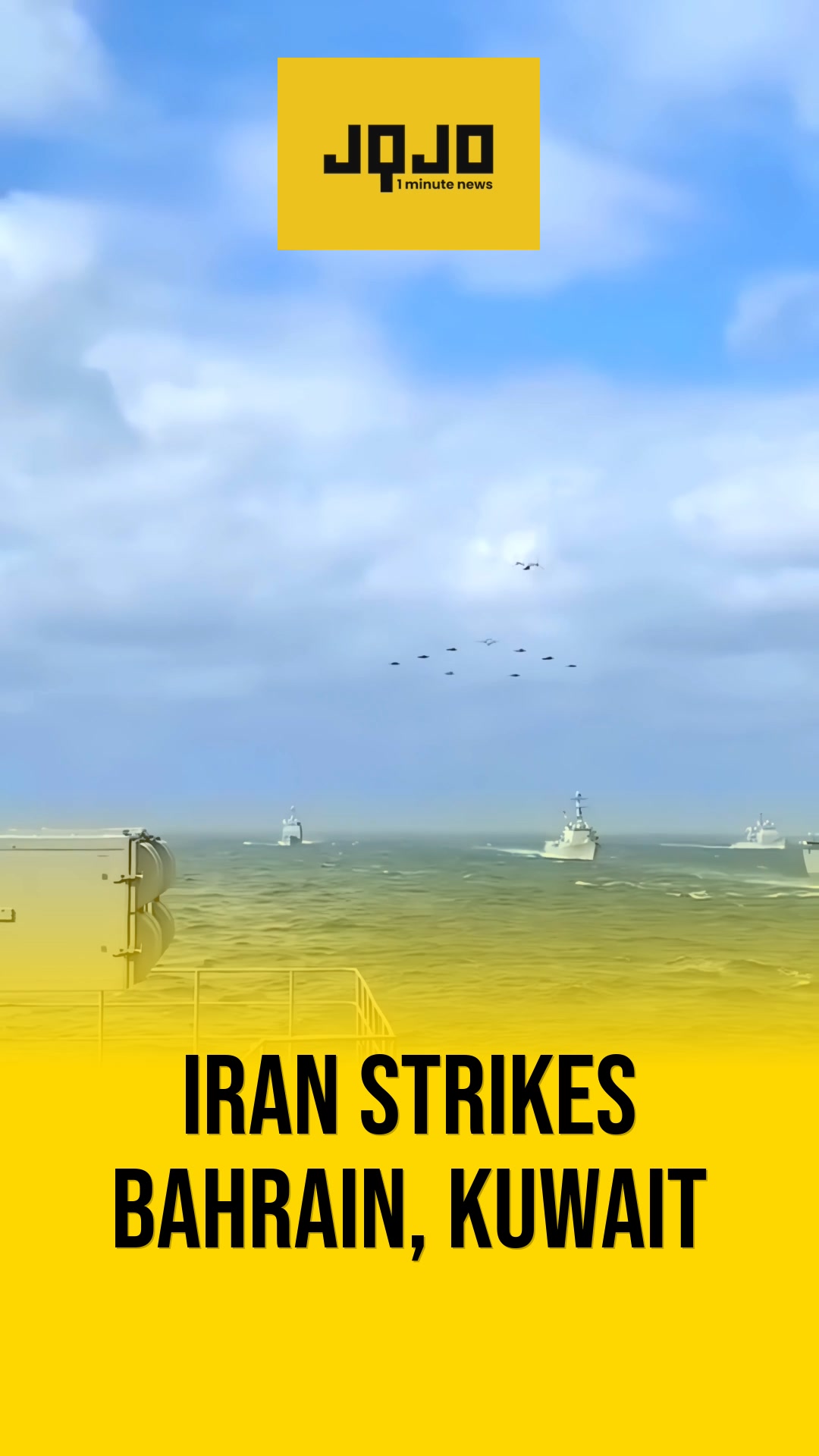
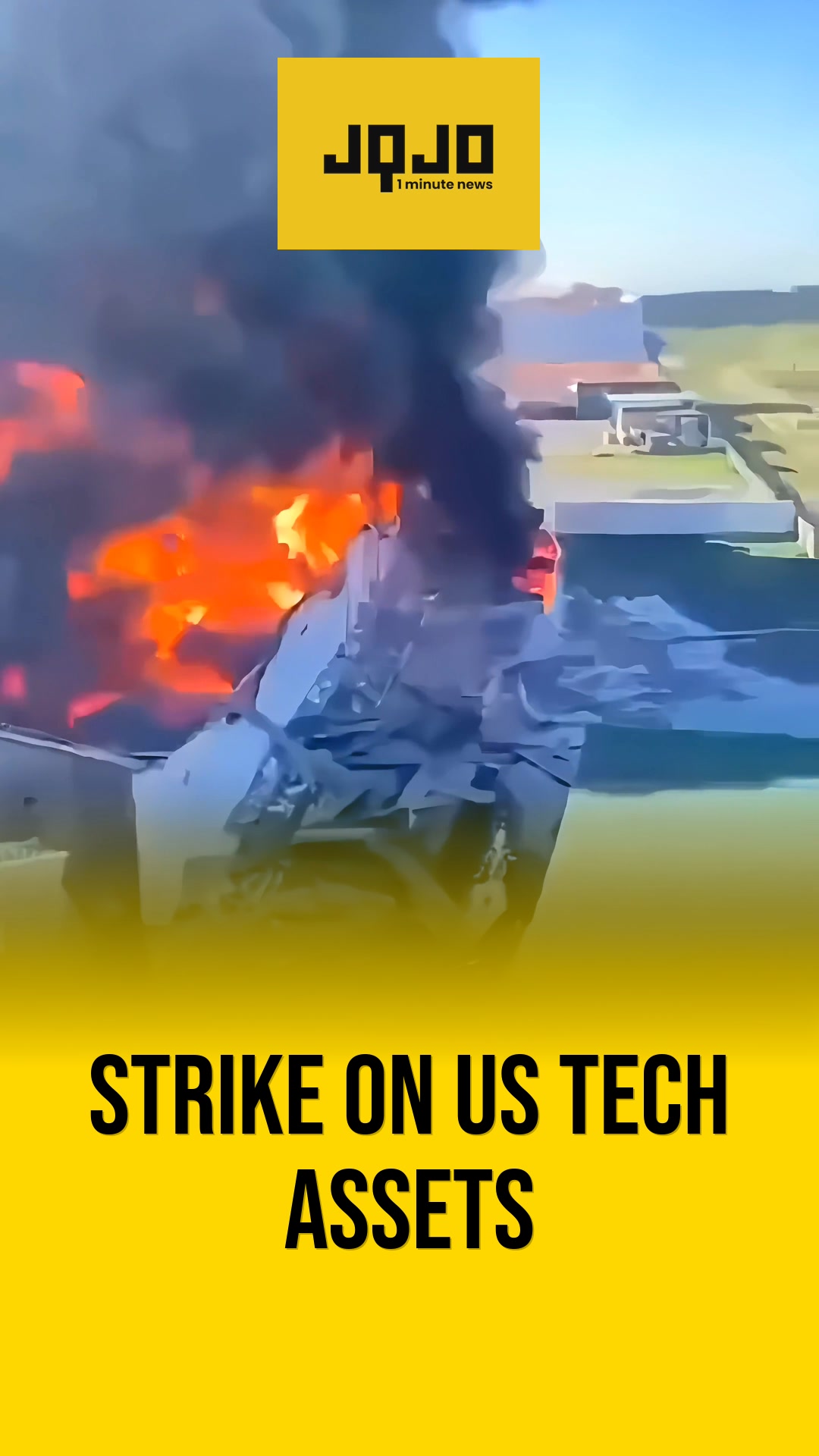
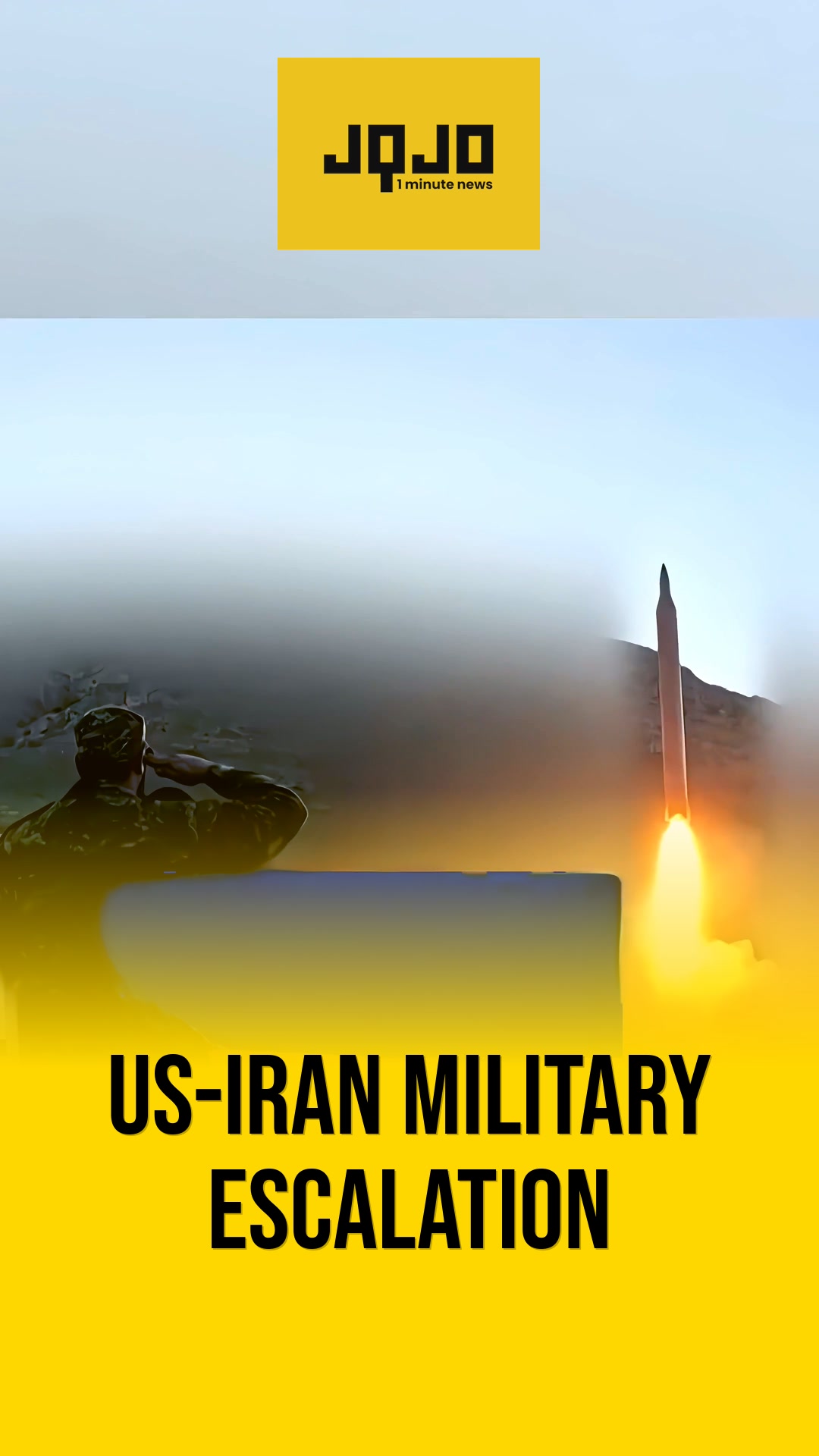
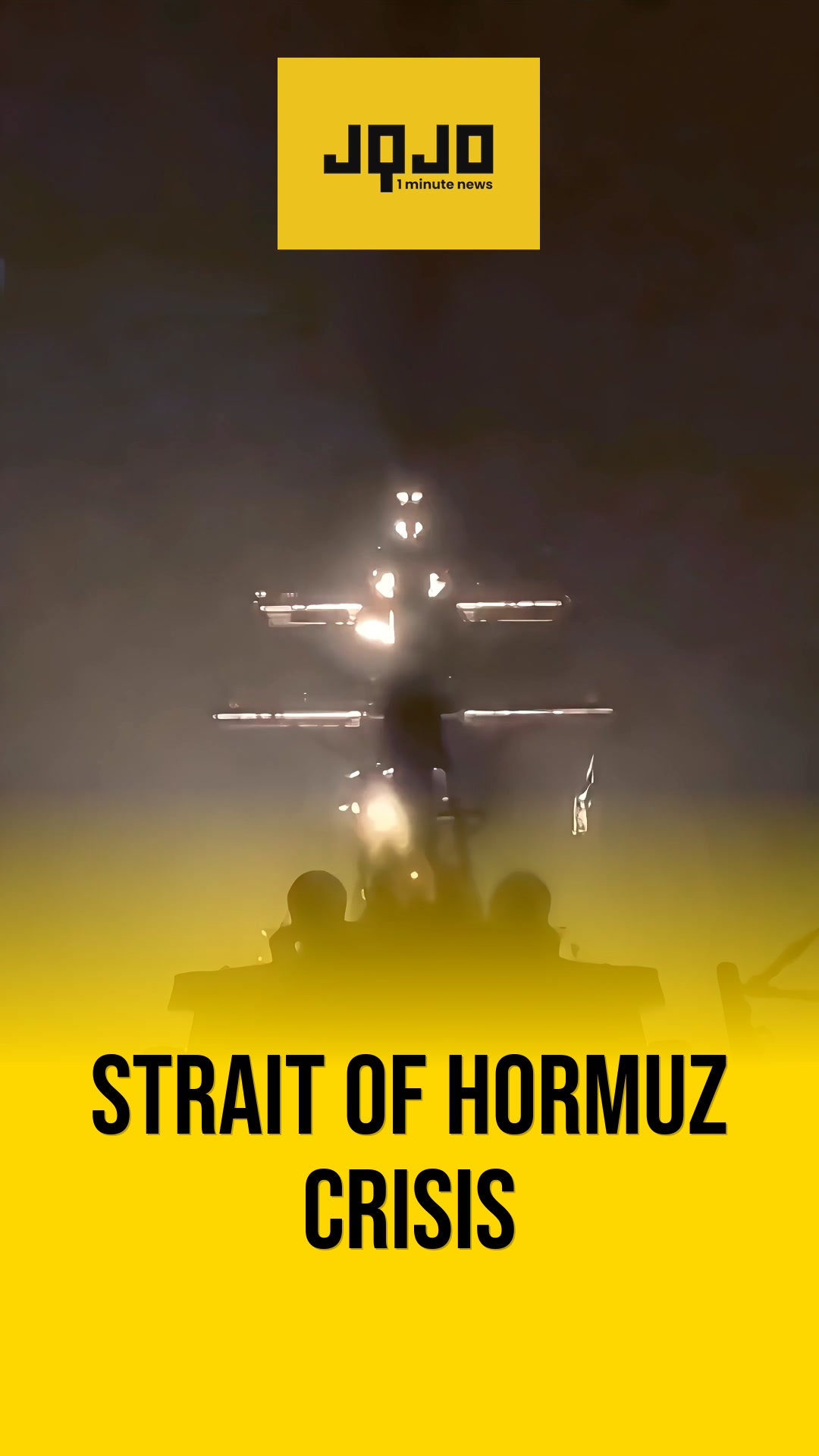
Iran on Sunday launched drone and missile attacks targeting Bahrain and Kuwait, which Iranian officials described as retaliation for recent U.S. airstrikes on the Islamic Republic. The strikes came after Bahrain said that Iranian drones hit its territory on Saturday, following U.S. retaliatory attacks on Iranian positions tied to an earlier strike on a cargo vessel in the Strait of Hormuz. U.S. Central Command confirmed that U.S. forces carried out additional strikes on Iranian targets on Sunday local time, extending a cycle of attacks and counterattacks in the region. The developments underscored the growing tension between Tehran and Washington as they try to manage both military and diplomatic tracks. Iran on Sunday also warned that a continued U.S. military campaign could trigger a “complete halt” to negotiations aimed at ending the war, signaling that further American strikes may jeopardize fragile diplomatic efforts. Officials on both sides remain divided over key elements of their memorandum of understanding, including who controls access to the Strait of Hormuz and how Iran can use its unfrozen funds. In remarks on Saturday, President Donald Trump said the U.S. military would “complete the job” if Iran did not comply with the ceasefire terms, highlighting the gap between the stated goals of de-escalation and the ongoing exchange of threats and military action.
Prepared by Rachel Morgan and reviewed by editorial team.
Timeline of Events
- Earlier this week, cargo vessel attacked
- Saturday, United States launches retaliatory strikes
- Saturday, Bahrain reports being hit by drones
- Sunday, Iran fires drones and missiles
- Sunday, U.S. Central Command confirms new strikes
- Sunday, Iran threatens halt to negotiations
- Same day, dispute over strait control continues
Why This Matters to You
This conflict could impact global oil prices. The Strait of Hormuz is a major oil route. If access gets restricted, gas prices may rise. Keep an eye on your local gas prices.
The Bottom Line
Tensions between the U.S. and Iran are escalating. This could disrupt peace talks and affect global oil flow. It's a complex situation with no easy solutions. Worth forwarding if you know someone who's watching their budget closely.
Coverage of Story:
From Left
No left-leaning sources found for this story.
From Right
No right-leaning sources found for this story.


Comments