Iran closes Strait of Hormuz after US missile strikes
Read, Watch or Listen
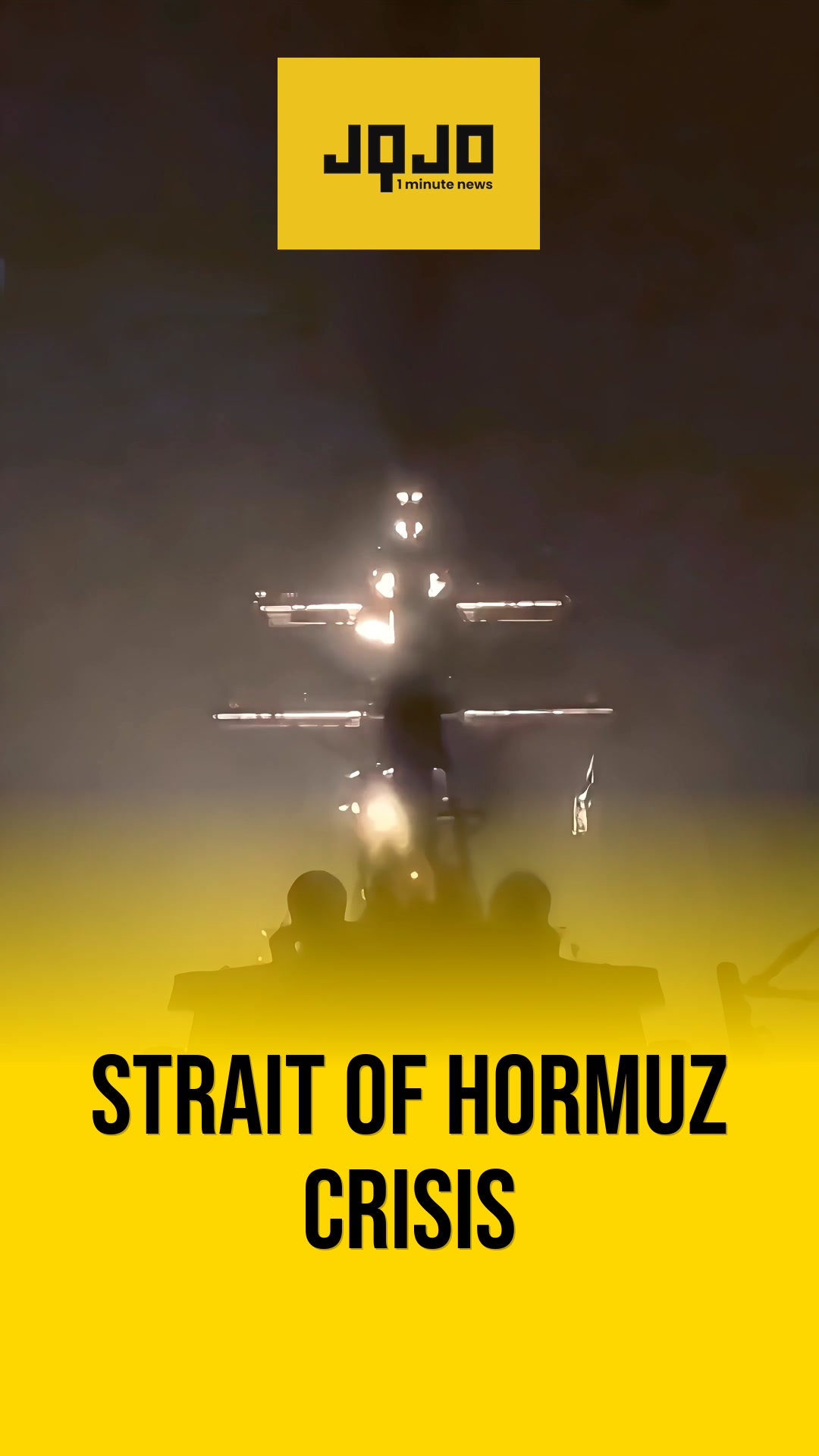
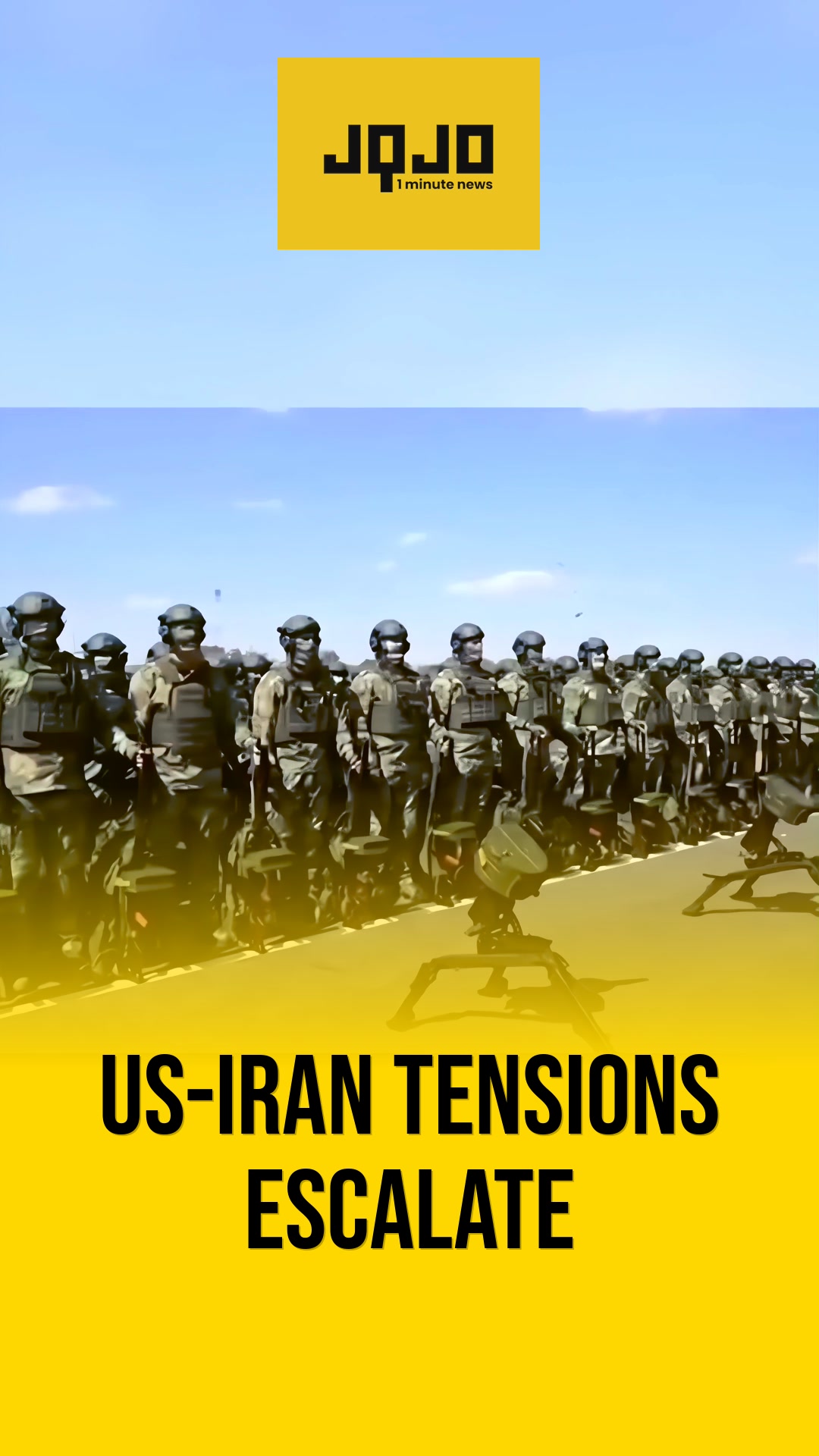
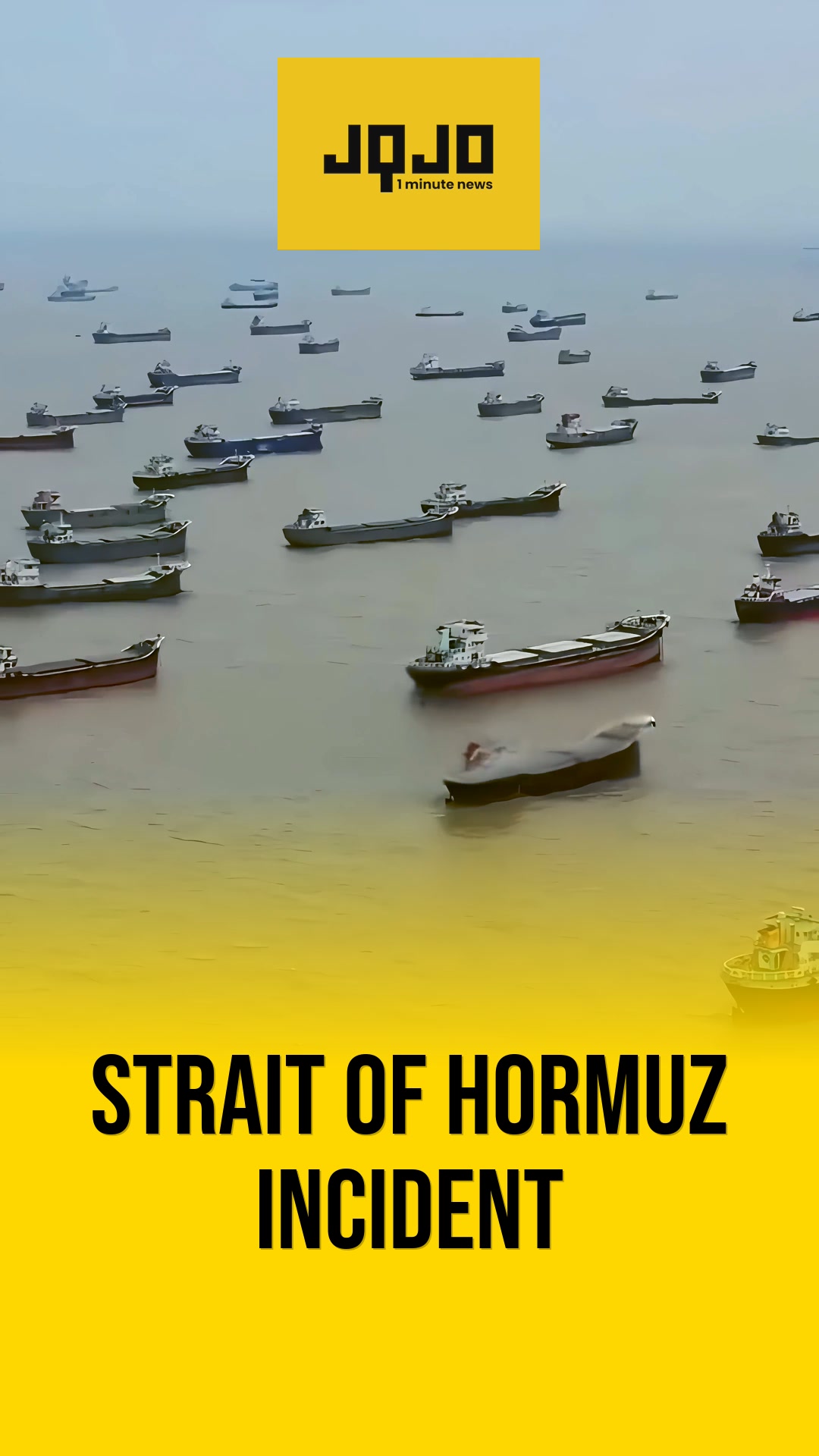
United States–Iran relations deteriorated further over the weekend as the two countries exchanged missile fire, with at least one commercial vessel struck in the Strait of Hormuz. Iran declared the vital waterway closed to shipping after the attacks, disrupting tanker movements and slowing traffic through one of the world’s most important oil transit routes to a trickle. A US official said American forces conducted a fresh round of strikes on Iranian targets on Sunday, the third such action in a week, underscoring the collapse of a previously fragile cease-fire between the two sides and fueling renewed fears over maritime security in the Gulf. Global oil markets reacted nervously to the escalation, with Brent crude prices swinging sharply as investors assessed the risk to supplies. Brent, which had previously retreated to a range of $72 to $75 a barrel after peaking at $188 in April when the conflict intensified, spiked as high as $78.19 before easing back toward $76.01 by Friday. The renewed conflict has disrupted shipping in the Gulf, raised concerns over global energy security, and added to inflationary pressures highlighted by the Federal Reserve, which warned that continued interference with Strait of Hormuz shipping is pushing up gasoline and industrial energy costs and feeding through the broader US industrial chain.
Prepared by Rachel Morgan and reviewed by editorial team.
Timeline of Events
- April Conflict escalation sends Brent to $188
- Last week US forces conduct repeated Iranian strikes
- Weekend Iran and US exchange missile fire
- Weekend Commercial vessel hit in Hormuz
- Sunday US launches new strikes on Iran
- Sunday Iran declares Strait of Hormuz closed
- This week Tanker traffic slows to a trickle
- Friday Brent crude eases near $76 level
Why This Matters to You
The Strait of Hormuz closure impacts oil prices. This means you might see a rise in gas and energy costs. It could also affect prices of goods that rely on oil for production or transport. Keep an eye on your bills.
The Bottom Line
Tensions between the US and Iran are disrupting a key oil route. This could lead to higher energy costs and increased inflation. It's a complex situation with global implications. Worth forwarding if you know someone who keeps a close eye on their budget.
Coverage of Story:
From Left
No left-leaning sources found for this story.
From Right
No right-leaning sources found for this story.




Comments