HEALTH
Ultra-Processed Foods: Protecting Kids with Strong Food Drives
▪
Read, Watch or Listen
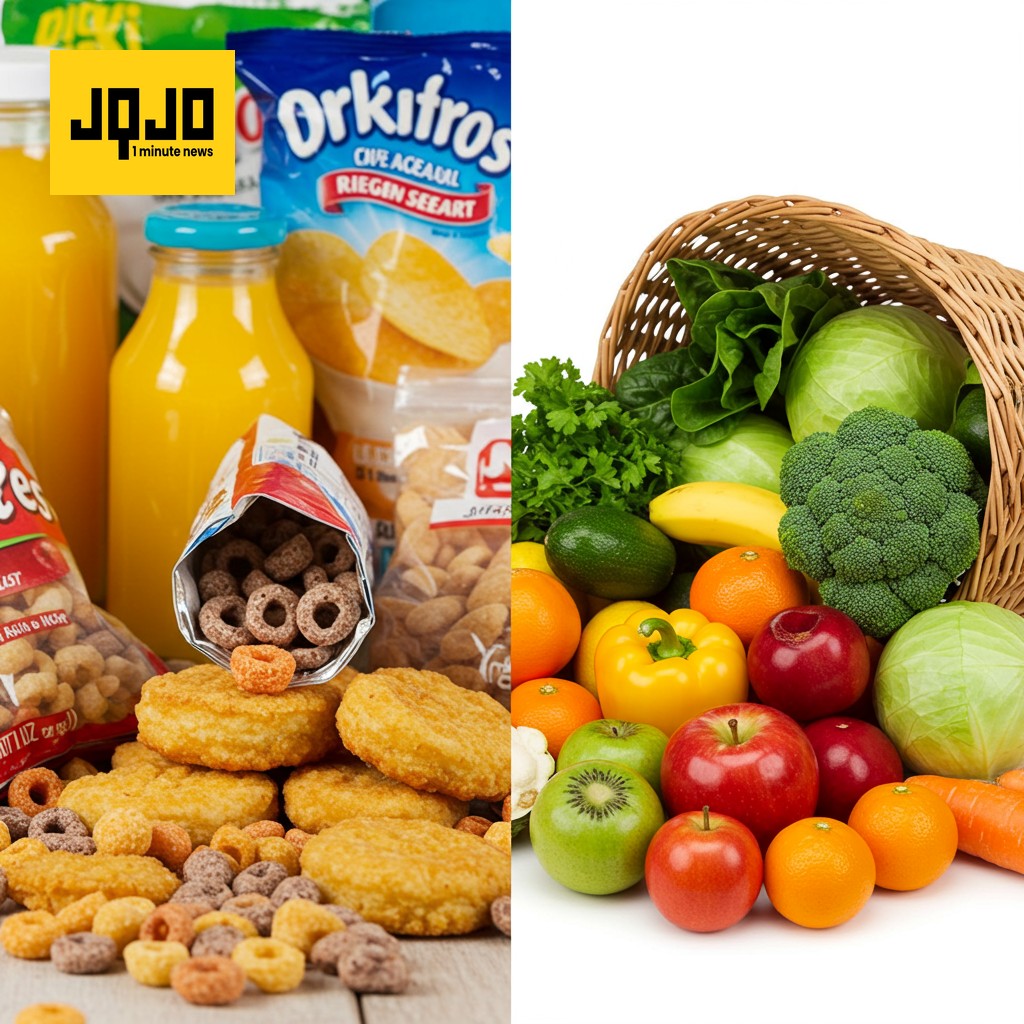
New research reveals that children's responses to ultra-processed foods vary significantly due to individual differences in food reward drive. Kids with a strong food reward drive struggle to regulate intake of these foods, leading to potential health issues. Experts advise limiting ultra-processed foods at home, focusing on whole foods, and allowing occasional treats in social settings to help children develop healthy eating habits. This approach is crucial given that US children obtain nearly 70% of their calories from ultra-processed foods, which are linked to various health problems.
Prepared by Olivia Bennett and reviewed by editorial team.






Comments