
Brain Implants Restore ALS Voices
Tap title to read story
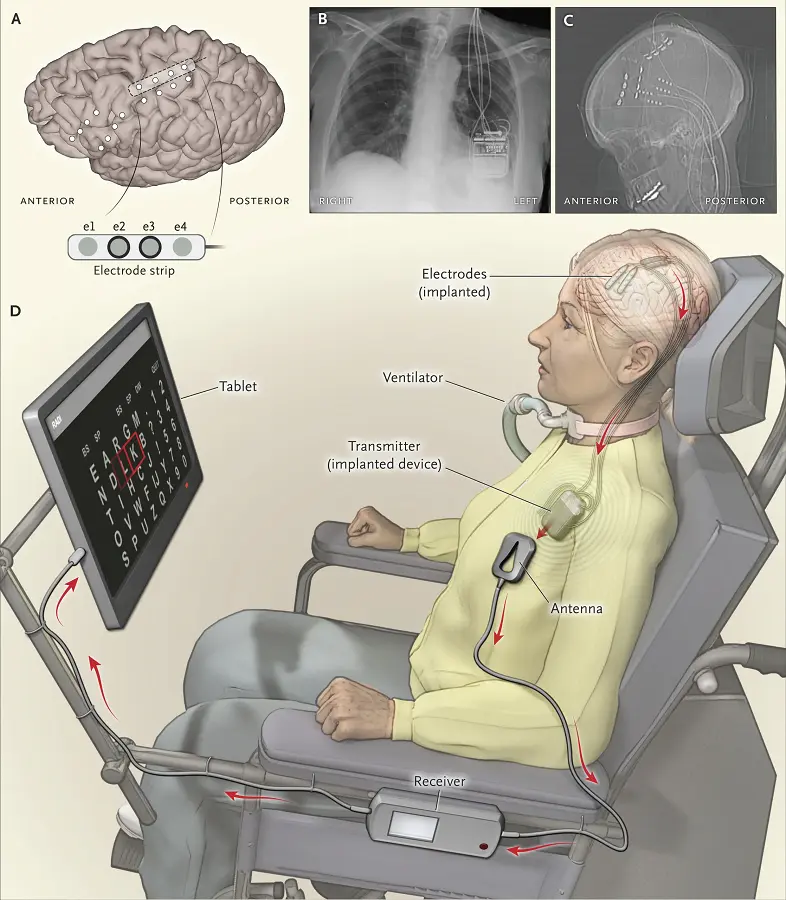
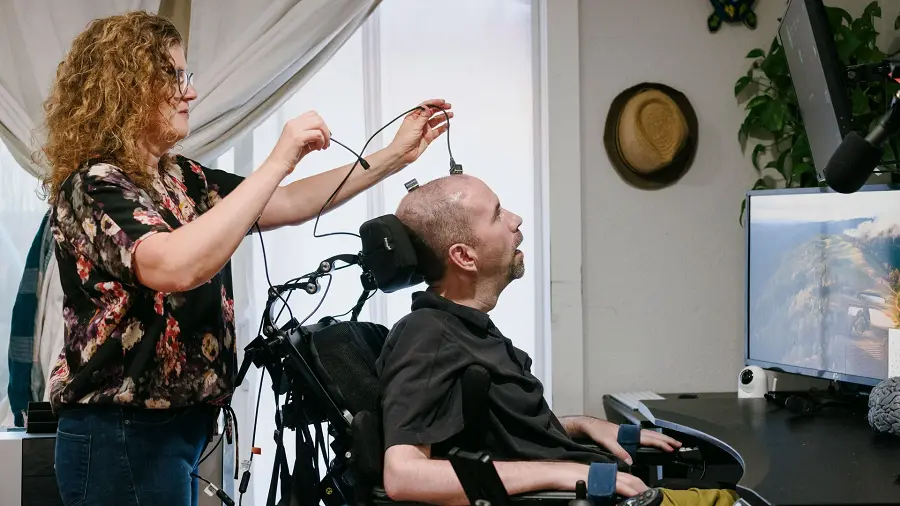
Brain implants decoded signals from a 46‑year‑old man with ALS, producing intelligible speech. A 58‑year‑old trained singer, whose voice had been gradually silenced by the disease, was able to sing a musical scale using the same system. Researchers at the University of California, Davis will present the work next week at the Society for Neuroscience conference in Washington. The system translates brain activity directly into speech, bypassing the previous step of converting signals to text. Biomedical engineer Cindy Chestek, who was not involved in the study, said the system is “good enough for real communication” and “good enough to sing.” The advance moves brain‑computer interfaces from proof‑of‑concept demonstrations toward everyday usefulness for patients who have lost speech control.
More context
Timeline
- On November 14 2026 NYT article demonstrates brain signals decoded into speech.
Why it matters
Immediate US impact: Immediate impact includes increased research funding and clinical trials. Possible long-term US impact: Long‑term impact may involve new medical device regulations. Most affected groups: Patients with ALS and other speech‑impairing conditions. Reader priority: High priority for medical and technology readers.
Coverage notes
Center: Coverage from brainfacts.org, kavlifoundation.org, france24.com frames this as a developing news story: Brain Implants Restore ALS Voices. Reporting emphasizes verified facts, named sources, and near-term impact for readers. Left: Left-leaning desks covering the same development typically emphasize public impact, institutional accountability, and who is most affected. Right: Right-leaning desks covering the same development typically emphasize practical outcomes, market or security stakes, and institutional response.
Primary report
The New York Times — Brain Implants Restore ALS Voices
Sources
- npr.org
- theguardian.com
- techpolicy.press
- nbcnews.com
- washingtonpost.com
- cbc.ca
- brainfacts.org
- kavlifoundation.org
- france24.com
- basenor.com
- sciencenotes.org
- nature.com
- visionscienceacademy.org
- wired.com
- businessinsider.com
- forbes.com
- sciencedirect.com
- newscientist.com
- bloomberg.com
- hopkinsmedicine.org
- today.ucsd.edu
- ieeexplore.ieee.org
- neuroba.com
- techslang.com
- time.com
- biox.stanford.edu
- engineering.columbia.edu
- ninds.nih.gov
- embs.org
- sciencenews.org
- scitechdaily.com
- iit.edu
- pcmag.com
- psychologytoday.com
- medicalxpress.com
- technologyreview.com
- theconversation.com
- sciencealert.com
- news.com.au
- smithsonianmag.com
- news.harvard.edu
- en.m.wikipedia.org
- simplypsychology.org
- med.stanford.edu
- news.mit.edu
- today.duke.edu
- businesswire.com
- the-scientist.com
- wsj.com
- nypost.com
- The New York Times
JQJO Editorial Desk · Human reviewed · AI assisted. Report a correction.