


Alaska Rejects Repeal of Ranked‑Choice
Tap title to read story
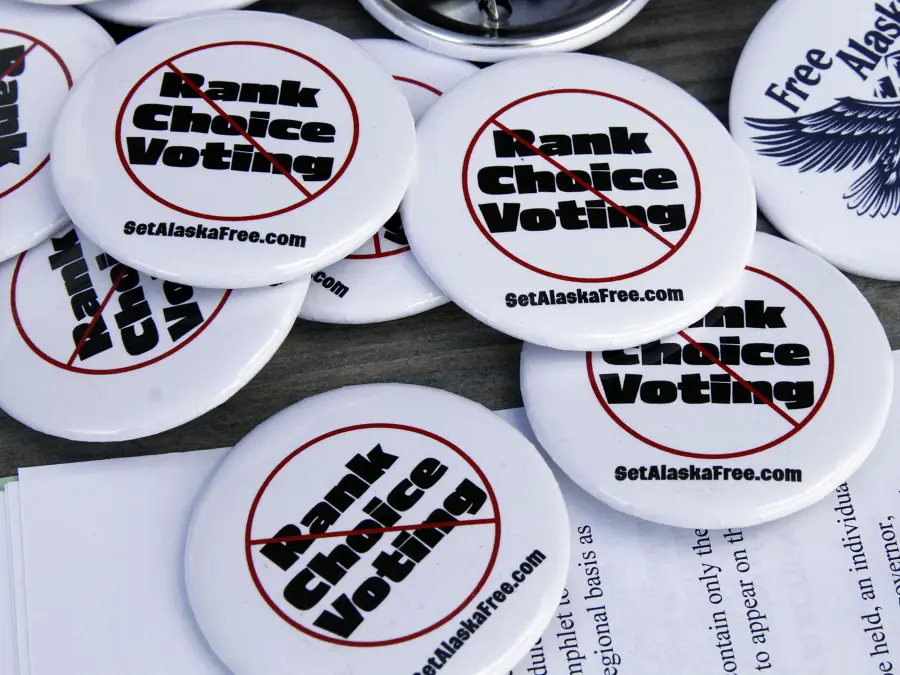
Alaskans voted down a measure to repeal the state’s nonpartisan primary and ranked‑choice voting system, according to an overnight race call by the Associated Press.
This is the second time voters have rejected a repeal effort; the 2024 attempt also failed narrowly.
The ballot measure would have eliminated the unique election system first approved in 2020.
The system allows voters of all political affiliations to choose from the same primary ballot, with the top four candidates advancing to the general election.
If no candidate receives a majority, ranked‑choice voting determines the winner.
Opponents say the system is confusing and can be manipulated, citing the 2024 Senate race involving two candidates named Dan Sullivan.
More context
Timeline
- On November 3 2020 Alaskans approve ranked choice voting measure.
- On November 8 2022 Ranked choice voting implemented in state elections.
- On November 14 2026 Current vote upholds ranked choice voting.
Why it matters
Immediate US impact: Alaska voters retain unique election system Possible long-term US impact: Continued use may influence national electoral reforms Most affected groups: Alaskan voters and candidates in statewide races Reader priority: Understanding Alaska's election system and its national implications
Coverage notes
Center: Coverage from alaskapublic.org, en.wikipedia.org, alaska.gov frames this as a developing news story: Alaska Rejects Repeal of Ranked‑Choice. Reporting emphasizes verified facts, named sources, and near-term impact for readers. Left: Left-leaning desks covering the same development typically emphasize public impact, institutional accountability, and who is most affected. Right: Right-leaning desks covering the same development typically emphasize practical outcomes, market or security stakes, and institutional response.
Primary report
NPR — Alaska Rejects Repeal of Ranked‑Choice
Sources
JQJO Editorial Desk · Human reviewed · AI assisted. Report a correction.