
Asteroid 1998 KY26's Unexplained Acceleration
Tap title to read story
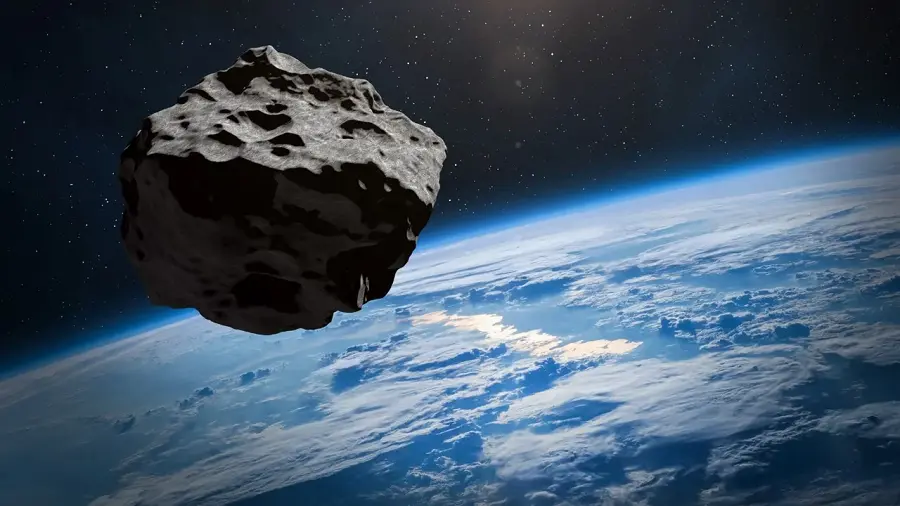
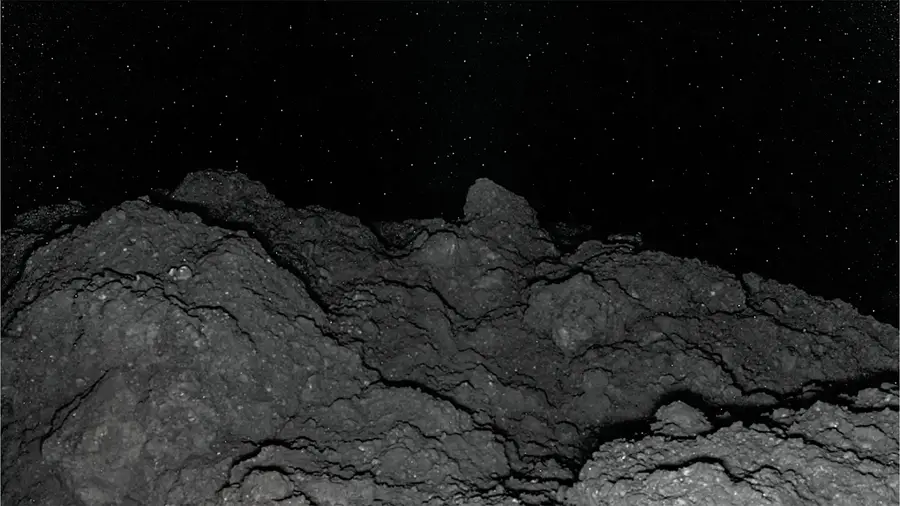
Near‑Earth asteroid 1998 KY26 shows nongravitational acceleration that gravity alone cannot explain.
The roughly 36‑foot‑wide object is believed to be a near‑Earth asteroid, but something other than gravity appears to be affecting its path.
Scientists refer to KY26's unusual movement as “nongravitational acceleration,” meaning something besides the pull of the sun and planets is affecting its path.
One theory has been that KY26 is a “dark comet” containing buried water that turns to gas and gives the object a push through space, even though astronomers have not detected the cloud or tail normally associated with a comet.
A new peer‑reviewed study by Georgia Institute of Technology researchers Korbin Hansen and Masatoshi Hirabayashi casts doubt on that explanation.
More context
Timeline
- On July 22 2026 Hayabusa2 approaches 1998 KY26, potential Soviet probe in orbit.
Why it matters
Immediate US impact: No immediate threat to Earth from 1998 KY26 for now Possible long-term US impact: Future studies may clarify space debris management for Most affected groups: Space agencies and scientific research communities globally involved Reader priority: Readers interested in space exploration and orbital dynamics
Coverage notes
Center: Coverage from BBC Sky at Night Magazine, Futurism, Avi Loeb – Medium frames this as a developing news story: Asteroid 1998 KY26's Unexplained Acceleration. Reporting emphasizes verified facts, named sources, and near-term impact for readers. Left: Left-leaning desks covering the same development typically emphasize public impact, institutional accountability, and who is most affected. Right: Right-leaning desks covering the same development typically emphasize practical outcomes, market or security stakes, and institutional response.
Primary report
Fox News — Asteroid 1998 KY26's Unexplained Acceleration
Sources
JQJO Editorial Desk · Human reviewed · AI assisted. Report a correction.