

Google’s XR Glasses Offer Privacy
Tap title to read story
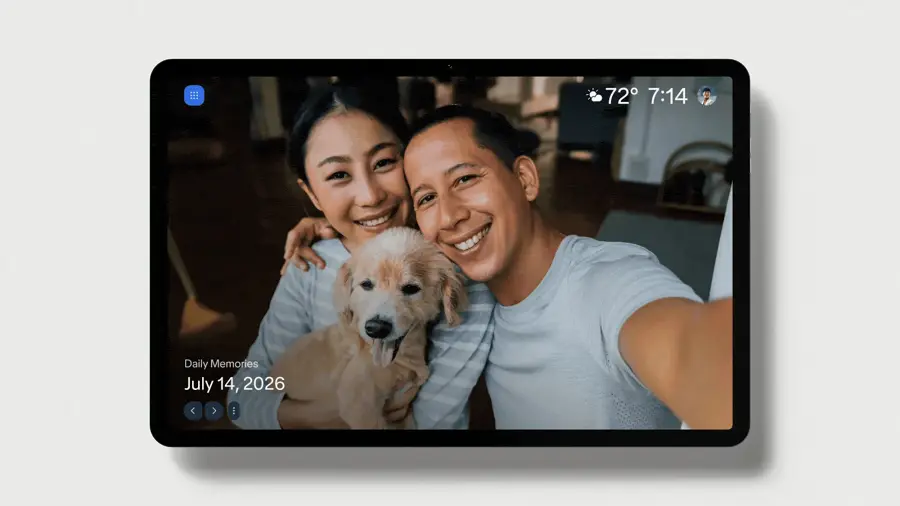
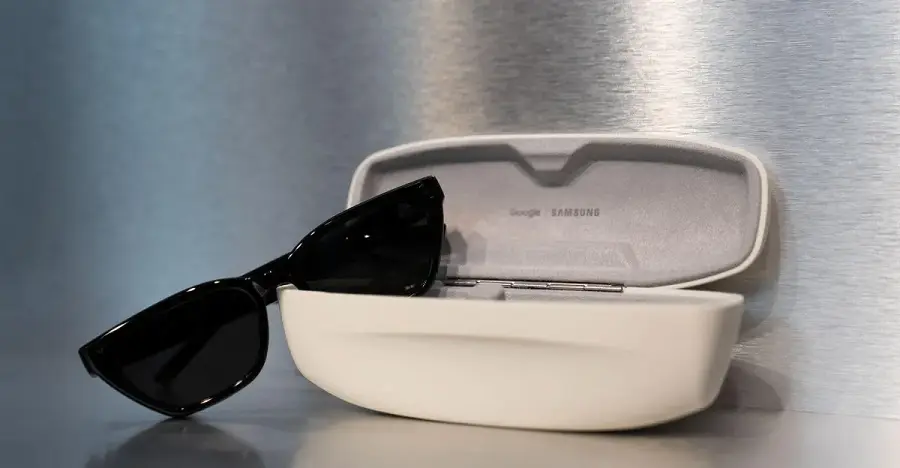
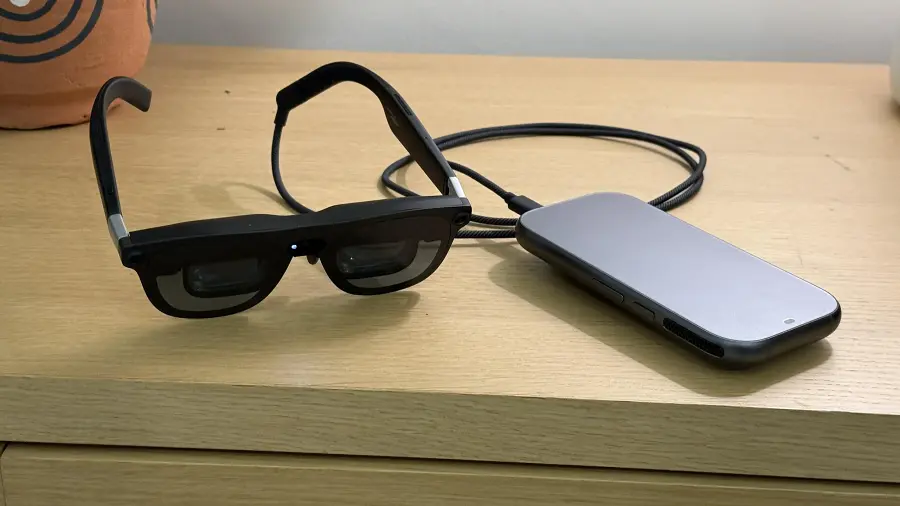
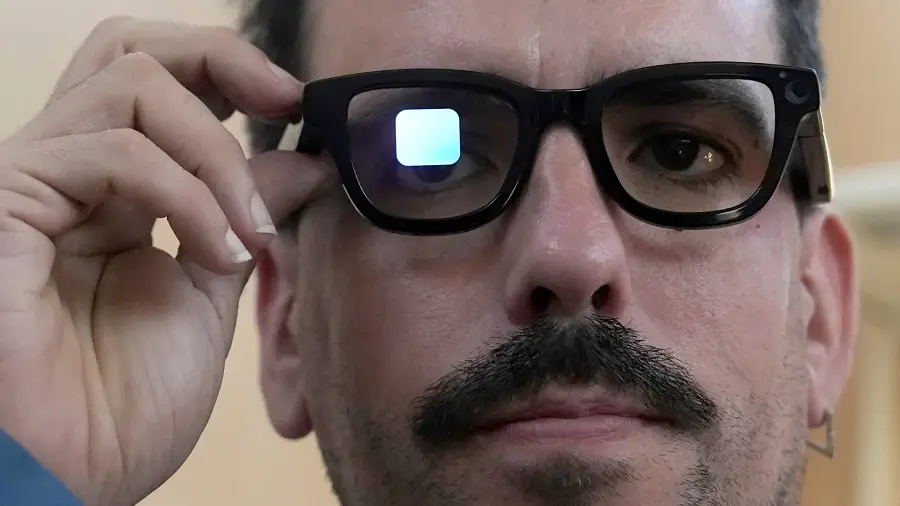
Google’s new Android XR smart glasses, released by Samsung in partnership with Warby Parker and Gentle Monster, feature the Gemini AI platform. The glasses demonstrate real‑time translation across multiple languages—French, Spanish, Korean, German, Thai, and Japanese—without requiring users to download specific language pairs. In a demo, the user sat in an art installation while Gemini translated spoken words from several languages into the user’s chosen language. The glasses also automatically redact faces from photos and videos to protect bystander privacy; Gemini confirmed it could not identify individuals such as the video director Owen Grove or editor‑in‑chief Nilay Patel. Warby Parker and Gentle Monster models include a privacy LED that lights when visual data is captured, and tampering disables the device.
More context
Timeline
- On December 9 2025 Google announces smart glasses launch.
Why it matters
Immediate US impact: Consumers gain advanced translation and privacy features today Possible long-term US impact: Technology firms may adopt stricter privacy standards industry-wide Most affected groups: Users of smart glasses and privacy advocates increasingly Reader priority: Understand new privacy safeguards and translation capabilities today
Coverage notes
Center: Coverage from CNET, Gizmodo, WIRED frames this as a developing news story: Google’s XR Glasses Offer Privacy. Reporting emphasizes verified facts, named sources, and near-term impact for readers. Left: Left-leaning desks covering the same development typically emphasize public impact, institutional accountability, and who is most affected. Right: Right-leaning desks covering the same development typically emphasize practical outcomes, market or security stakes, and institutional response.
Primary report
The Verge — Google’s XR Glasses Offer Privacy
Sources
JQJO Editorial Desk · Human reviewed · AI assisted. Report a correction.