Fossil Fuel Emissions Dip 0.4%
Tap title to read story
Bucking recent trends, fossil fuel emissions look to be down 0.4 percent.
A new analysis led by Corinne Le Quéré at the University of East Anglia estimates that fossil fuel emissions have fallen about 0.4 percent from last year.
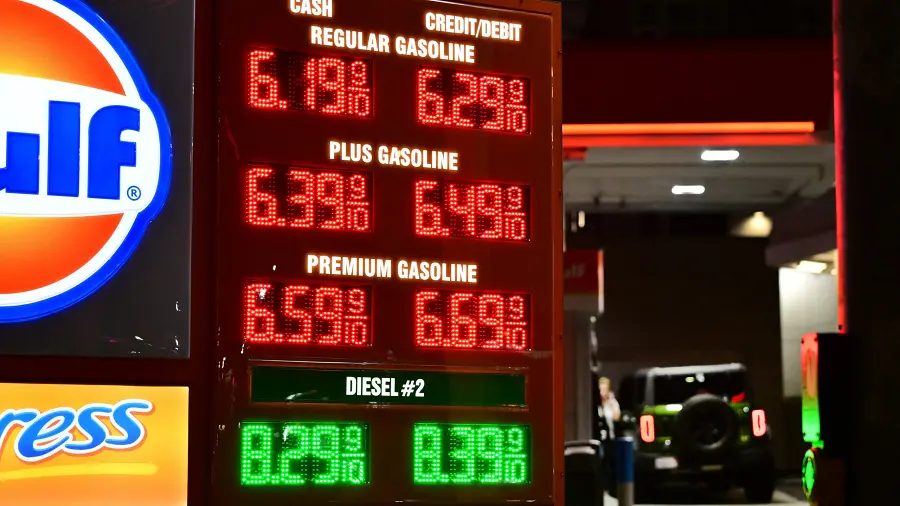
The researchers think it’s a short‑term dip driven by the war in Iran and its effect on oil prices.
Last year, fossil fuel emissions increased 1.2 percent, a bit above the 2019–2025 average of 0.8 percent per year.
This year’s decline featured a 1.9 percent drop in oil emissions, a smaller 0.3 percent drop in emissions from natural gas use, and a 0.6 percent increase in coal emissions.
Unlike the pandemic‑driven drop in 2020, this wasn’t driven by a widespread decrease in energy demand.
More context
Timeline
- On January 1 2019 Average fossil fuel emissions rose zero point eight percent.
- On January 1 2020 Pandemic caused sharp emissions decline.
- On January 1 2025 Emissions increased one point two percent.
- On January 1 2026 Emissions fell zero point four percent.
Why it matters
Immediate US impact: Reduced oil demand lowers fuel prices Possible long-term US impact: Increased renewable adoption Most affected groups: Oil producers and consumers Reader priority: Understand emissions trends
Coverage notes
Center: Coverage from carbonmonitor.org, energyindemand.com, nytimes.com frames this as a developing news story: Fossil Fuel Emissions Dip 0.4%. Reporting emphasizes verified facts, named sources, and near-term impact for readers. Left: Left-leaning desks covering the same development typically emphasize public impact, institutional accountability, and who is most affected. Right: Right-leaning desks covering the same development typically emphasize practical outcomes, market or security stakes, and institutional response.
Primary report
Ars Technica — Fossil Fuel Emissions Dip 0.4%
Sources
JQJO Editorial Desk · Human reviewed · AI assisted. Report a correction.