Sheep Burials Reveal Composting Potential
Tap title to read story
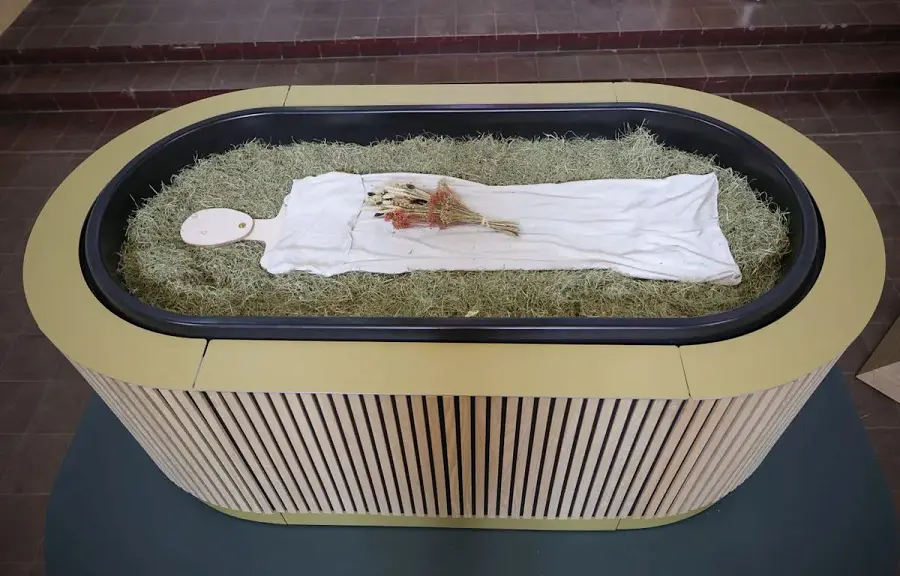
Scientists buried eight sheep in a French cemetery to study terramation, a form of human composting. Four sheep were placed directly into soil, while the other four were wrapped in shredded plant matter. After a year, the plant‑wrapped pits yielded only bones and stable humus, with no odors, indicating complete decomposition. The soil‑only pits showed the sheep had lost only a quarter of their mass, and many had begun saponification, producing a waxy residue known as grave wax. The experiment, led by entomologist Damien Charabidzé of the Université de Lille, demonstrates that favorable microbial environments can accelerate decomposition to about a month, offering an eco‑friendly alternative to traditional burials.
More context
Timeline
- On June 10 2026 Researchers uncover evidence of historical sheep burial in France.
Why it matters
Immediate US impact: Limited direct impact on U.S. burial practices Possible long-term US impact: Potential to influence future eco‑burial legislation Most affected groups: Environmental scientists, cemetery operators, policy makers Reader priority: High for readers interested in sustainable death practices
Coverage notes
Center: Coverage from Popular Mechanics, VICE, SciTechDaily frames this as a developing news story: Sheep Burials Reveal Composting Potential. Reporting emphasizes verified facts, named sources, and near-term impact for readers. Left: Left-leaning desks covering the same development typically emphasize public impact, institutional accountability, and who is most affected. Right: Right-leaning desks covering the same development typically emphasize practical outcomes, market or security stakes, and institutional response.
Primary report
Yahoo — Sheep Burials Reveal Composting Potential
Sources
JQJO Editorial Desk · Human reviewed · AI assisted. Report a correction.