Helicon Current Drive Achieves First‑Time
Tap title to read story
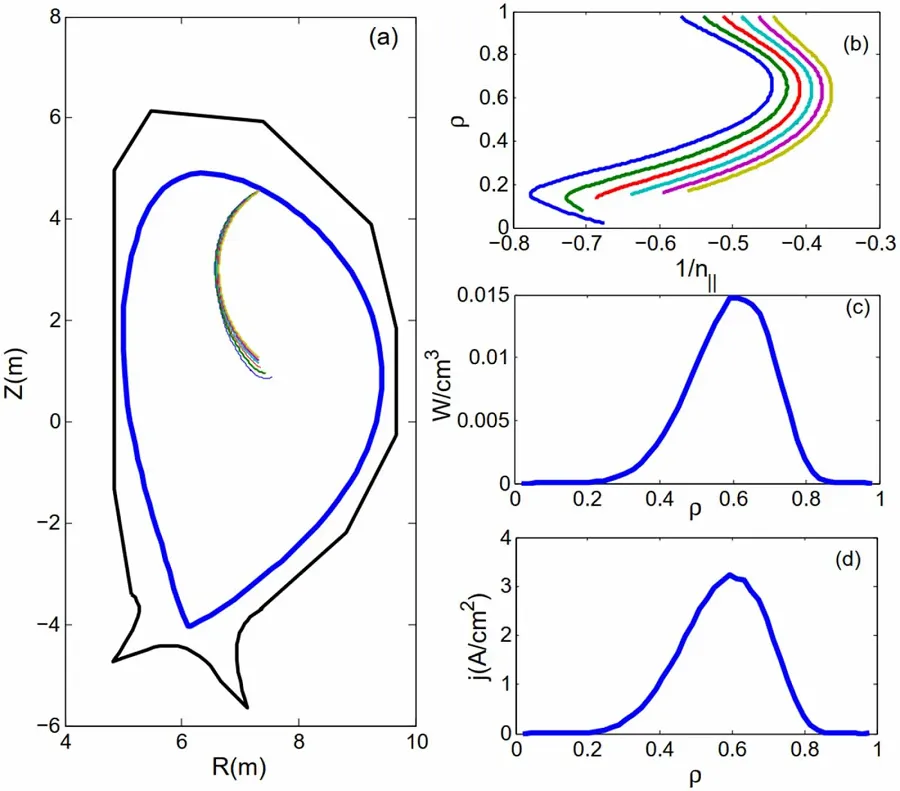
Physicists Bob Pinsker, Jeff Lestz, and Bart Van Compernolle of General Atomics reported the first successful experimental demonstration of helicon current drive at the DIII‑D National Fusion Facility, a technique first proposed in the 1980s. The method uses a specific type of high‑frequency radio wave to drive the hot plasma of a fusion reactor, producing an internal electric current that stabilizes the reaction. Earlier equipment could not deliver on the theory, which is why the idea was shelved until now. Major strides in reactor equipment enabled the scientists to test and successfully demonstrate helicon current drive for the first time, as described in a paper published in Physical Review Letters. The technique may allow tokamak reactors to run nonstop, overcoming the intrinsic pulse‑length limits of conventional transformer‑driven tokamaks.
More context
Timeline
- 2026-11-09 — Helicon Current Drive Achieves First‑Time
Why it matters
Immediate US impact: Potentially reduces operational downtime for fusion reactors Possible long-term US impact: Could accelerate commercial fusion power development Most affected groups: Fusion research scientists and energy sector investors Reader priority: High interest for science and technology readers
Coverage notes
Center: Coverage from aol.com, newsbreak.com, famousscientists.org frames this as a developing news story: Helicon Current Drive Achieves First‑Time. Reporting emphasizes verified facts, named sources, and near-term impact for readers. Left: Left-leaning desks covering the same development typically emphasize public impact, institutional accountability, and who is most affected. Right: Right-leaning desks covering the same development typically emphasize practical outcomes, market or security stakes, and institutional response.
Primary report
Gizmodo — Helicon Current Drive Achieves First‑Time
Sources
- arstechnica.com
- geekwire.com
- inverse.com
- theatlantic.com
- aol.com
- newsbreak.com
- famousscientists.org
- sciencealert.com
- geniuses.club
- britannica.com
- didyouknowscience.com
- onlinephysicstutors.co.uk
- physicstribune.com
- famousphysicists.org
- scientificamerican.com
- realclearscience.com
- curiousmatrix.com
- totallyhistory.com
- biolecta.com
- nobelprizes.com
- businessinsider.com
- thefamouspeople.com
- sciencedaily.com
- livescience.com
- vedantu.com
- iliketodabble.com
- theverge.com
- galileo-unbound.blog
- ranker.com
- scijournal.org
- zmescience.com
- simple.wikipedia.org
- consensus.app
- phys.org
- rankred.com
- interestingengineering.com
- adducation.info
- careers360.com
- ans.org
- deekshalearning.com
- apnews.com
- smithsonianmag.com
- biography.com
- bls.gov
- examples.com
- popularmechanics.com
- discovermagazine.com
- focusopenscience.org
- nationalcareers.service.gov.uk
- quantamagazine.org
- Gizmodo
JQJO Editorial Desk · Human reviewed · AI assisted. Report a correction.