Thwaites Glacier Melting Faster Than Expected
PUBLISHED Oct 15, 2026, 7:07 AM ET
Read, Watch or Listen
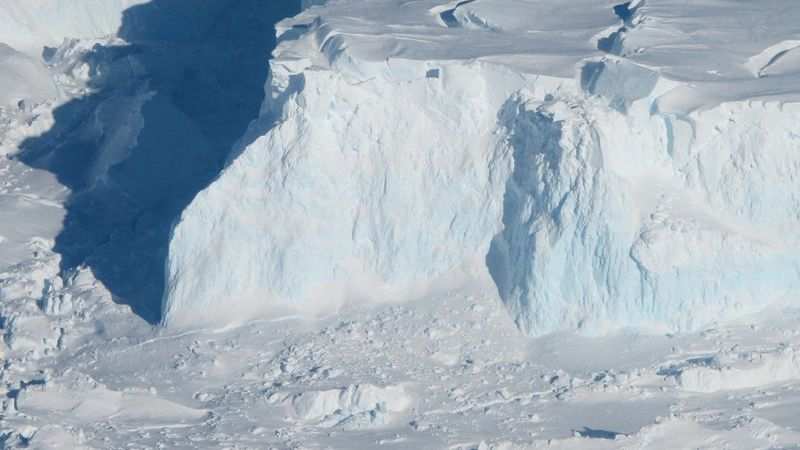
The planet’s widest glacier, Thwaites, nicknamed the Doomsday Glacier, is retreating more aggressively than earlier models predicted. New research by glaciologists from the University of California, Irvine and NASA’s Jet Propulsion Laboratory shows the glacier could add up to one point two inches of sea level rise by the year two thousand one hundred, doubling previous estimates. The glacier’s grounding line behaves as a wide grounding zone, where warm ocean water intrudes and accelerates melting through tidal pumping. As the ice retreats, it may unpin from the Mouginot Ridge, potentially speeding its collapse. If Thwaites were to collapse, it could raise global sea levels by more than two feet, threatening coastal communities from Miami to Manila.
By Elena V. | JQJO News
Timeline of Events
- On November 3 2024 Phys.org reports Thwaites Glacier melting faster than expected.
- On May 28 2026 Livescience notes Thwaites Glacier poised to lose its ice shelf.
News Intelligence
- Immediate US impact: Coastal cities face increased flooding risk
- Possible long-term US impact: Potential displacement of millions in low‑lying areas
- Most affected groups: Coastal residents and small island nations
- Reader priority: Understand future sea level projections
Coverage of Story:
From Left
No left-leaning sources found for this story.
From Right
No right-leaning sources found for this story.




Comments