Penguin Poop Accelerates Antarctic Greening
PUBLISHED Oct 13, 2026, 4:02 PM ET
Read, Watch or Listen
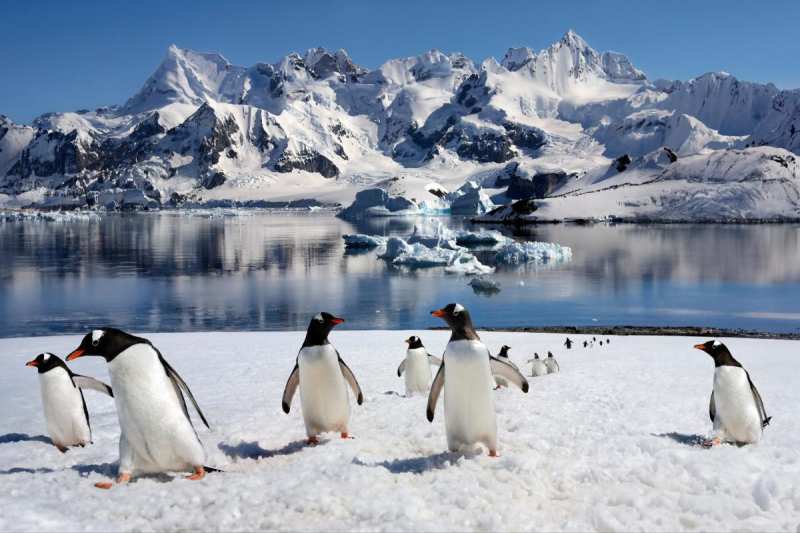
Scientists have linked penguin guano to rapid snow‑melt in Antarctica. The study, published in the Journal of Geophysical Research: Biogeosciences, shows that droppings fertilize snow algae, turning white ice green and absorbing forty percent more solar energy. This darker surface melts faster, creating a feedback loop that may hasten ice‑free coastlines. Researchers noted that the largest penguin colony on Zavodovski Island, home to over one million chinstrap penguins, saw its numbers cut in half last year due to warming seas. While some Finnish studies suggest penguin volatiles could form clouds that block sunlight, the overall impact on climate remains uncertain. The discovery marks the first direct evidence that wildlife can influence the cryosphere. As penguins migrate further south, the greening effect could spread, underscoring the complex interplay between biology and climate change.
By Marcus E. | JQJO News
Timeline of Events
- 2023 — Finnish research notes penguin volatiles may form cloud‑blocking aerosols
- 2024 — Satellite imagery shows 22% decline in emperor penguin populations
- 2025 — Zavodovski Island penguin colony numbers cut by half
- 2026 — New study links penguin guano to Antarctic snow algae blooms
News Intelligence
- Immediate US impact: Potential rise in global sea levels
- Possible long-term US impact: Increased coastal erosion risk
- Most affected groups: Coastal communities
- Reader priority: Understand climate feedback loops
Coverage of Story:
From Left
No left-leaning sources found for this story.
From Right
No right-leaning sources found for this story.



Comments