Deep Sea Rocks Ignite After Surface Exposure
PUBLISHED Oct 13, 2026, 7:46 PM ET
Read, Watch or Listen
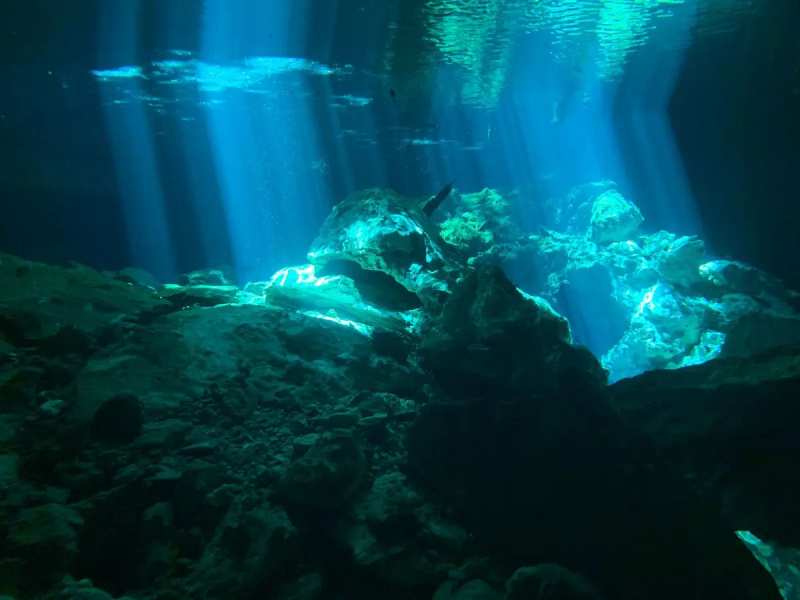
In 2022, scientists collected metal‑sulfide rocks from the deep seafloor during a U.S. Geological Survey investigation of the Escanaba Trough. The samples were crushed and freeze‑dried in a laboratory, where two exhibited spontaneous combustion upon contact with air, reaching temperatures above one hundred degrees Celsius. The unexpected oxidation reaction highlights a potential hazard for deep‑sea mining operations. Researchers are now examining how these minerals react when exposed to atmospheric conditions, aiming to assess risks for future extraction projects and environmental safety. The incident underscores the need for stringent safety protocols in subsea resource extraction and raises questions about the broader ecological impacts of mining the ocean’s abyssal plains.
By Lauren B. | JQJO News
Timeline of Events
- 2022 — Scientists collected metal‑sulfide rocks from Escanaba Trough
- 2022 — Two samples spontaneously combusted upon air exposure
- 2022 — Researchers began assessing safety protocols for deep‑sea mining
News Intelligence
- Immediate US impact: Potential safety risks for subsea mining operations
- Possible long-term US impact: Increased regulatory scrutiny of ocean resource extraction
- Most affected groups: Deep‑sea mining contractors and environmental scientists
- Reader priority: Understand new hazards in ocean mining
Coverage of Story:
From Left
No left-leaning sources found for this story.
From Right
No right-leaning sources found for this story.





Comments