A heart disease warning could soon show up in your mammogram results
Tap title to read story
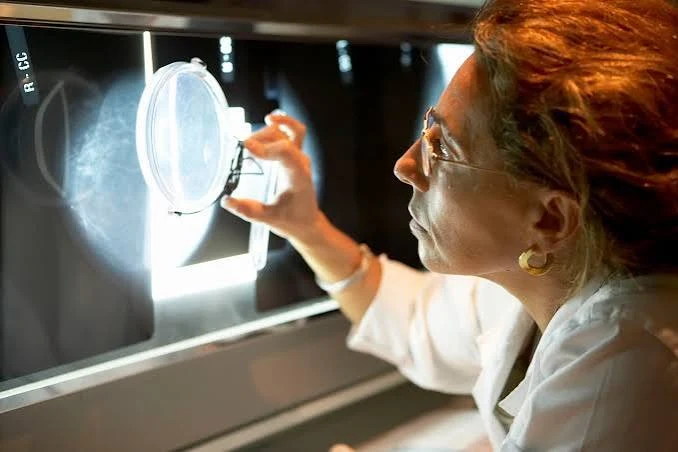
Routine mammograms could soon play a dual role in women's health by identifying early signs of heart disease alongside breast cancer screening. Medical researchers and radiologists are advocating for the systematic reporting of breast arterial calcification (BAC), a buildup of calcium deposits in the breast's blood vessels visible on standard digital mammograms. Because arterial calcification in breast tissue closely mirrors plaque buildup and arterial stiffness in coronary arteries, detecting BAC serves as an early indicator of cardiovascular risk. Heart disease remains the leading cause of death among American women, yet it often goes undiagnosed until severe events occur. By utilizing existing screening infrastructure, healthcare providers can identify high-risk patients without adding radiation exposure, extra appointments, or significant imaging costs. Integrating automated BAC reporting into standard radiology workflows allows primary care physicians and cardiologists to recommend timely lifestyle changes, lipid therapies, and comprehensive cardiovascular evaluations.
More context
Timeline
- On 2016-03-01 Studies confirm strong association between BAC and coronary risk.
- On 2020-07-15 Radiologists propose standardized scoring frameworks for BAC reporting.
- On 2021-11-10 Clinical trials evaluate AI algorithms for automated BAC detection.
- On 2022-03-24 Major cardiology journals advocate opportunistic screening via digital mammograms.
- On 2023-09-08 Medical panels urge integration of BAC findings into records.
- On 2024-02-14 Heart health campaigns highlight gender disparities in cardiovascular diagnostics.
- On 2024-10-01 Mammography centers pilot standardized BAC reporting protocols for patients.
- On 2025-05-18 Professional societies update guidelines regarding incidental vascular calcification reporting.
- On 2026-02-01 Research demonstrates long-term preventive care benefits from BAC identification.
- On 2026-10-07 Health systems expand automated BAC notification in standard results.
- Future medical guidelines are expected to establish standardized national reporting criteria for breast arterial calcification in preventive cardiology care.
Why it matters
Immediate US impact: Expands early cardiovascular risk detection through existing routine mammography appointments. Possible long-term US impact: Lowers female heart attack rates through early proactive medical interventions. Most affected groups: Female patients over forty, radiologists, cardiologists, and primary care physicians. Reader priority: Discuss breast arterial calcification findings with primary healthcare providers promptly.
Coverage notes
Left: Highlights opportunistic screening reducing healthcare disparities and improving preventive access. Center: Focuses on clinical study results, radiological guidelines, and diagnostic accuracy. Right: Emphasizes cost-effective healthcare solutions utilizing existing technology without additional spending.
Primary report
Reporting on mammograms detecting breast arterial calcification for heart risk on 2026-10-07.
Sources
- Washington Post
- CNN Health
- NBC News
- The New York Times
- NPR Health
- Boston Globe
- Los Angeles Times
- Philadelphia Inquirer
- Houston Chronicle
- San Francisco Chronicle
- Miami Herald
- Detroit Free Press
- Baltimore Sun
- Sacramento Bee
- Orlando Sentinel
- Raleigh News & Observer
- Salt Lake Tribune
- Hartford Courant
- Radiological Society of North America
- American College of Cardiology
- News-Medical
- EurekAlert!
- American Heart Association
- Reuters Health
- Associated Press
- The Hill
- Wall Street Journal
- USA Today Health
- Mayo Clinic News Network
- Chicago Tribune
- Seattle Times
- Star Tribune
- Dallas Morning News
- Atlanta Journal-Constitution
- Denver Post
- Arizona Republic
- Tampa Bay Times
- Cleveland Plain Dealer
- Milwaukee Journal Sentinel
- Kansas City Star
- Pittsburgh Post-Gazette
- Indianapolis Star
- Columbus Dispatch
- Cincinnati Enquirer
- Omaha World-Herald
- Richmond Times-Dispatch
- Des Moines Register
- The Tennessean
- Fox News Health
- Washington Times
- New York Post Health
- Las Vegas Review-Journal
JQJO Editorial Desk · Human reviewed · AI assisted. Report a correction.