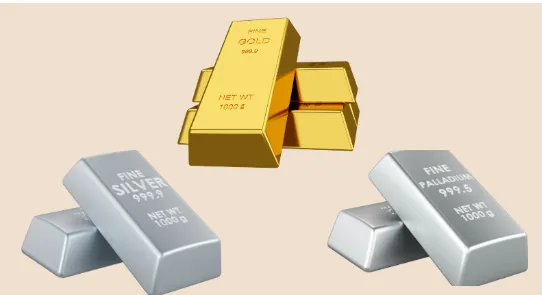
Stronger Greenback Dominates Markets as Precious Metals Edge Lower
Tap title to read story
Global financial markets experienced heightened volatility as the U.S. dollar index surged to multi-week highs, driven by stronger-than-expected economic indicators and rising Treasury yields. This dominant greenback performance exerted heavy downward pressure across the commodities complex, causing gold, silver, and other precious metals to edge lower as investors reassessed Federal Reserve rate-cut trajectories. Currency traders flocked to dollar-denominated assets, while bullion holders faced profit-taking amid shifting macro sentiment. Analysts note that persistent inflation resilience continues to underpin the dollar's strength, creating a challenging environment for non-yielding safe-haven assets.
More context
Timeline
- On January 15, 2026, U.S. economic data revealed stronger employment growth than anticipated by Wall Street analysts.
- On February 10, 2026, Federal Reserve officials signaled a cautious approach toward upcoming monetary policy adjustments.
- On March 05, 2026, Treasury yields climbed steadily across maturities, boosting the attractiveness of dollar-backed securities.
- On March 18, 2026, The U.S. Dollar Index breached key technical resistance levels amid aggressive greenback buying.
- On March 22, 2026, Spot gold prices dipped below major support thresholds as dollar dominance intensified.
- On March 25, 2026, Precious metals markets saw accelerated liquidation from institutional algorithmic traders.
- On March 28, 2026, Silver and platinum followed gold lower, reflecting broader macro commodity softness.
- On April 02, 2026, Foreign exchange markets adjusted positions ahead of critical non-farm payroll reports.
- On April 04, 2026, Analysts highlighted the widening divergence between currency strength and commodity valuations.
- On April 06, 2026, Markets consolidated around prevailing trends with the greenback maintaining its firm upper hand.
Why it matters
Immediate US impact: U.S. currency strength increases purchasing power for imported goods while pressuring domestic export competitiveness and commodity pricing. Possible long-term US impact: Persistent dollar dominance alters global trade invoicing structures and shapes long-term capital allocation strategies. Most affected groups: Forex traders, commodity investors, multinational corporations, and central bank policymakers. Reader Prioritization: Focus on official Federal Reserve statements, Treasury yield curves, and major currency exchange rate reports.
Coverage notes
Left: Focuses on economic disparities, worker impacts, and systemic vulnerabilities caused by high interest rates. Center: Emphasizes technical market data, foreign exchange movements, and central bank policy mechanics. Right: Highlights capital efficiency, free market currency dynamics, and the benefits of a strong national currency.
Primary report
U.S. dollar surge drives down precious metals prices across global trading desks.
Sources
- Bloomberg
- Reuters
- Wall Street Journal
- Financial Times
- CNBC
- MarketWatch
- Yahoo Finance
- Associated Press
- Barron's
- Investing.com
- Kitco News
- FXStreet
- DailyFX
- CNN Business
- BBC News
- The Economist
- Forbes
- Time
- Newsweek
- The Hill
- Axios
- Politico
- NPR
- NBC News
- Los Angeles Times
- Washington Post
- New York Times
- USA Today
- Chicago Tribune
- Fox Business
- Bold News Digital
JQJO Editorial Desk · Human reviewed · AI assisted. Report a correction.